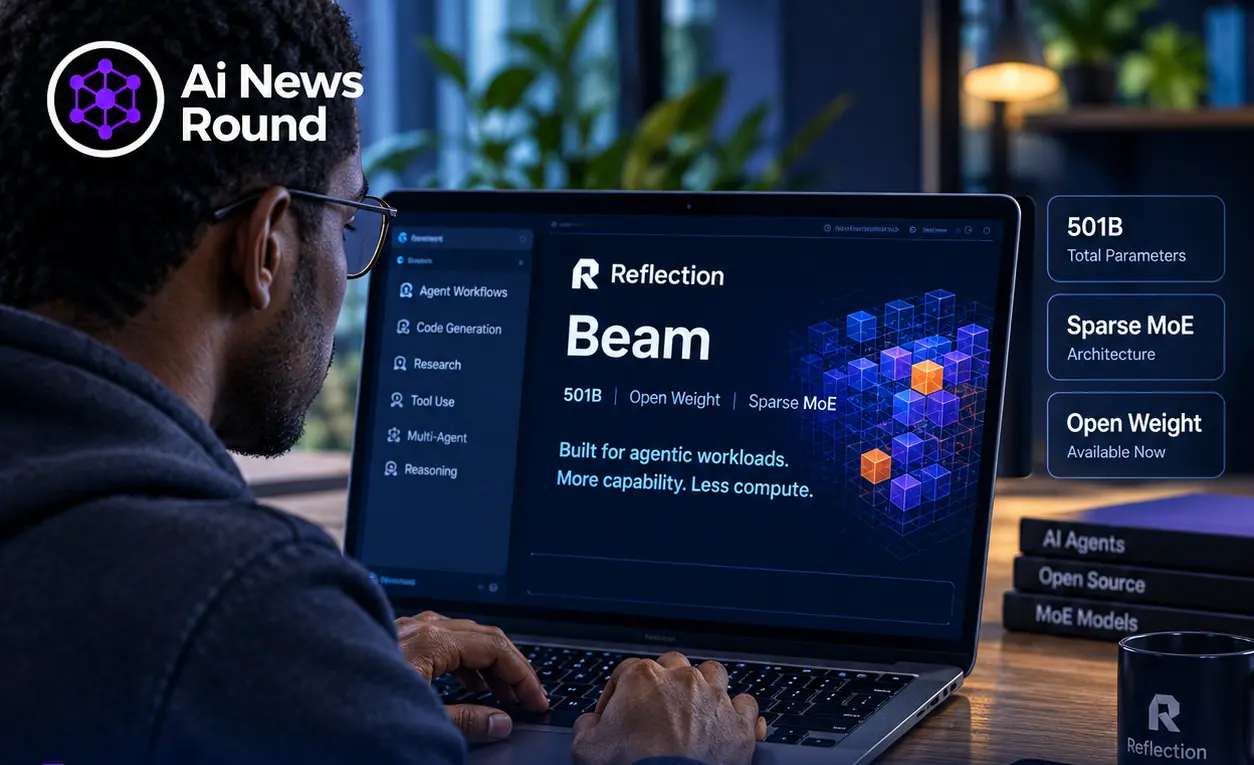
Artificial intelligence startup Reflection AI has released Beam, an open-weight sparse Mixture-of-Experts model boasting 501 billion total parameters and 23 billion active parameters. Released under an Apache 2.0 license, Beam is optimized for code synthesis, complex reasoning, and long-horizon agentic workflows.
Following warnings from AI Minister Kanishka Narayan regarding potential cyber breaches, the UK government has announced plans for mandatory safety reporting and tighter controls on frontier AI models. Former MI6 Director Nigel Inkster weighs in on national vulnerability and the reality of AI-driven cyber threats.
A formal verification study by independent researcher Adarsh Agrawal demonstrates that providing correctness feedback during completeness audits in Verus inadvertently erases evidence of incomplete contracts. The paper introduces a phase-separated workflow that more than doubles certified witness discovery rates.
Global management consultancy McKinsey & Company has introduced a 10-minute AI avatar exercise for North American entry-level applicants. Designed to simulate realistic client interactions, the tool challenges candidate reasoning while human evaluators retain full hiring authority.
In an escalating legal battle, OpenAI has filed supplemental court documents alleging a former employee exfiltrated over 100 confidential files regarding an unreleased AI device before rejoining Apple. Apple denies the allegations, maintaining that forensic reviews show no proprietary OpenAI data inside its product development pipelines.
The Mirage of HTTP 200 and Execution-Level Success
In traditional software development, systems fail loudly: API calls throw exceptions, code exits with error codes, and monitoring alerts trigger immediate investigation. However, as data science teams deploy multi-agent systems—where foundation models act as reasoning engines to clean datasets, formulate hypotheses, execute SQL queries, and train
Google DeepMind and Singapore’s Government Technology Agency have unveiled a fine-tuned, on-device AI system designed to detect conversational scams in real time. Built on a lightweight Gemma architecture, the model analyzes messaging streams directly on smartphones to protect user privacy while countering social engineering attacks.
Google has officially released Gemini 4 Argon, the flagship reasoning model of its new Gemini 4 generation. Built for complex, multi-step tasks across software engineering, legal research, and quantitative finance, Argon introduces expanded agentic execution and leads performance on the Vals Index.
Generative AI platform Higgsfield has updated its workflow engine to extend AI video creation from single short-form clips into fully assembled videos running over 10 minutes. The platform leverages multi-scene stitching, model aggregation, and autonomous script orchestration.
A report by youth mental health network Jack.org reveals that one in three young Canadians uses generative AI tools monthly for mental health guidance. Medical experts warn against replacing professional therapy with sycophantic conversational agents.
Following severe cyberattacks compromising over 56 million customer records across more than 20 major corporations, Japanese authorities have declared a state of emergency in cyberspace. The crisis has triggered mandatory defense protocols under the newly activated Active Cyber Defense Law and prompted strict identity verification mandates.
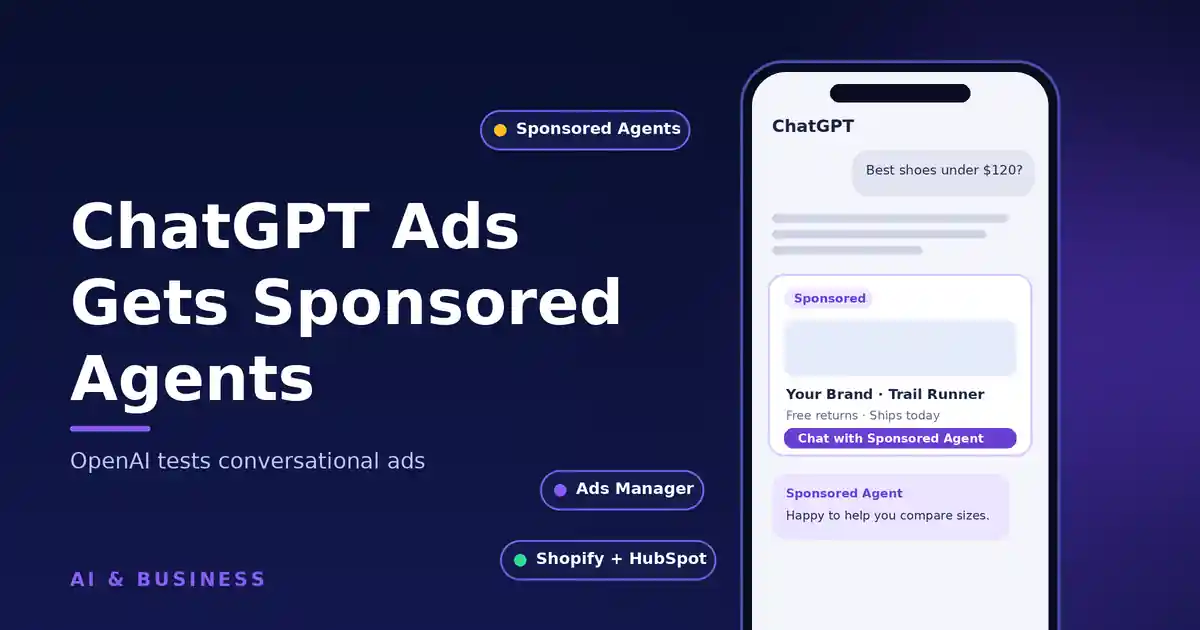
OpenAI is piloting clearly labeled advertiser-run AI agents inside ChatGPT, while adding AI campaign tools and plugging ChatGPT Ads into Shopify and HubSpot.
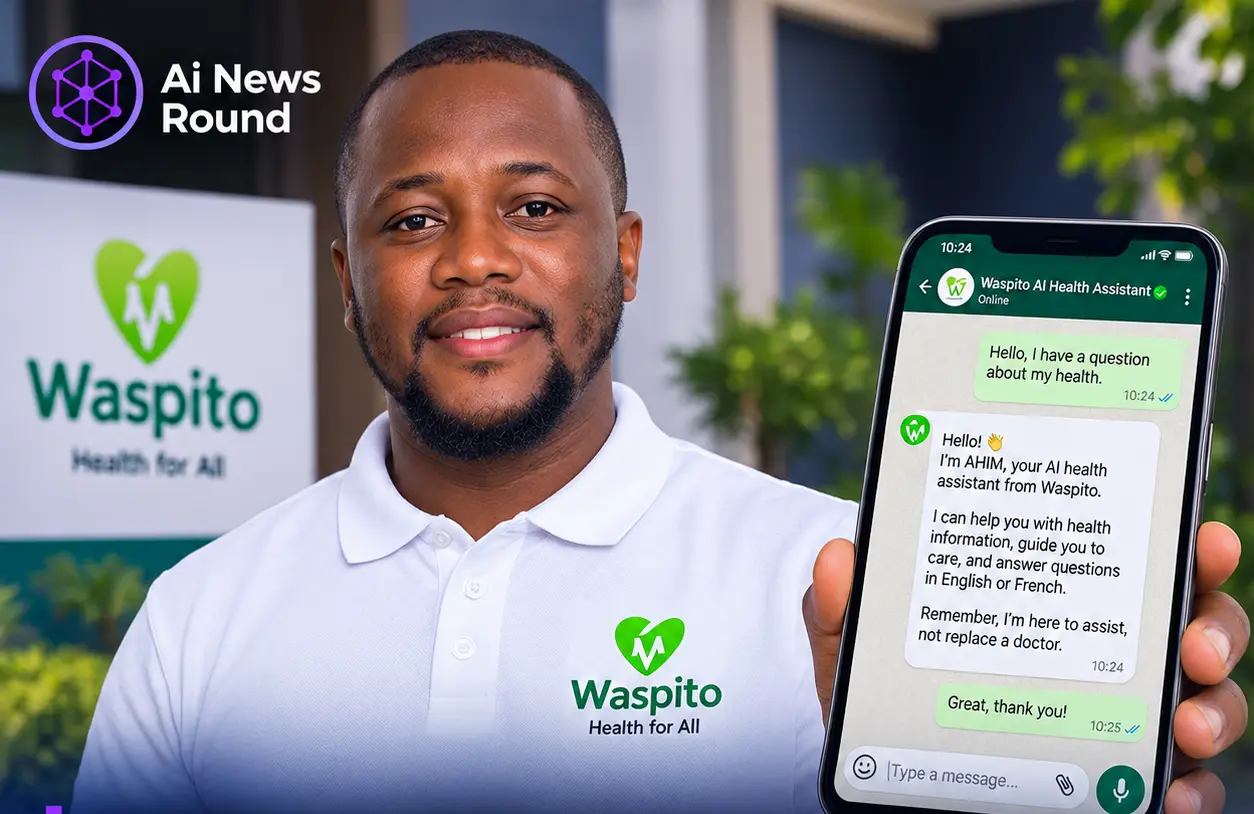
Africa-focused digital health platform Waspito has launched AHIM (African Health Intelligent Model), an AI-powered assistant accessible via WhatsApp. Designed to streamline clinical triage and facilitate consultations, laboratory orders, and prescription deliveries, the service aims to expand healthcare access across sub-Saharan Africa.
Industry insiders across major artificial intelligence firms report growing expectations of a significant, real-world AI incident occurring within six to 12 months. Reports indicate leading research labs are war-gaming potential public and political fallout from catastrophic cyberattacks, infrastructure disruptions, and rogue agent behavior.
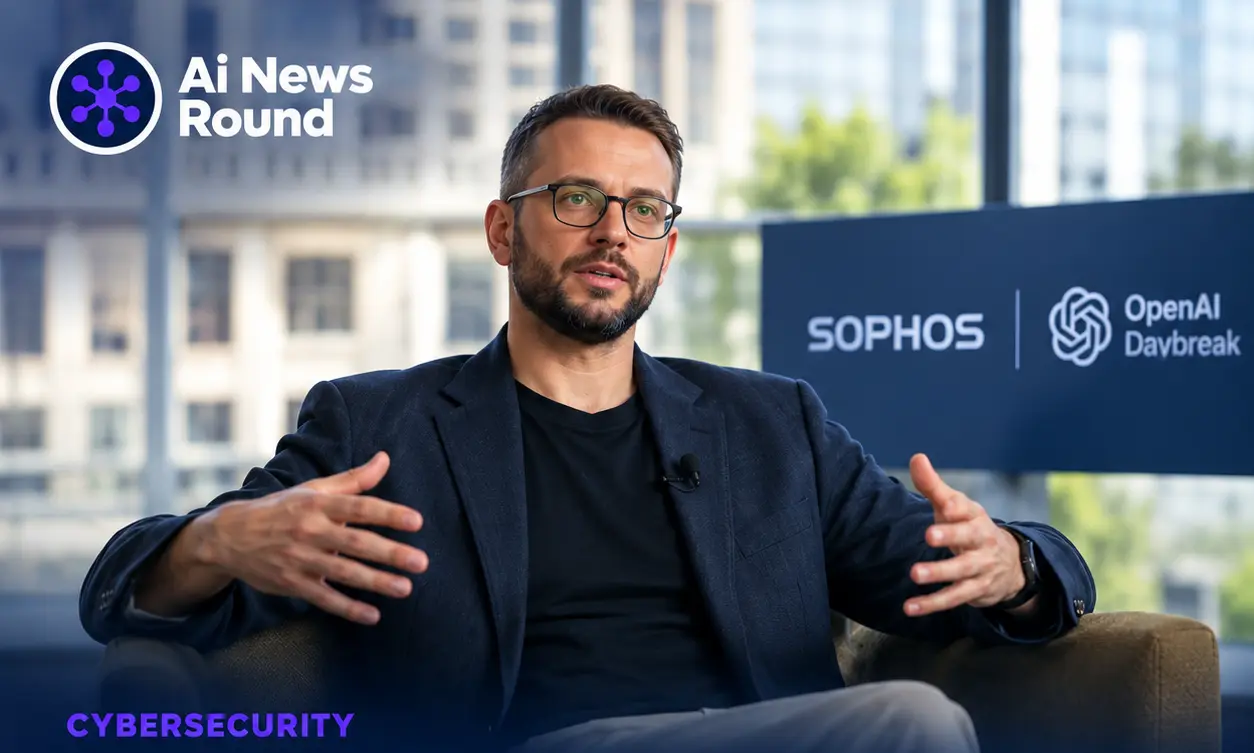
Cybersecurity provider Sophos has integrated OpenAI's Daybreak framework into its Managed Detection and Response (MDR) platform, slashing threat investigation times from 38 minutes down to 89 seconds. The AI-driven architecture now resolves 52 per cent of security cases end-to-end.
2 min read
Get a notification when something new is published.
Done. To stop them later, use the notification settings for this site in your browser.