Exfiltration Allegations in Federal Trade Secret Litigation
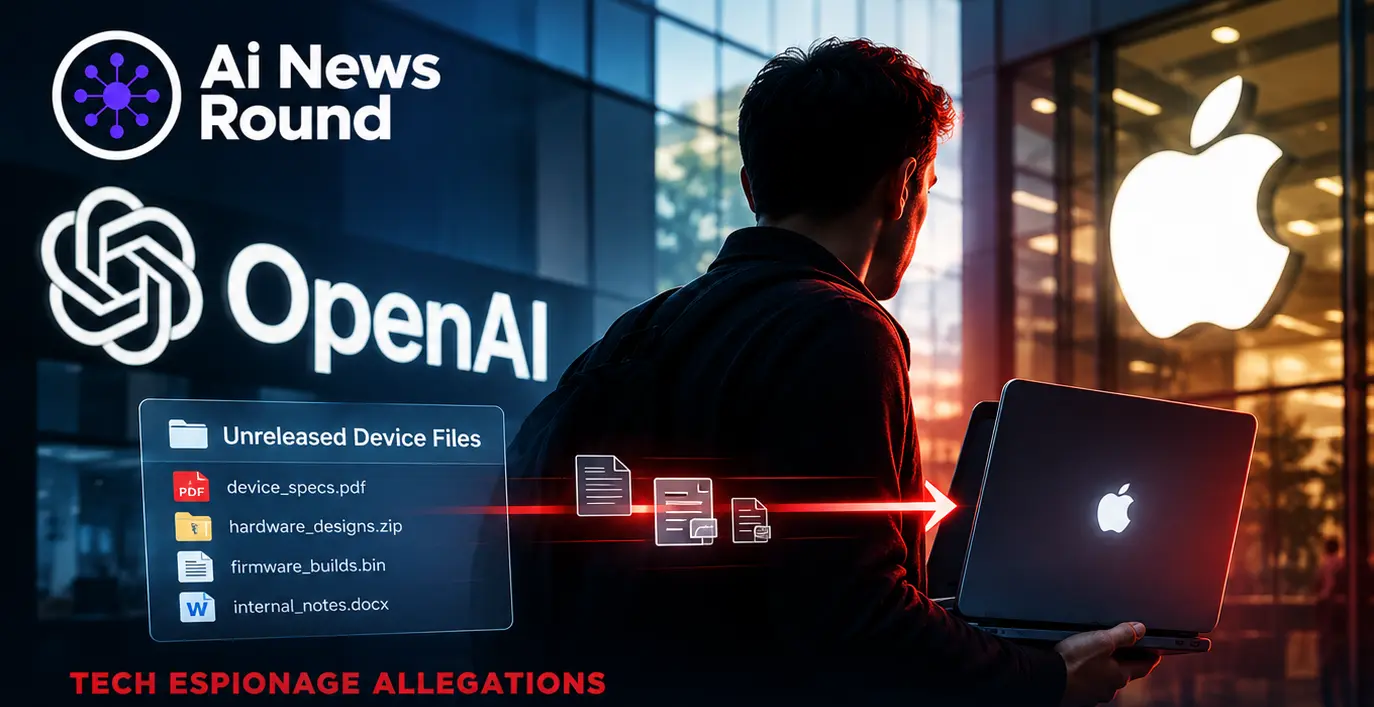
The ongoing legal confrontation between OpenAI and Apple has intensified following new filings in the US District Court for the Northern District of California. In a supplemental motion submitted to Judge Edward Davila, OpenAI alleged that a former employee transferred more than 100 highly confidential files to personal accounts shortly before resigning to rejoin Apple. According to OpenAI's submission, the compromised materials contain detailed engineering schematics, product roadmaps, and hardware specifications for an unreleased artificial intelligence device currently under development.
OpenAI further claims that after returning to Apple, the individual presented confidential product blueprints and strategic insights directly to senior Apple executives. OpenAI expressed severe concern that its proprietary intellectual property could influence Apple's future consumer hardware line and Siri integration roadmaps. The filing marks a sharp escalation in a corporate dispute that began as an inquiry into employee poaching and hardware design IP.
Counter-Filing Context and Corporate Denials
The supplementary charges by OpenAI arrive as part of a broader lawsuit originally initiated by Apple. Apple initially brought suit against former employees and associated entities, including former product design executive Tang Yew Tan and engineer Chang Liu, alleging that departing engineers stole proprietary manufacturing processes, metal-finishing techniques, and internal hardware documentation to assist OpenAI's consumer hardware division. OpenAI called the original complaint aggressive and baseless, framing its latest supplemental evidence as part of an effort to seek court authorization for formal counterclaims.
Responding to OpenAI's new filing, Apple stated that internal investigations and forensic audits turned up no evidence supporting the claims. Apple reiterated that it enforces strict onboarding protocols and legal firewalls to prevent incoming engineers from introducing third-party intellectual property into its design repositories.
Judicial Orders and Escalating AI Hardware Rivalry
The legal friction underscores the intense talent war and high-stakes competition surrounding consumer AI hardware. As frontier research labs attempt to transition model capabilities from screen-based chat interfaces into ambient, dedicated consumer form factors, access to specialized hardware design experience has become a primary flashpoint.
Judge Davila issued orders granting limited early forensic discovery, clearing targeted depositions for key personnel to establish an immutable evidentiary record before trial proceedings advance. With no immediate settlement in sight, the proceedings illustrate how rapidly the commercial partnership between Apple and OpenAI has evolved into direct technical and legal rivalry.
For additional context on corporate AI safety protocols and legal frameworks, explore our coverage on AI Executives Prepare for Severe AI Incident in Next 6 to 12 Months and view our dedicated reporting under AI Policy & Regulation.