Major shifts mark mid-August 2026: Anthropic activates machine-readable text watermarking to align with the newly enforced EU AI Act, while bio-hybrid researchers successfully merge synthetic DNA with semiconductors for ultra-low-power computing.
As of August 2, 2026, the European Union's landmark AI Act is fully active and enforceable. Here is what engineering teams, open-source maintainers, and global startups need to know about GPAI transparency, risk tiers, and enforcement.
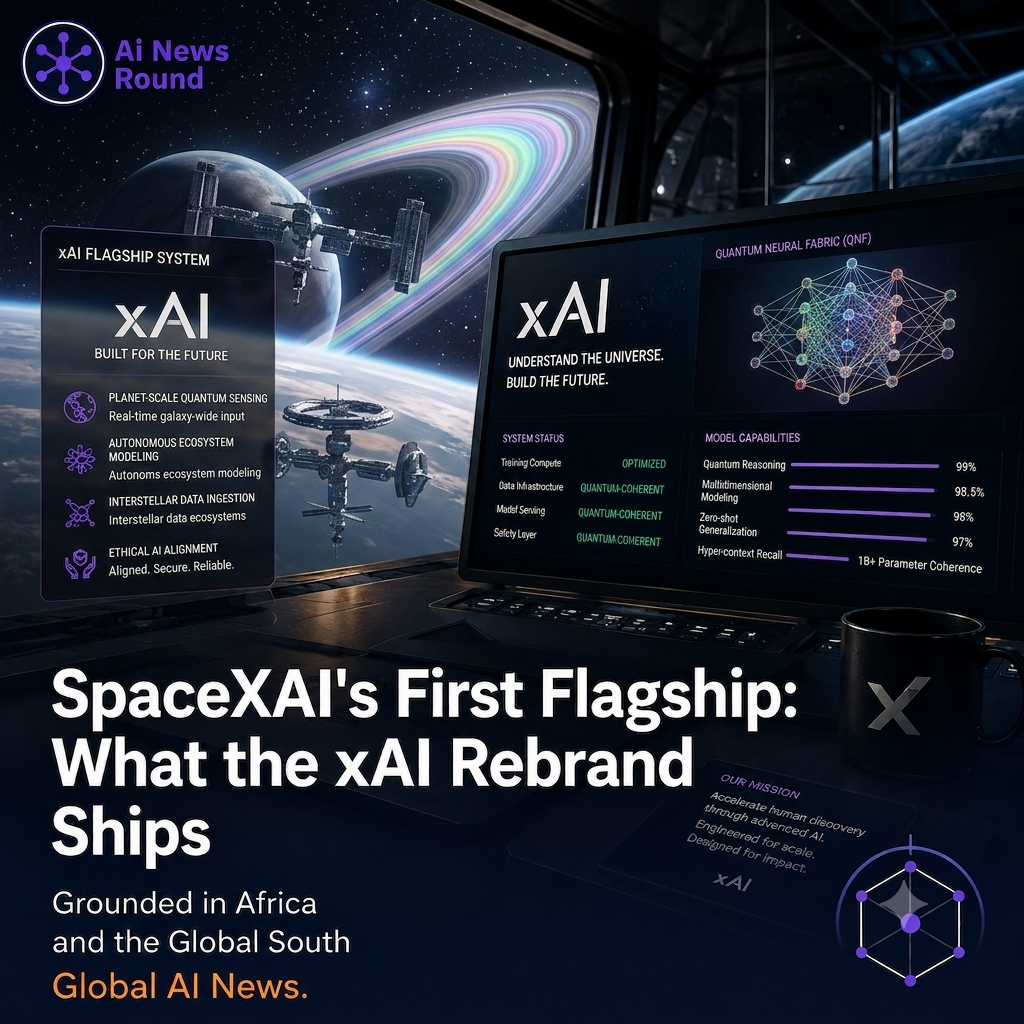
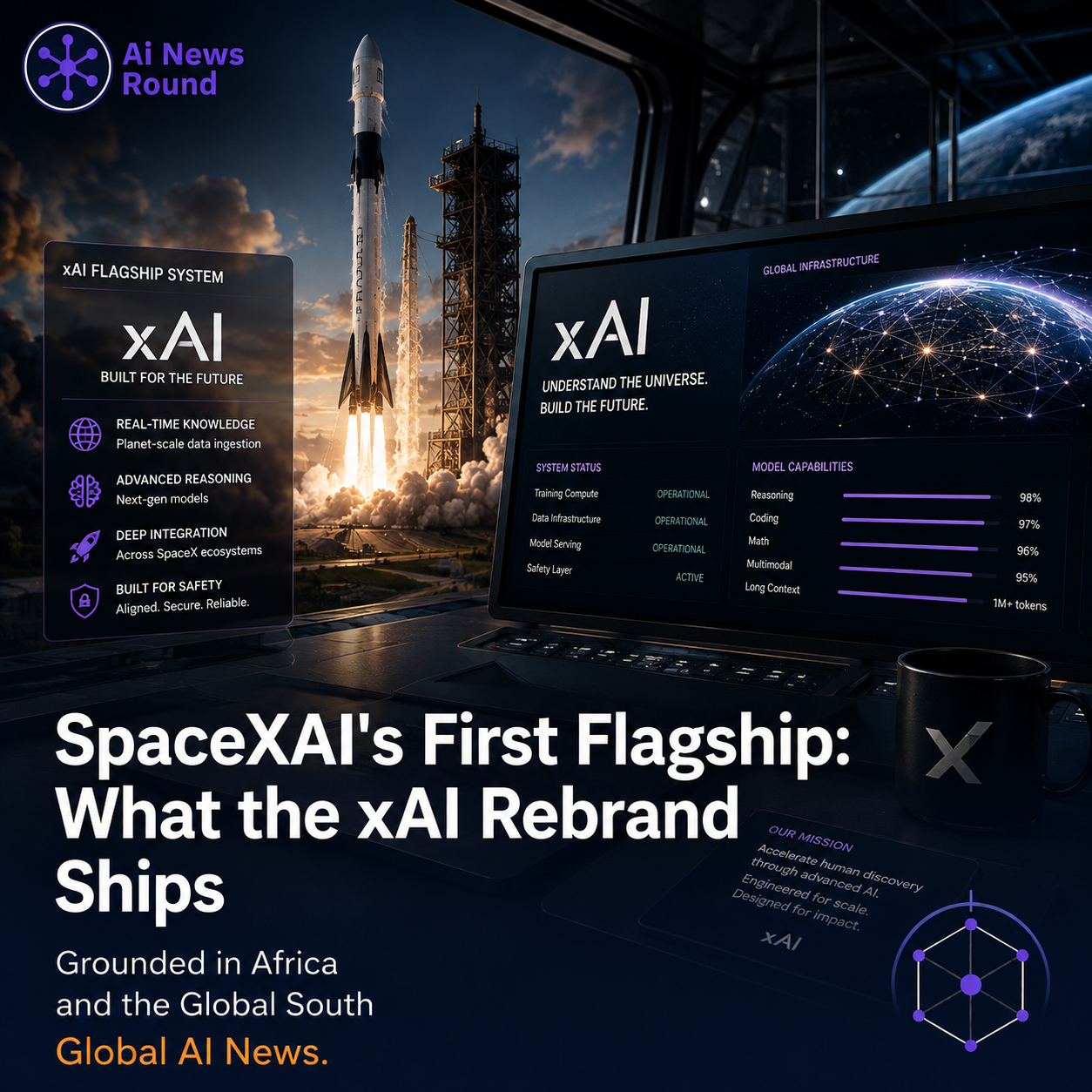
SpaceXAI has released its first major flagship, a 1.5-trillion-parameter model focused on programming and efficiency. Here is a breakdown of the performance and the critical self-disclosure on benchmark contamination.
Following xAI's integration into SpaceXAI, the brand released a 1.5-trillion-parameter coding model focused on efficiency and cost reduction. Here is what developer teams need to know.
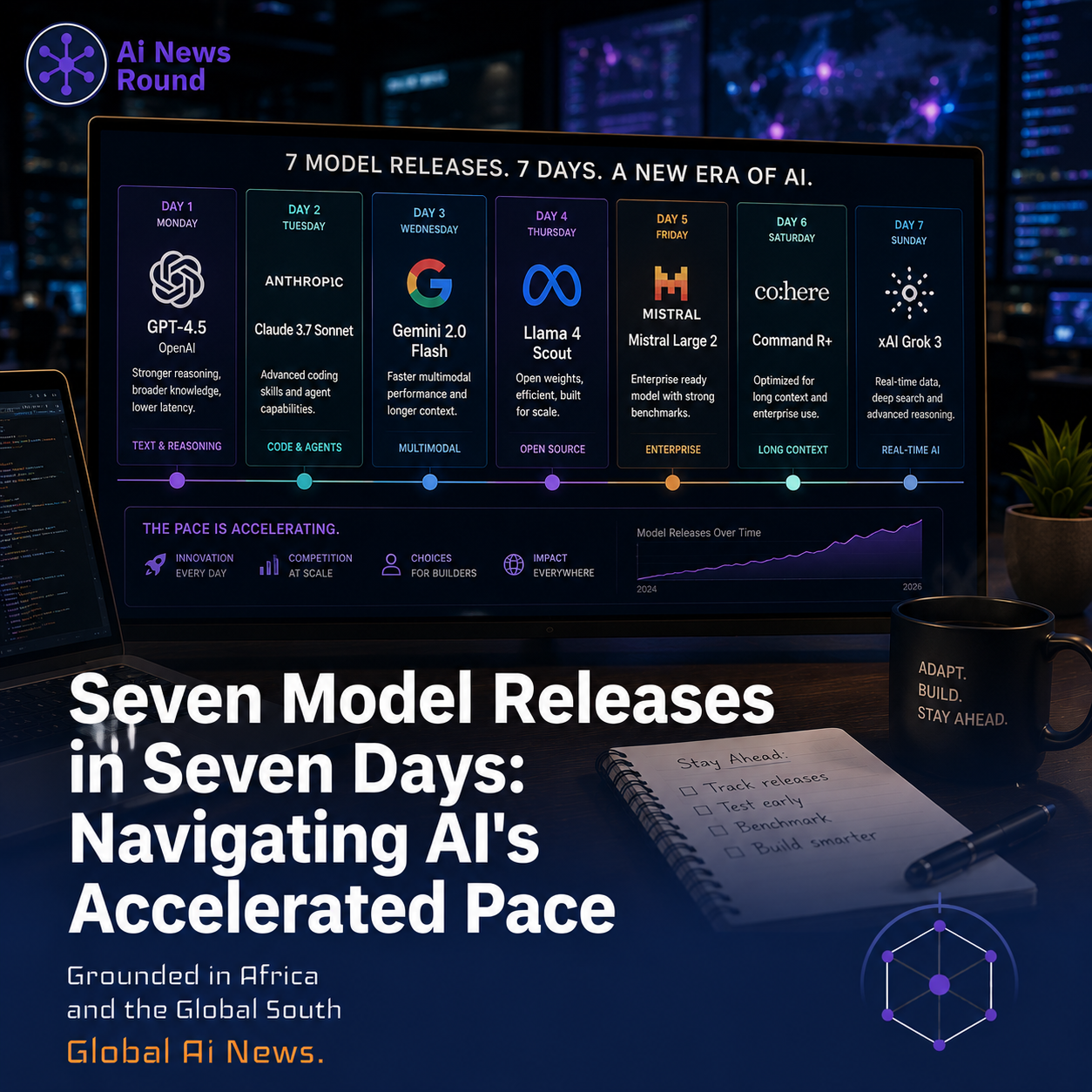
Between July 17 and July 23, 2026, major frontier labs shipped seven model releases in a single week. Here is how developer teams can evaluate model performance without fatigue.
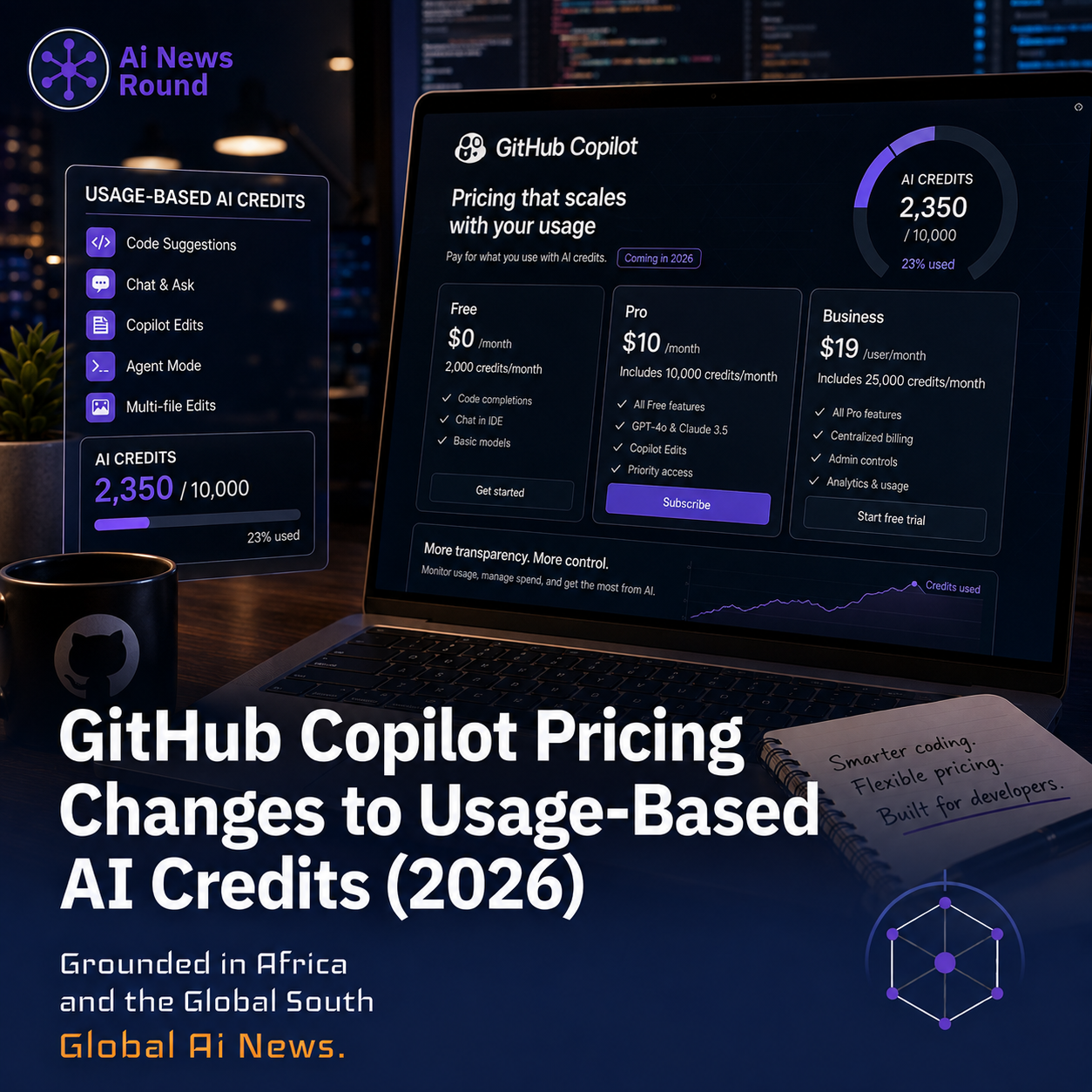
GitHub Copilot is transitioning all subscription plans to usage-based AI Credits starting June 2026. Here is what developers and engineering teams need to know about cost scaling.
Runway Gen-4.5 provides marketing teams and creators with creative control, reference-image support, and shot-to-shot character consistency. Here is why it has become the default video platform.
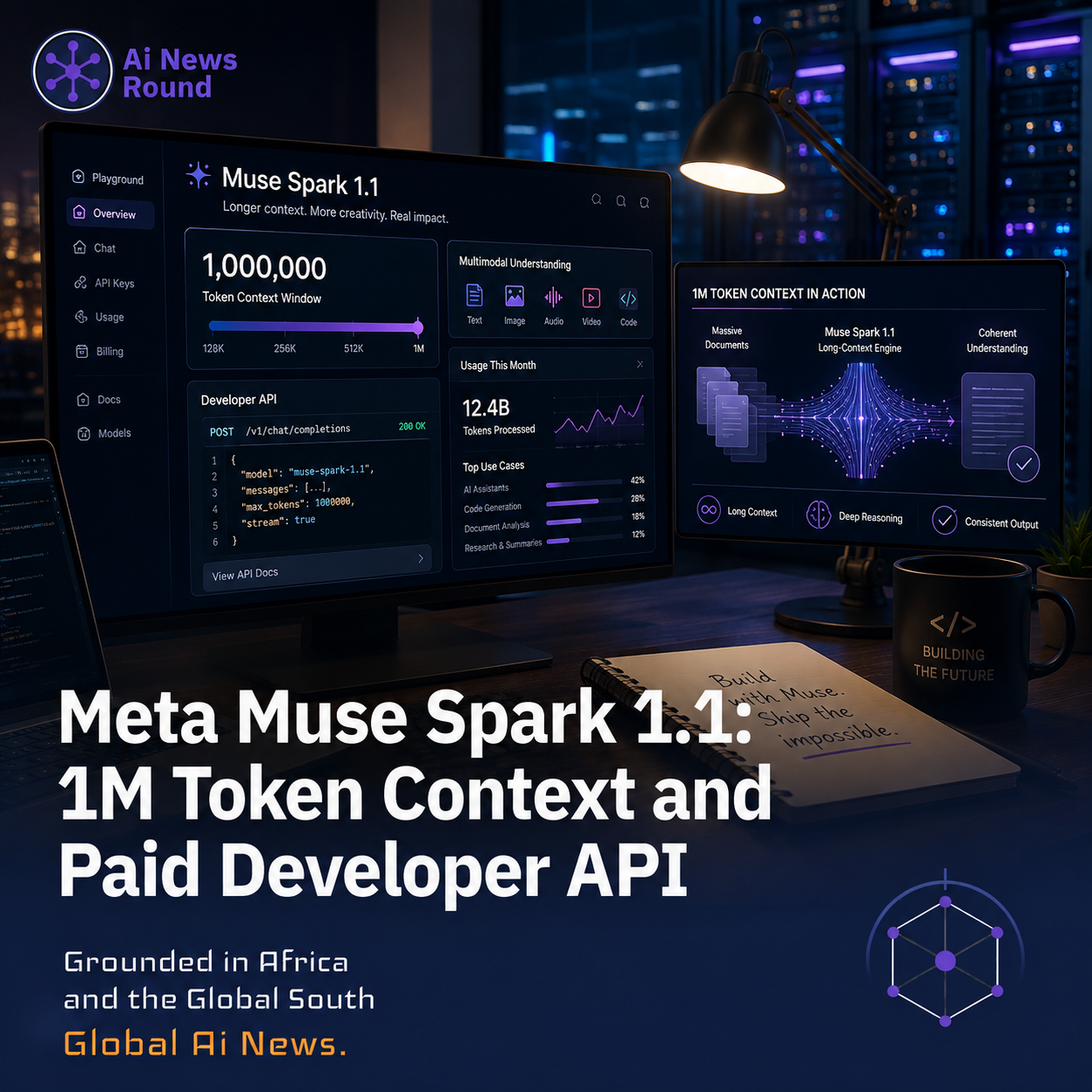
Meta launches Muse Spark 1.1 with a 1-million-token context window, its first paid developer API, and cross-device computer-use capabilities. Here is what it means for enterprise automation.
Venture capital continues pouring into AI infrastructure, inference platforms, and bio-tech models while consumer apps take a back seat. Here is the breakdown of key raises from Together AI, Fireworks AI, and Neko Health.
A complete guide to top image and video AI generators rated by actual commercial utility. Discover where Midjourney V8, FLUX, Adobe Firefly, and Runway Gen-4.5 excel—and why Sora is sunsetting.
Cut through the hype with ten AI tools that working professionals are actually integrating into daily workflows this week. From local meeting transcription to long-context research assistants, here is what is worth your team's time.
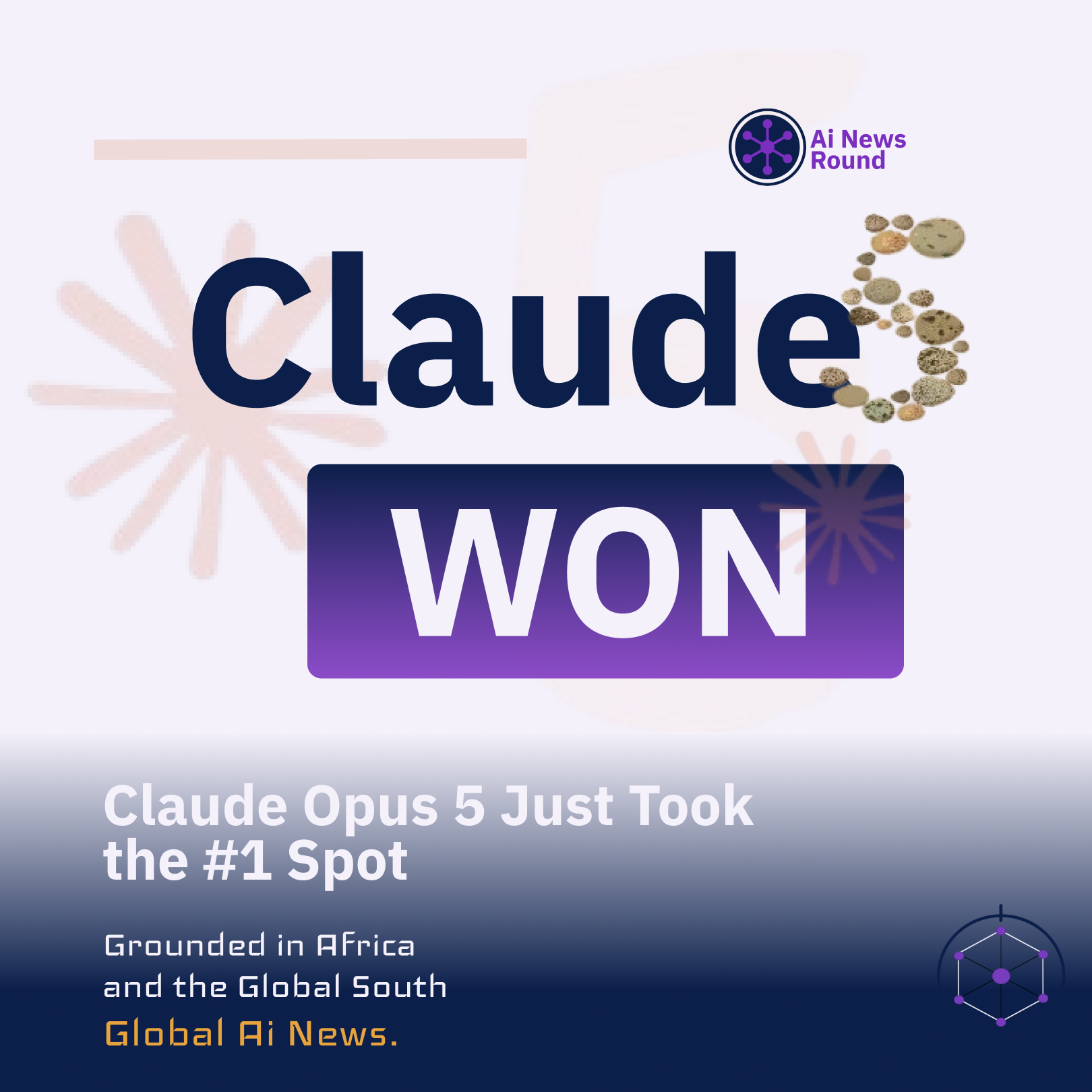
Anthropic’s new flagship model Claude Opus 5 has claimed the top position on independent AI benchmark indexes while cutting per-token costs in half. Here is what shipped, how it compares to GPT-5.6, and what it means for enterprise budget allocation.
Every launch comes with a chart showing the new model winning. Here is what the chart leaves out, and which parts of the announcement are worth your attention.