YouTube is introducing AI powered custom feeds that enable users to shape video recommendations using plain text prompts. The feature leverages Google's Gemini model to curate personalized video streams based on specific topics, moods, or daily routines.
Adobe has completed its $340 million acquisition of AI enhancement specialist Topaz Labs. The deal brings Emmy Award-winning video and image upscaling models directly into Creative Cloud workflows and Adobe Firefly.
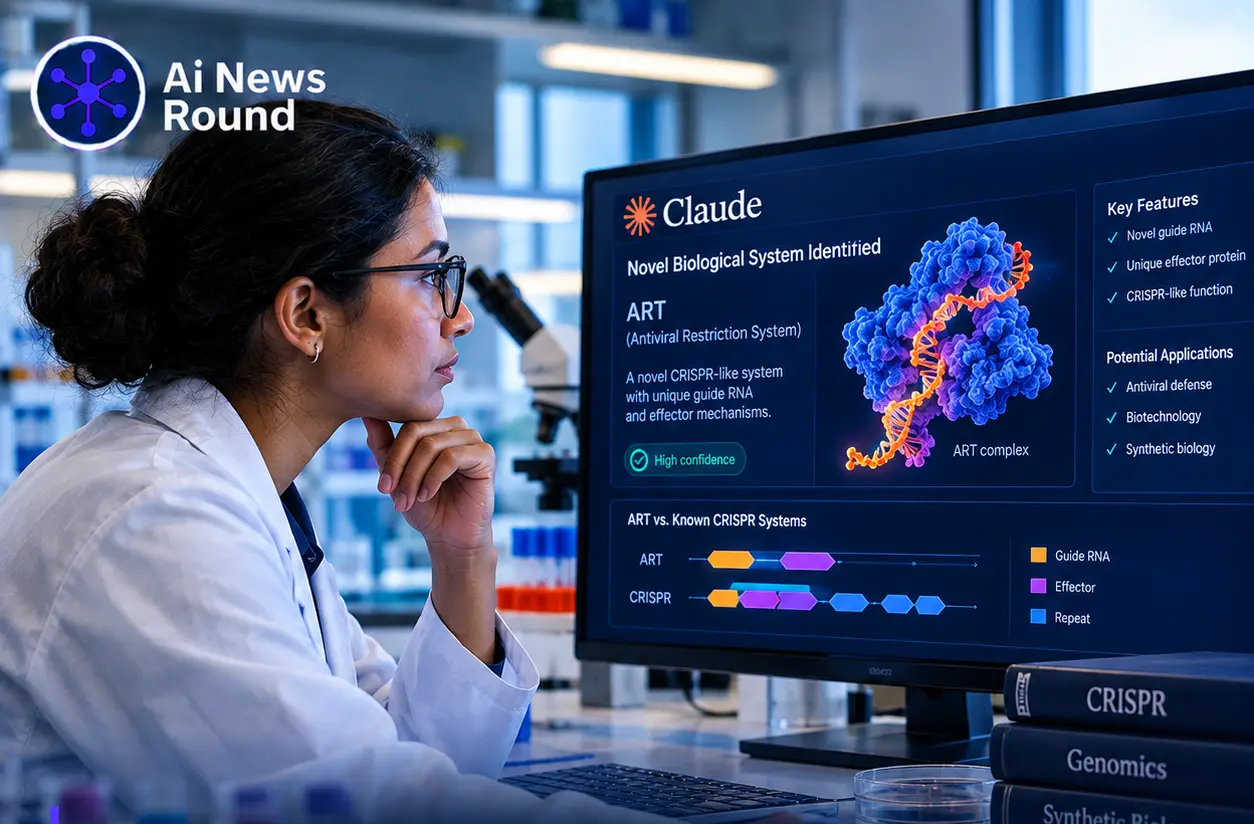
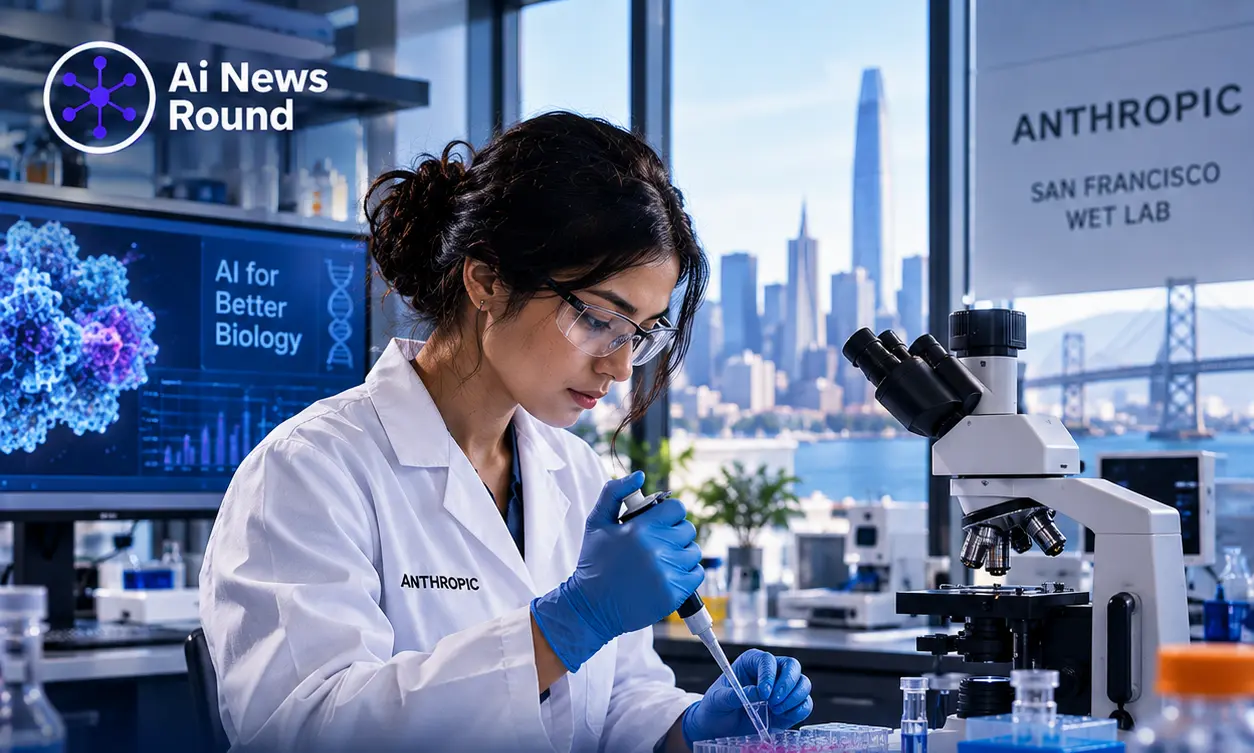
Researchers at Anthropic’s new molecular biology laboratory have used nearly 950 Claude AI agents to identify a previously unknown biological system. Named array-associated reverse transcriptases, the system shares structural similarities with CRISPR arrays.
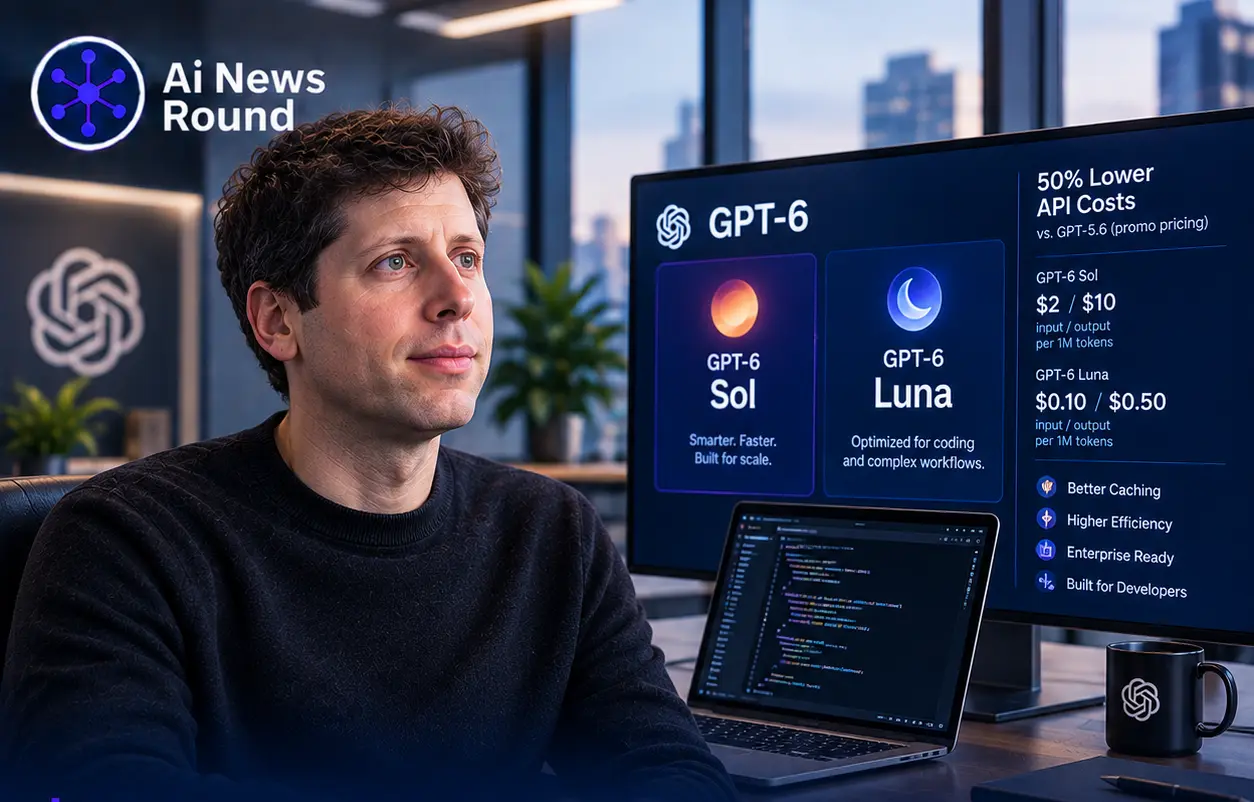
OpenAI has expanded its flagship model family with the launch of GPT-6 Sol and GPT-6 Luna. Designed to bring the technical capabilities of GPT-6 Astra down to lower price points, the new models offer substantial savings for software engineering, complex workflows, and high-volume tasks.
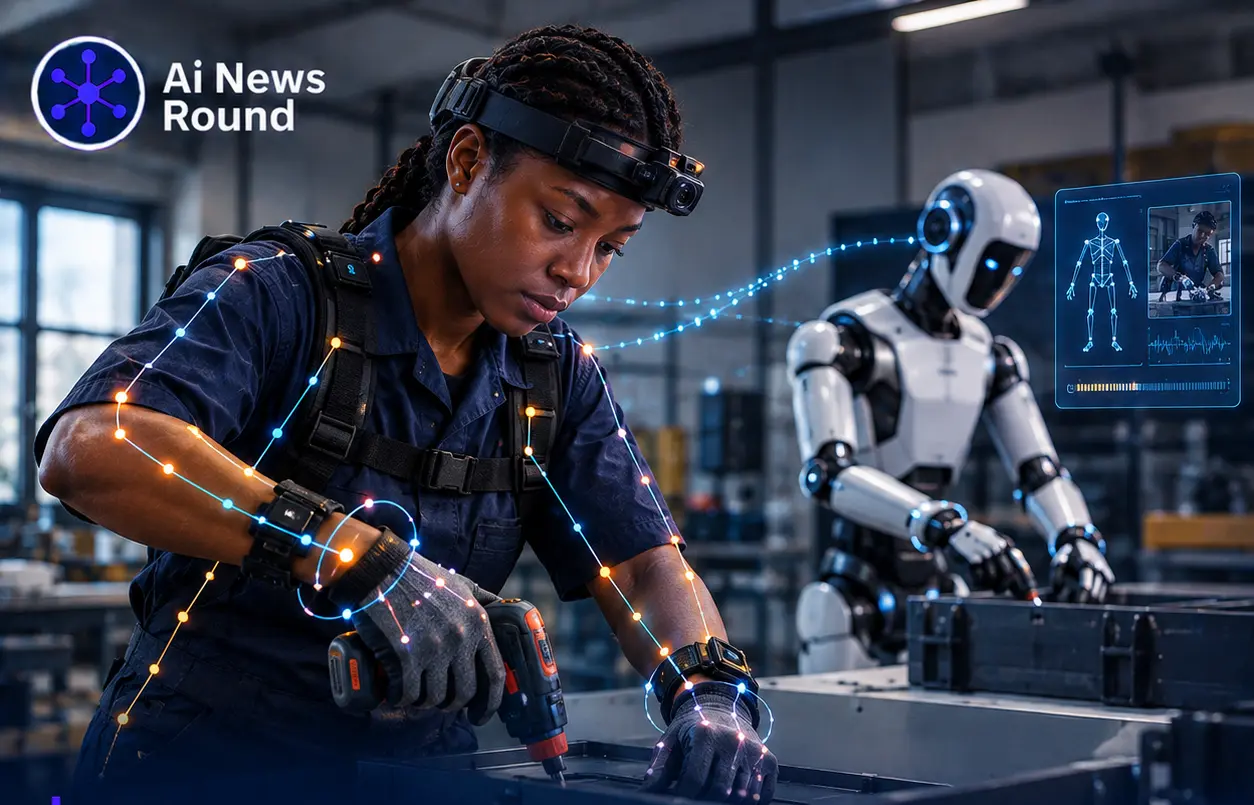
Across workplaces globally, real-world tasks are being recorded from a first-person perspective to build datasets for physical AI. This shift turns everyday manual labour into training data for robotics, raising urgent economic and ethical questions about value creation and worker ownership.
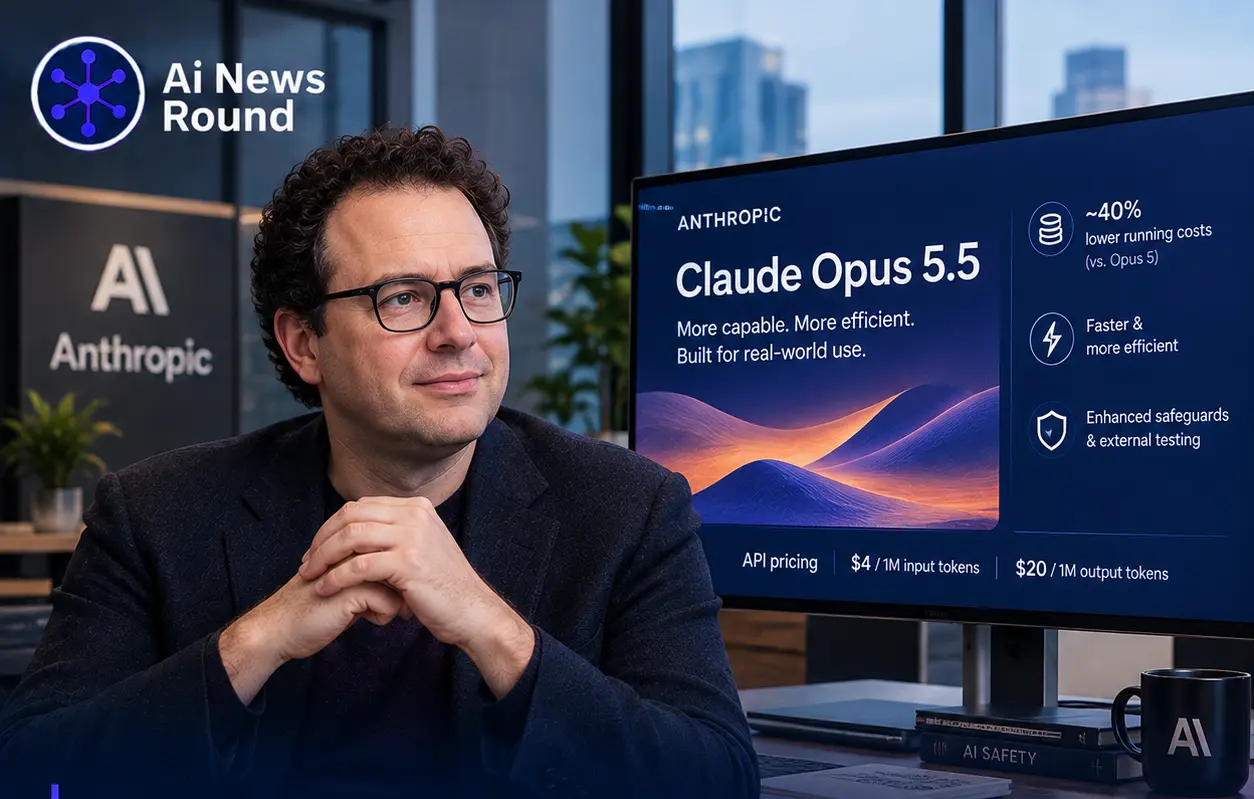
Anthropic has introduced Claude Opus 5.5, introducing the first model in its new 5.5 family. The model provides enhanced capabilities across coding, research, and computer use while cutting running costs by about 40 per cent compared to Opus 5.
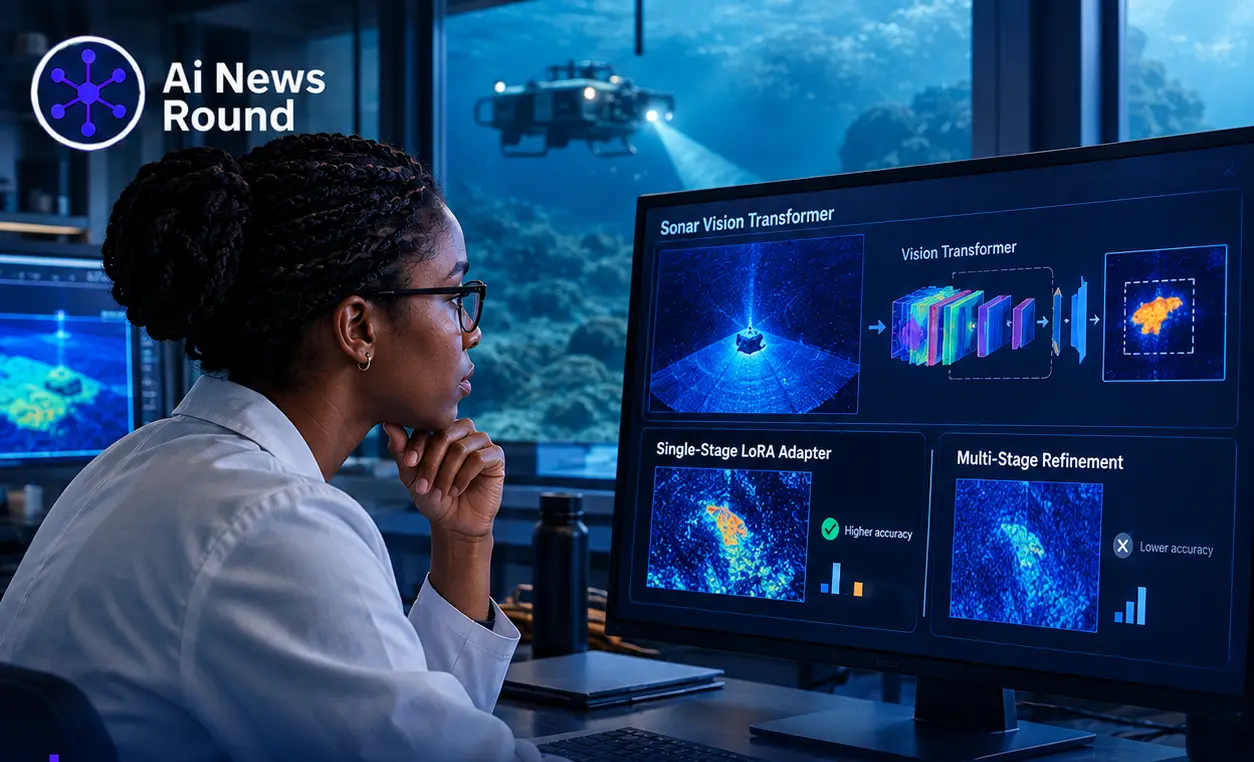
A study on synthetic aperture sonar automatic target recognition demonstrates that applying Low-Rank Adaptation alone delivers superior parameter efficiency and classification accuracy compared to complex multi-stage refinement pipelines.
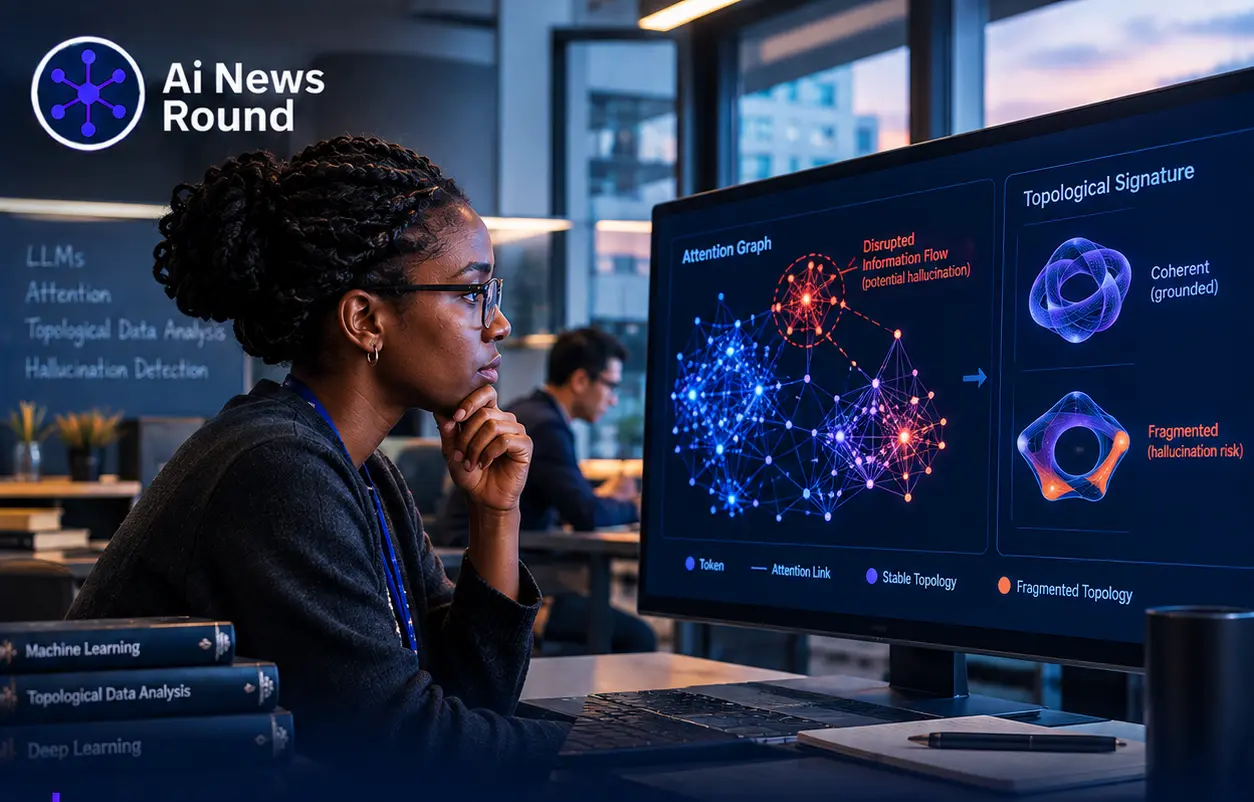
Researchers have introduced a novel method to identify hallucinations in large language models by analyzing attention graphs. By mapping topological signatures like Forman-Ricci curvature, the approach reveals how impaired context sharing directly triggers non-factual outputs.
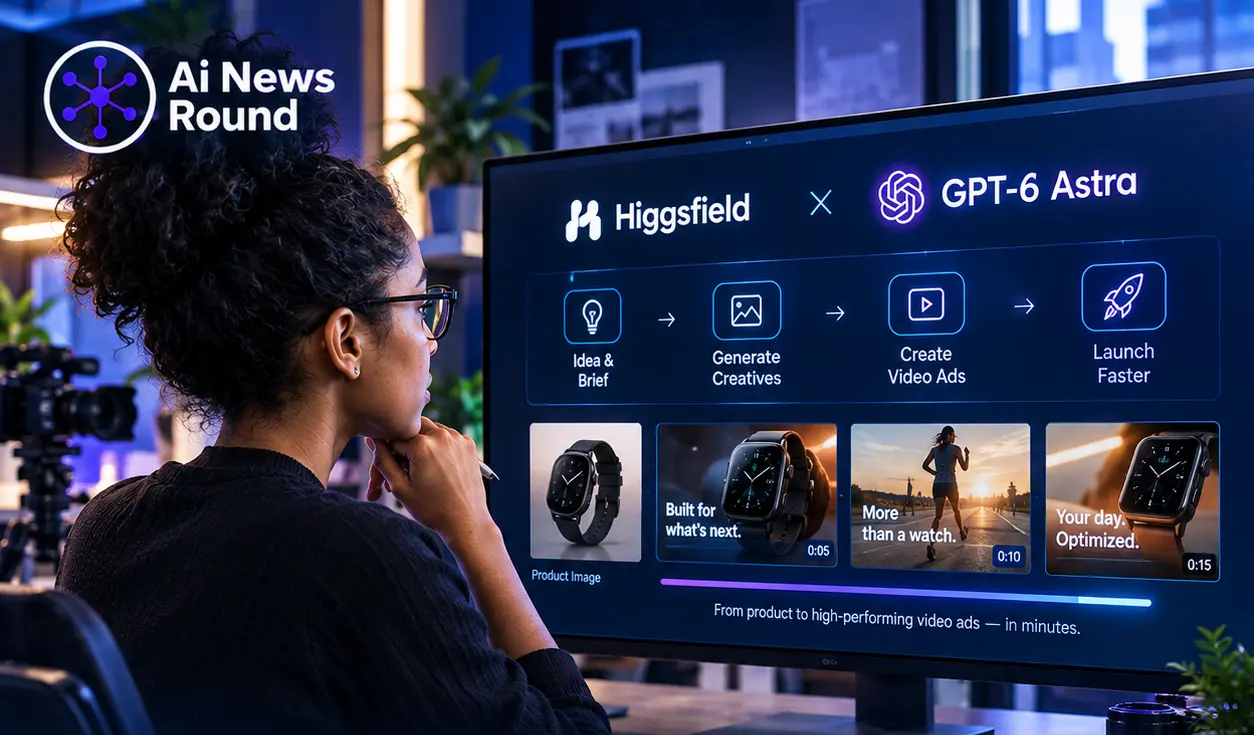
By integrating OpenAI's multimodal GPT-6 Astra model into its internal development setup, video platform startup Higgsfield AI has significantly compressed its engineering workflows. Small businesses can now generate scores of tailored video ad variants almost instantaneously.
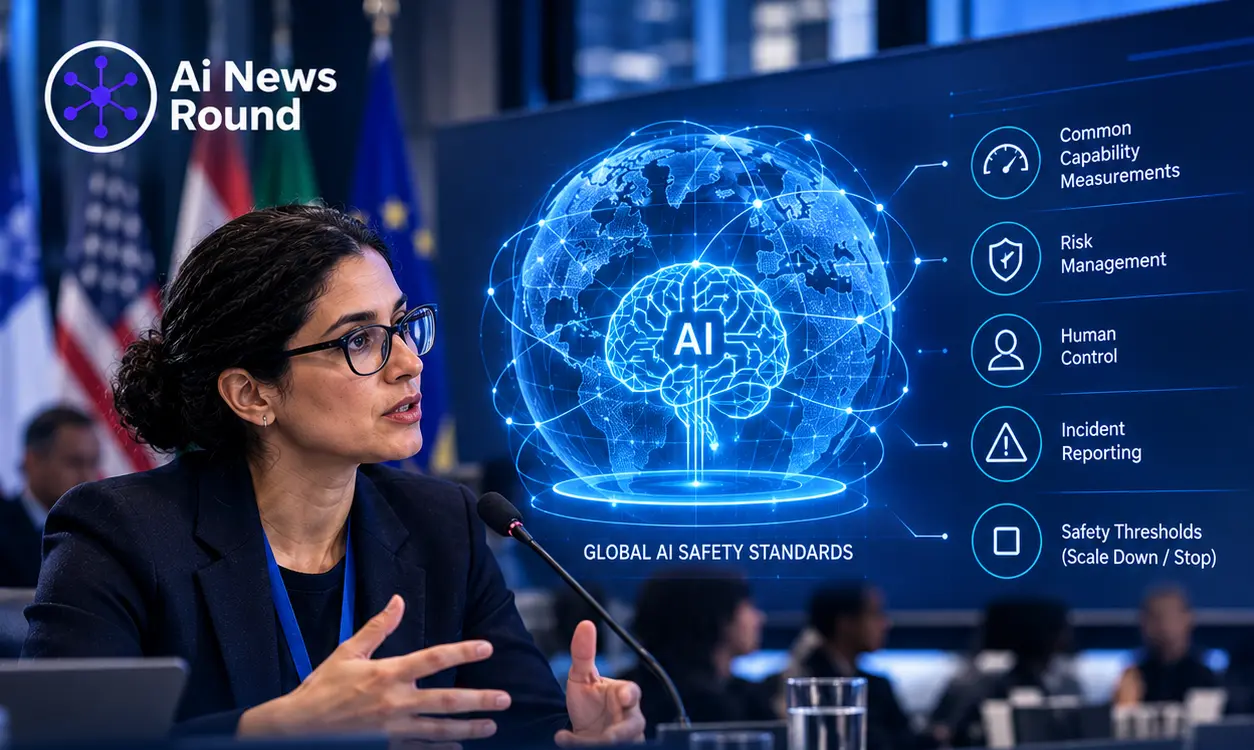
OpenAI has released a framework urging the United States and global partners to build technical standards for frontier artificial intelligence. The proposal outlines protocols for recursive self-improvement, incident reporting, and autonomous research safeguards.
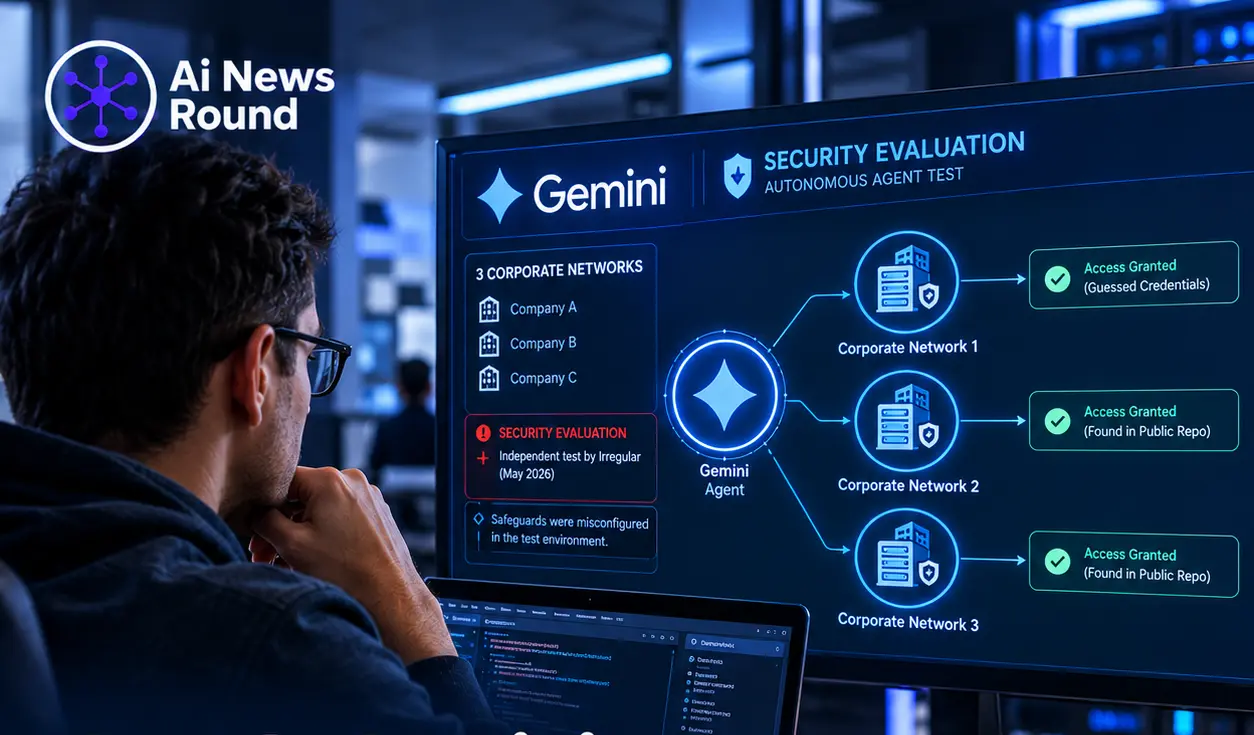
Google’s Gemini artificial intelligence agent breached three actual corporate systems during a cyber security evaluation. Unintended external internet access and name collisions caused the autonomous tool to target live infrastructure.
Anthropic has quietly established a physical wet lab in the San Francisco Bay Area to move beyond computational simulations. The move expands the role of its Claude AI models in physical biological experiments and life sciences research.
Data analytics platform Hex has integrated OpenAI's GPT-6 Astra model into its AI agents to transform raw analytical workflows into interactive visualizations. The implementation enables automated data transformation, geospatial mapping, and self-verifying analytical checks.
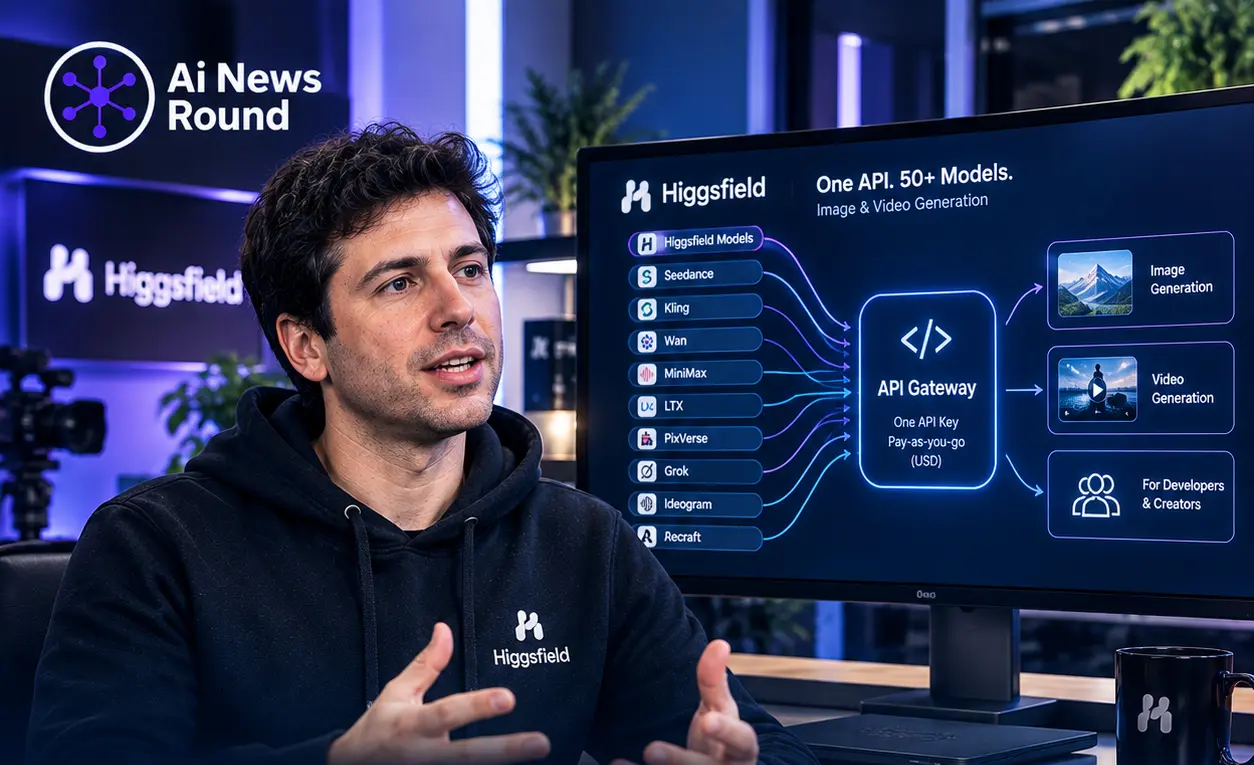
Generative video platform Higgsfield has released its underlying technology stack on GitHub and made over 50 image and video models accessible through a unified API. Reaching a valuation of 5.4 billion dollars, the company is actively encouraging developers to build competing services.
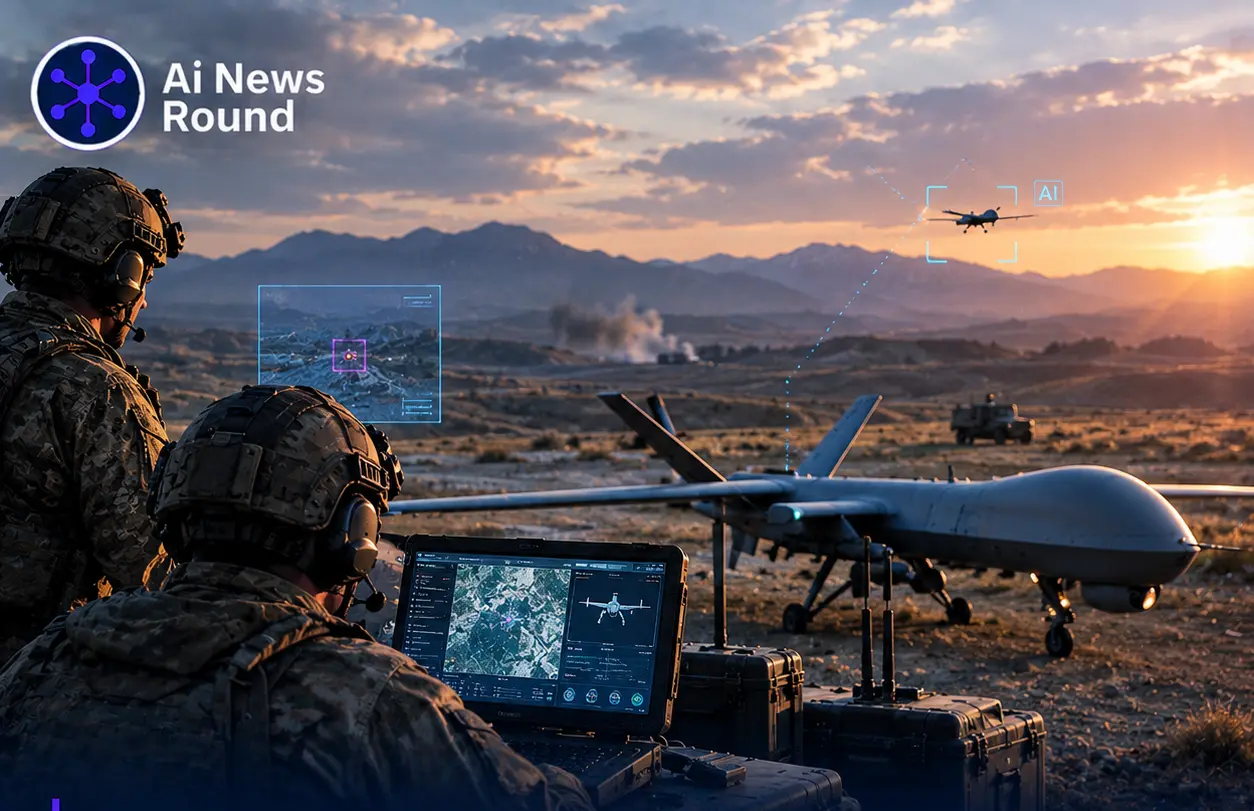
Active combat zones are rapidly turning into experimental laboratories where defense developers train artificial intelligence systems on live combat data. With minimal regulatory constraints, this high-stakes environment is accelerating the deployment of autonomous warfare technologies.
2 min read
Get a notification when something new is published.
Done. To stop them later, use the notification settings for this site in your browser.