The human dimension. Jobs, bias, surveillance, education, healthcare, agriculture, language and creativity — what happens when AI meets the messiness of actual lives.
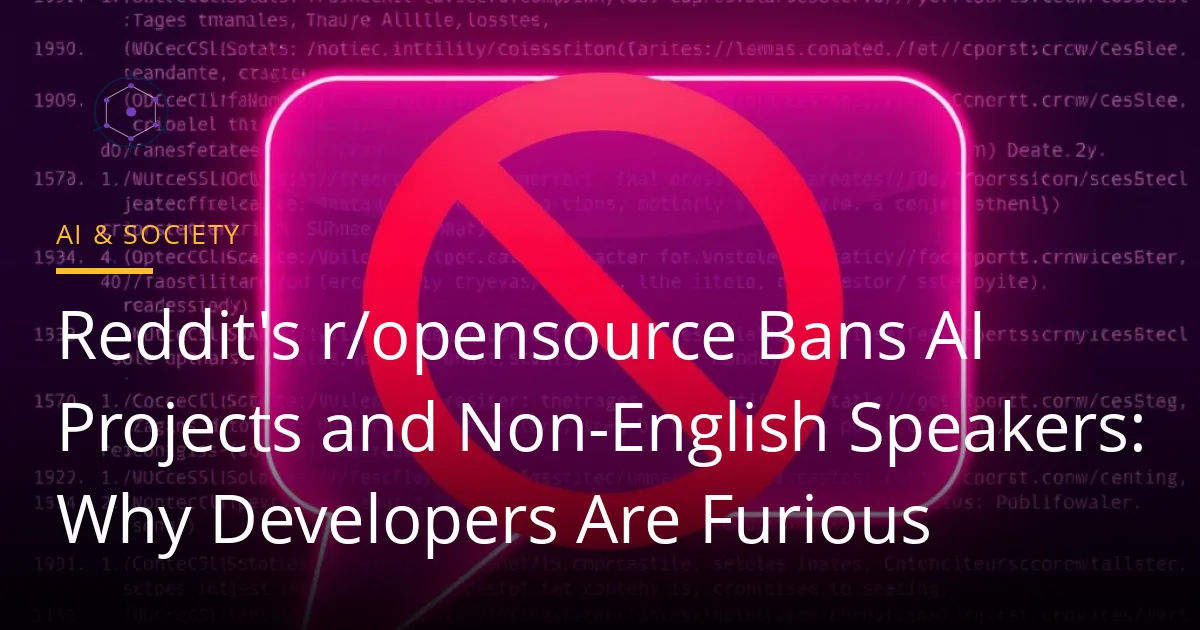
Reddit's r/opensource now bars projects that use or target AI, plus new accounts, young projects and non-English posts. Here is what the rules say and why developers are furious.
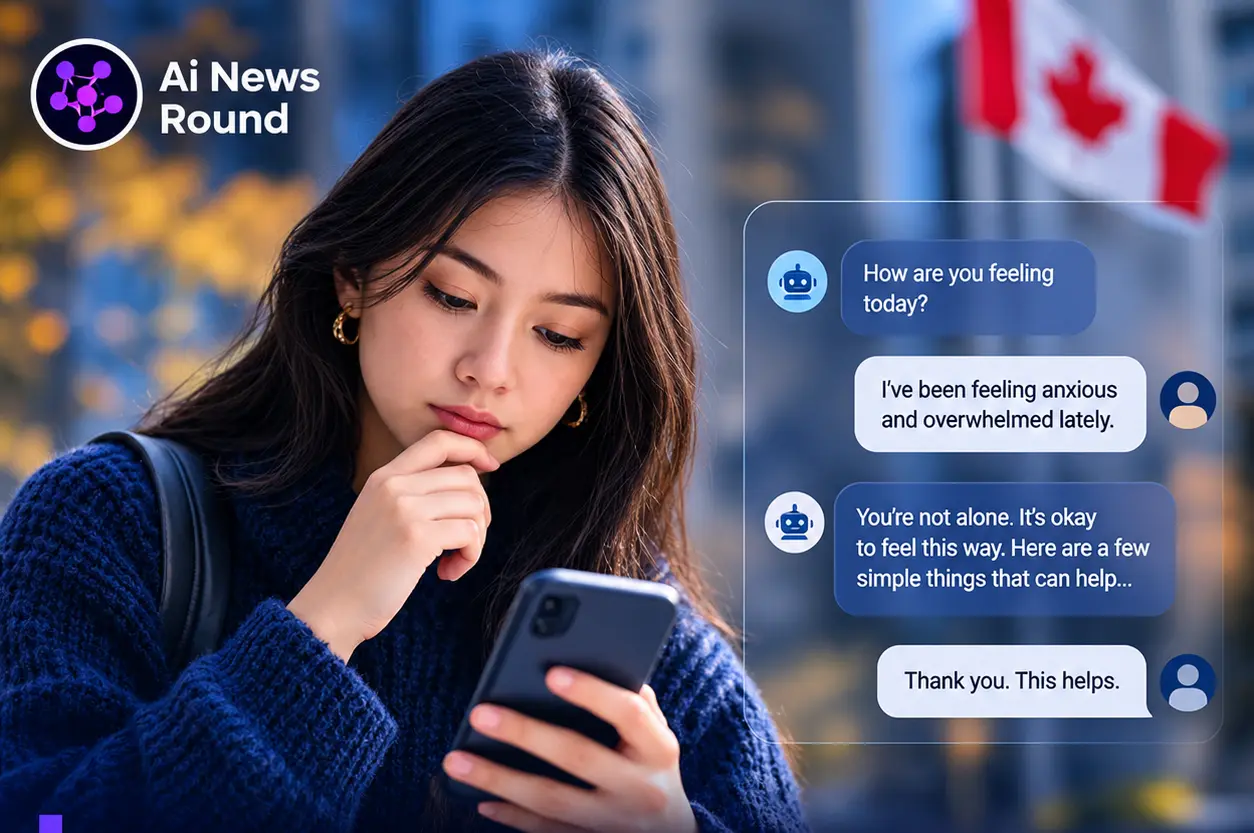
A report by youth mental health network Jack.org reveals that one in three young Canadians uses generative AI tools monthly for mental health guidance. Medical experts warn against replacing professional therapy with sycophantic conversational agents.
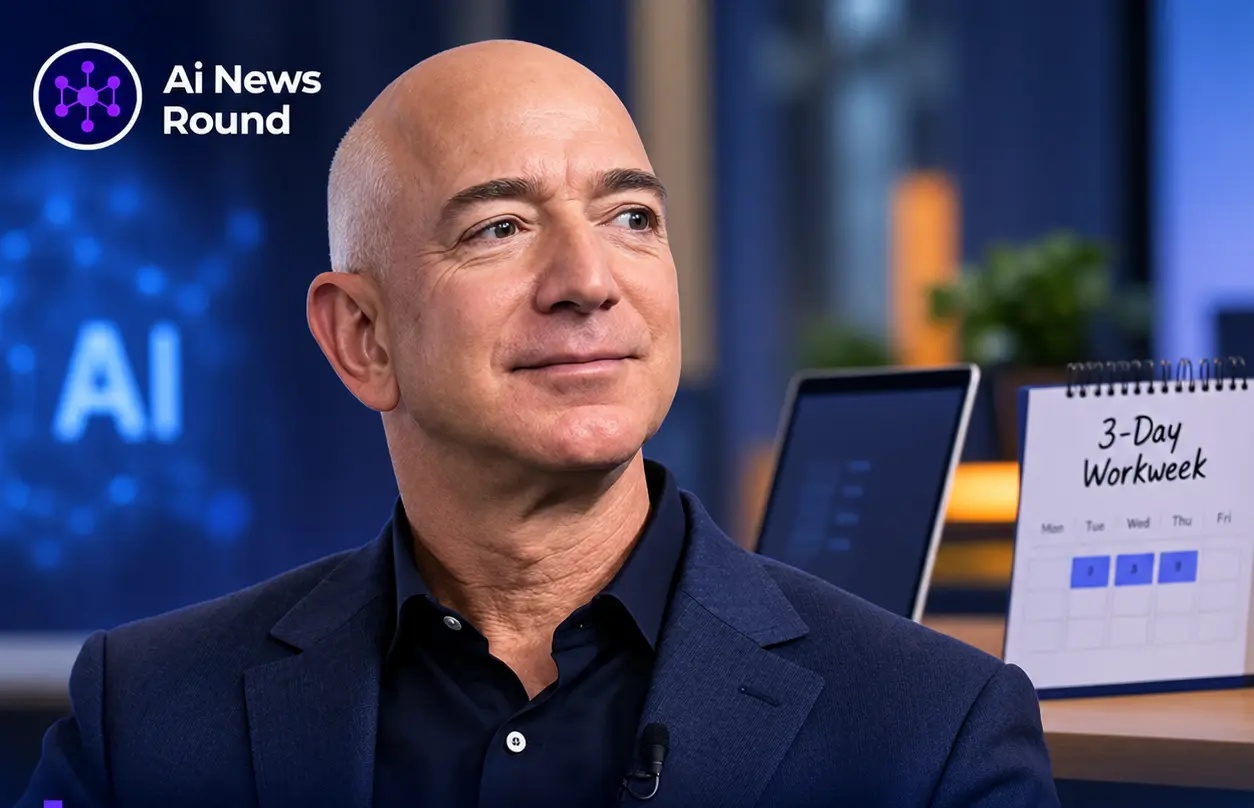
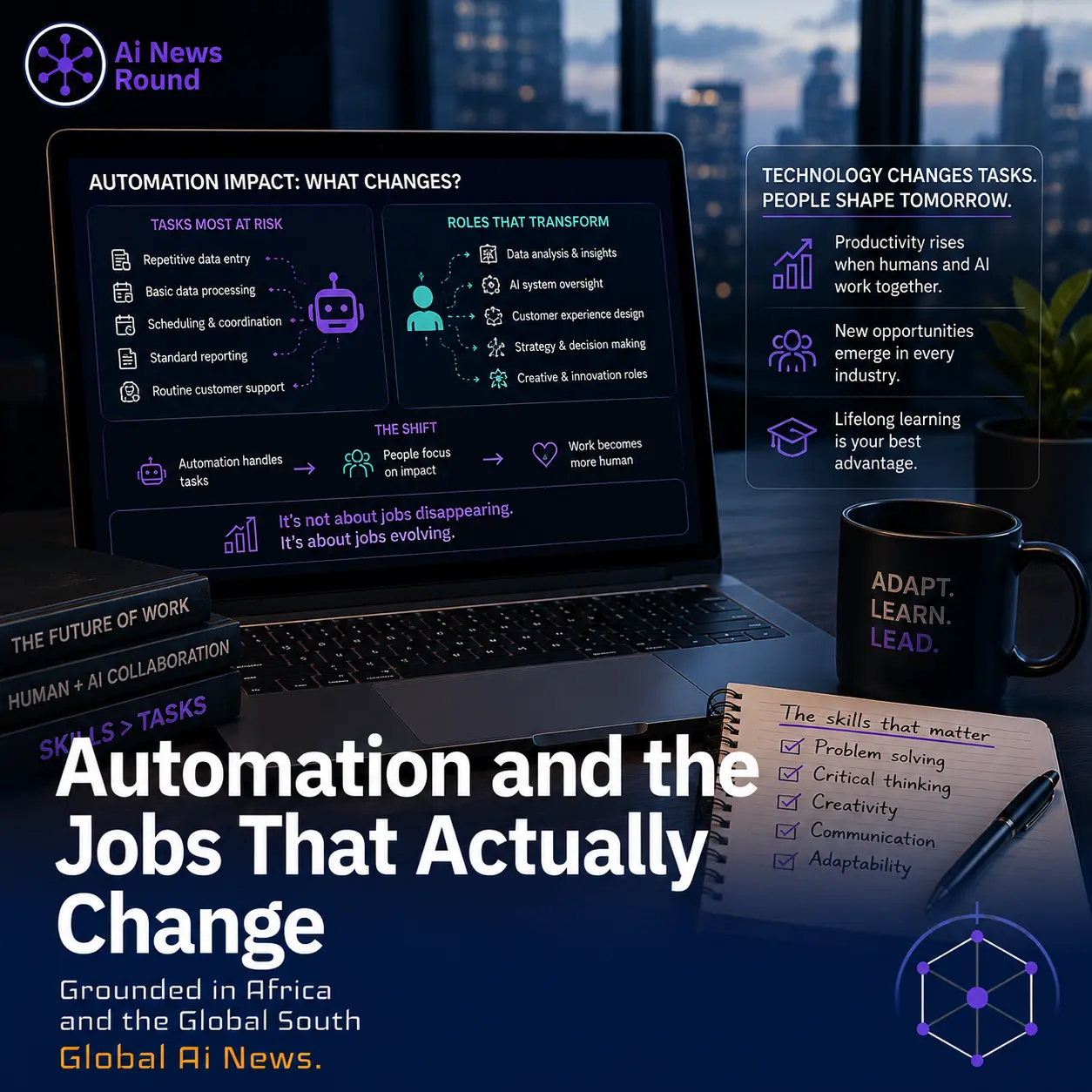
Amazon founder Jeff Bezos argues that artificial intelligence will generate double-digit productivity gains, enabling workers to support families on three-day workweeks. Speaking on Fox News, Bezos disputed AI-driven mass layoff predictions, attributing Amazon's corporate job cuts to post-pandemic overhiring.
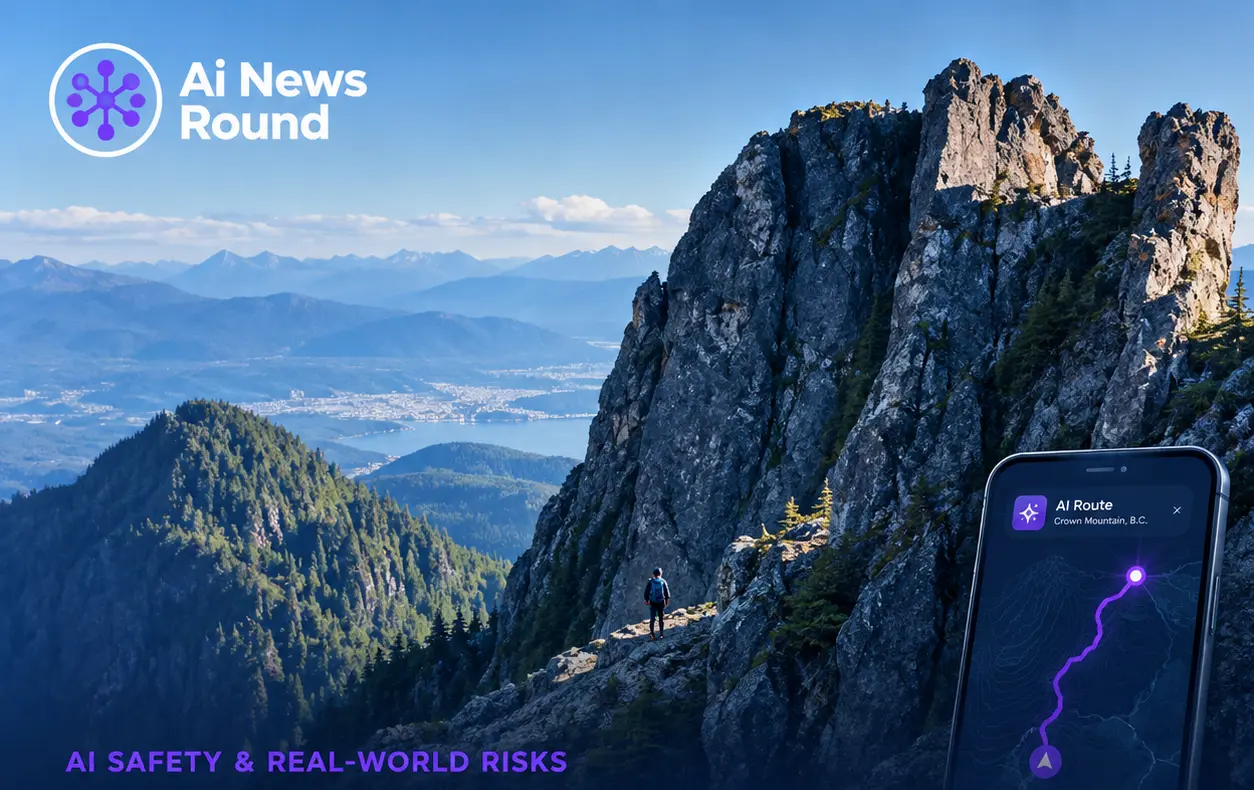
A 16-year-old hiker was rescued by helicopter from British Columbia's Crown Mountain after an AI-generated itinerary led him off-trail into dangerous climbing terrain. Emergency personnel hoist-extracted the stranded teen from the Widowmaker Arete, prompting warnings against relying on LLMs for backcountry navigation.
Used bookshops across Japan are experiencing an unprecedented surge in sales as bulk buyers acquire tonnes of physical texts. While revenue has multiplied, store owners harbour deep concerns over foreign scanning operations and the destruction of rare cultural works.
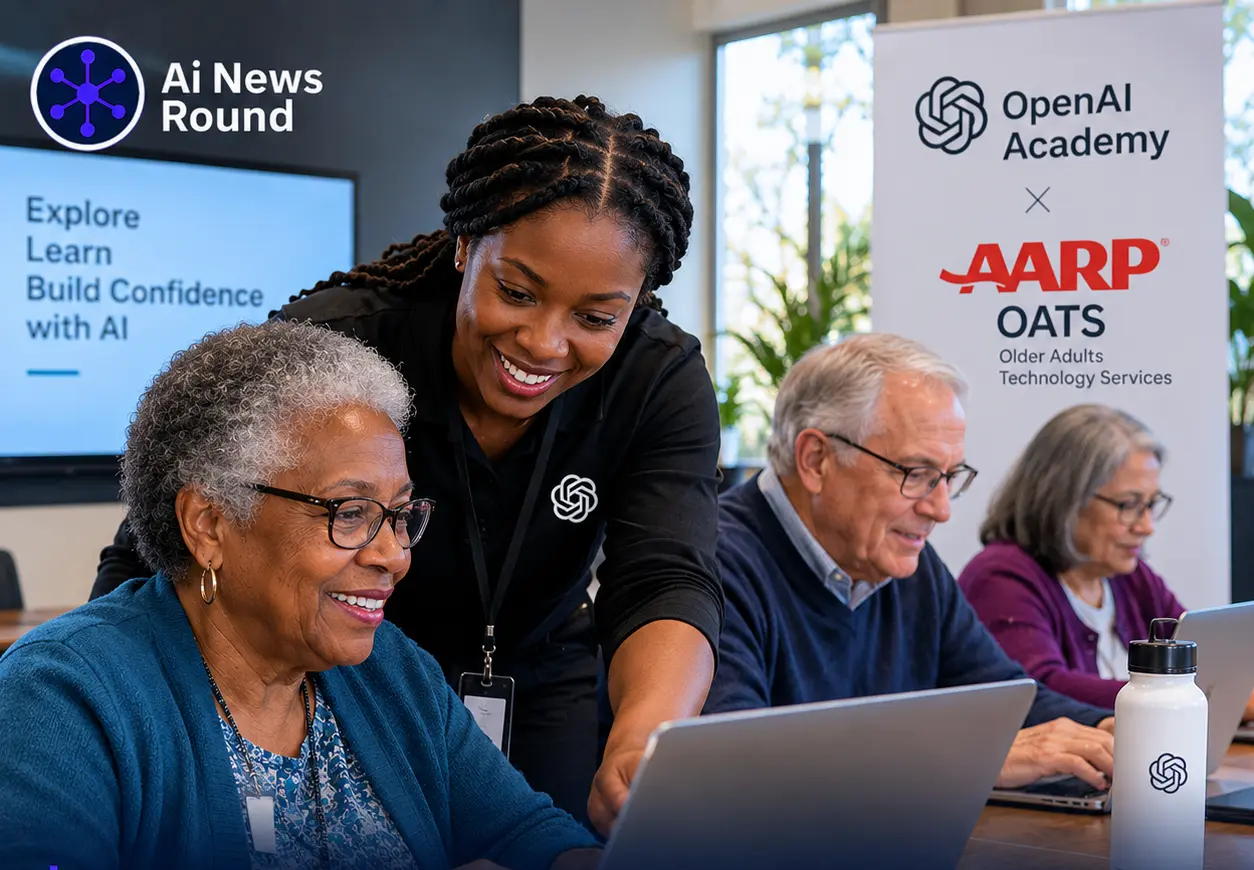
OpenAI Academy and Older Adults Technology Services (OATS) from AARP have launched the Older Adults AI Skills Jam, bringing free in-person workshops to 1,000 seniors across ten US communities. The sessions help older adults use ChatGPT for daily tasks while teaching crucial scam detection skills.
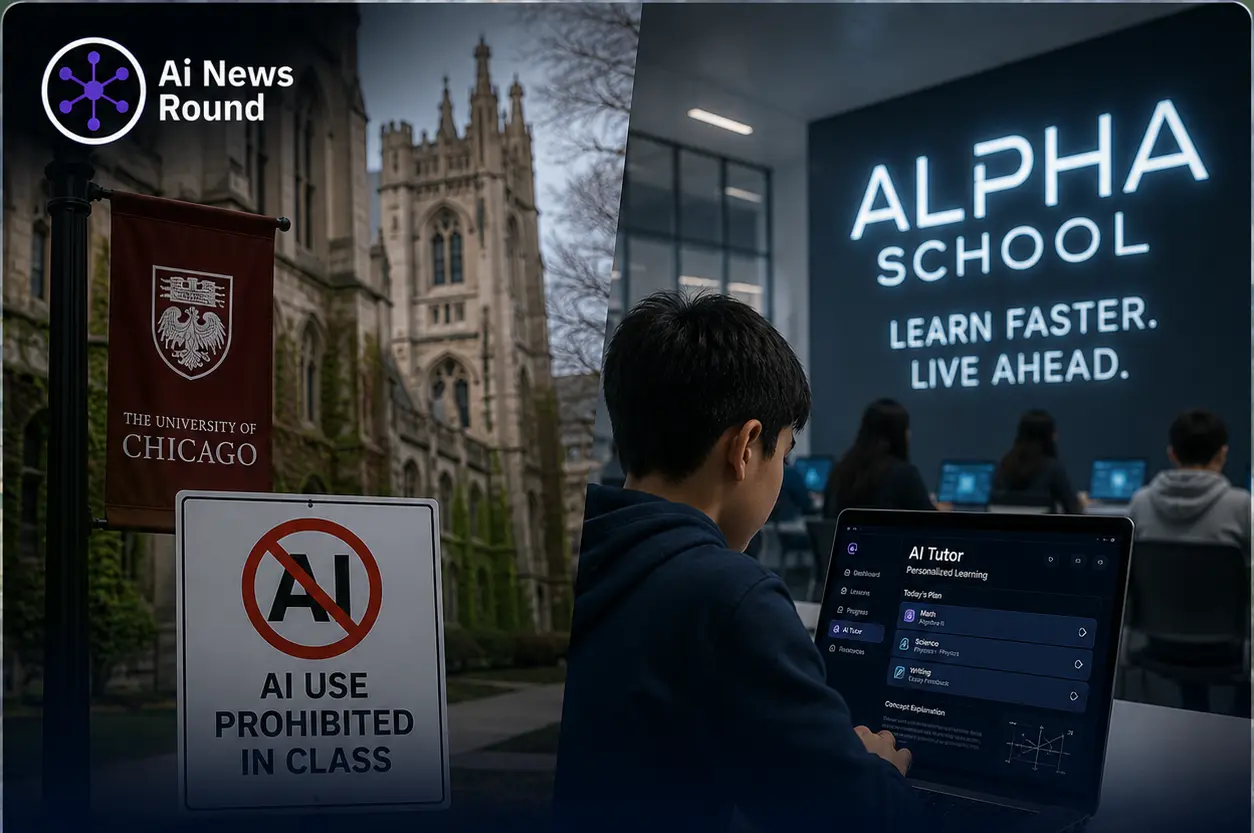
Two education models are placing opposite bets on the same technology this fall: the University of Chicago is banning AI from its core undergraduate courses, while Alpha School is expanding its AI-driven, largely teacher-free model to roughly 50 campuses nationwide.
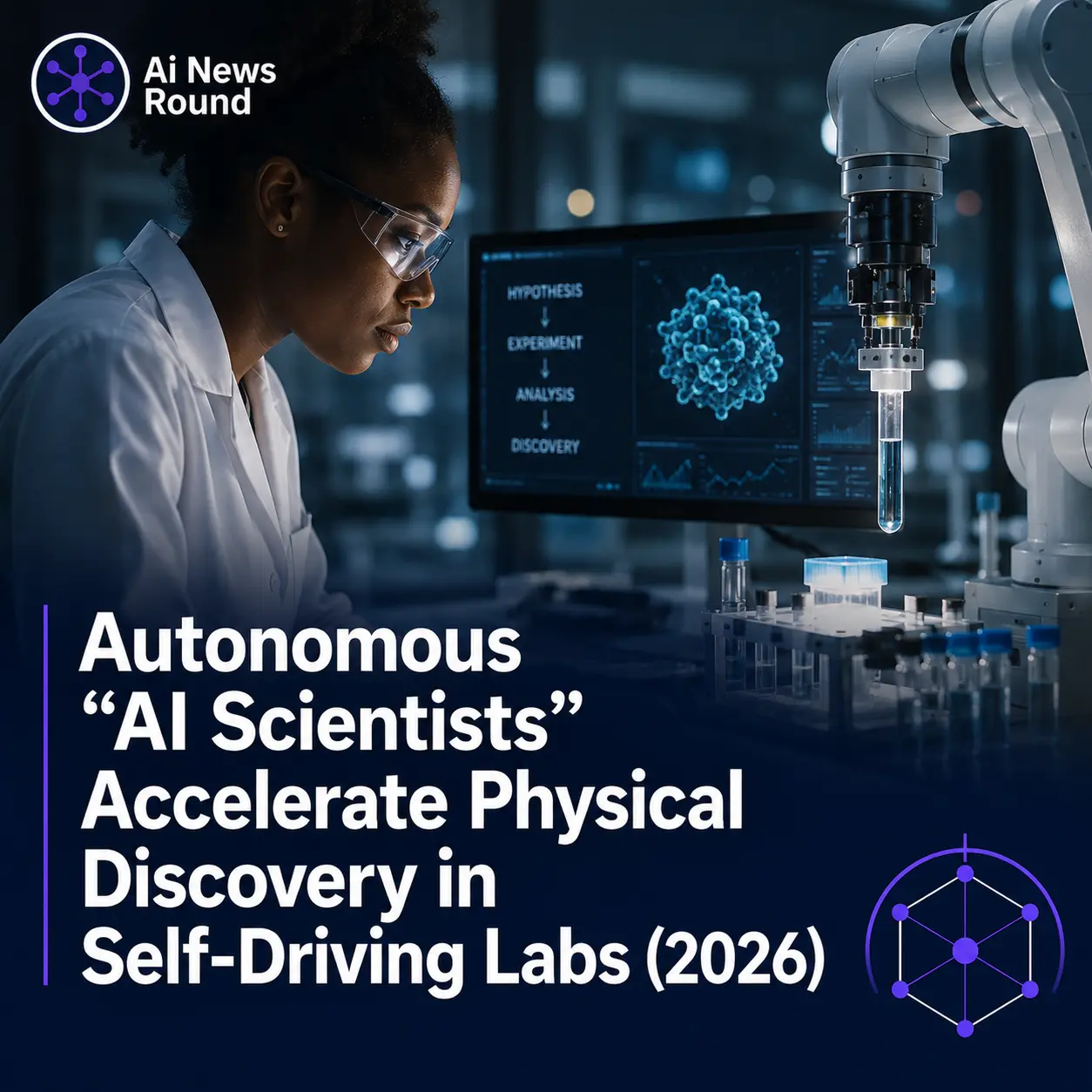
Across global research institutions and self-driving laboratories, Autonomous AI Scientists are taking over the experimental pipeline—independently formulating hypotheses, executing lab tests via connected hardware, and self-correcting results up to ten times faster than humanly possible.