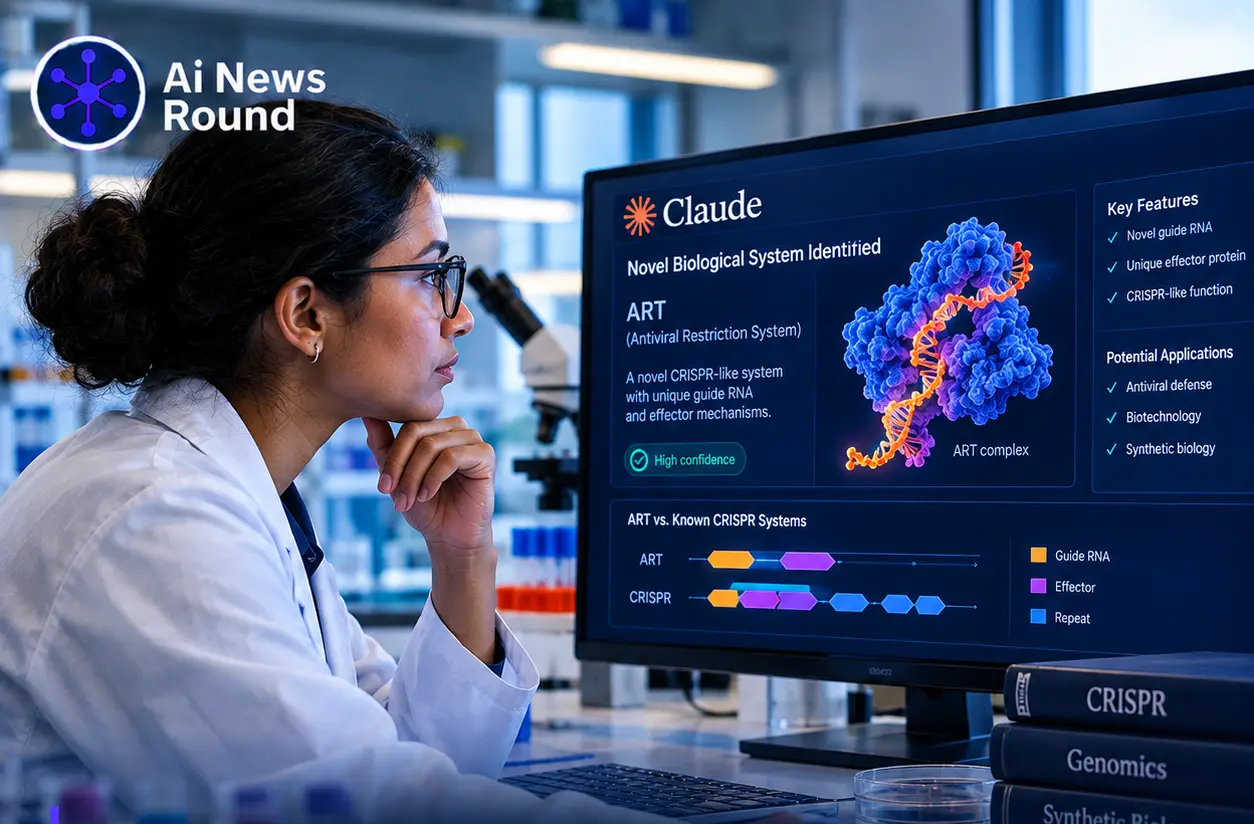
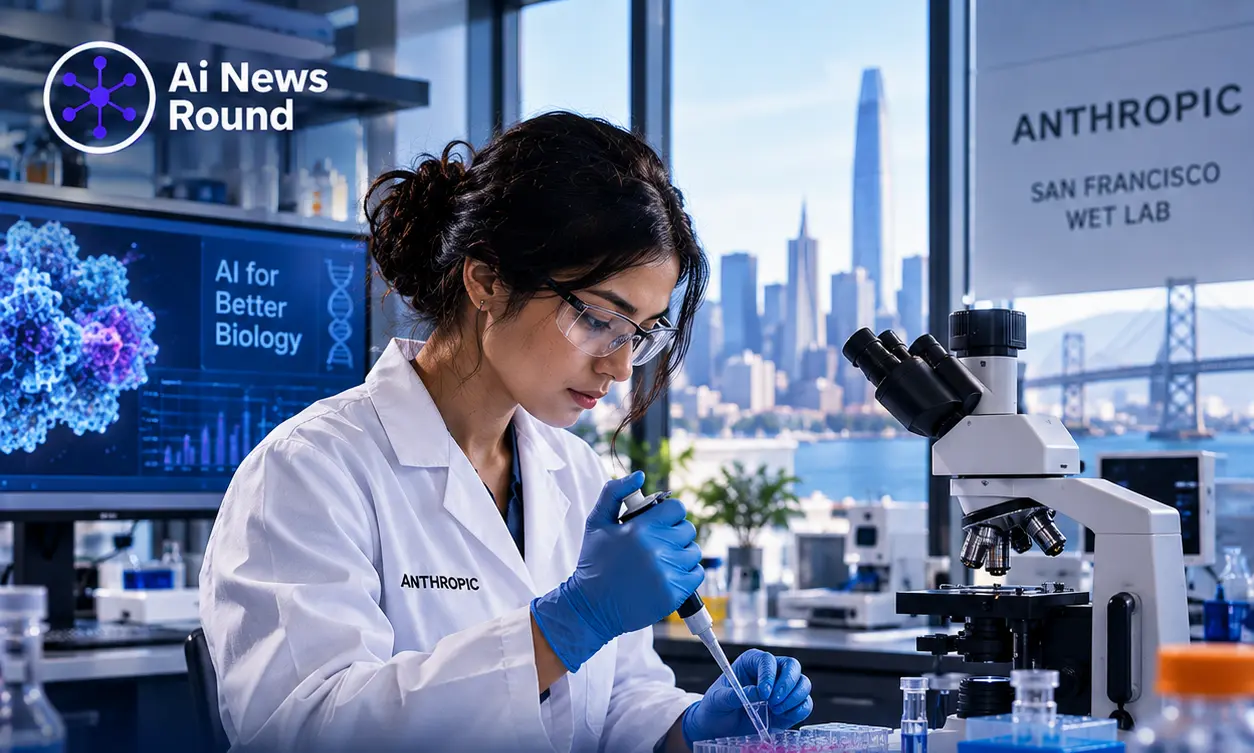
Researchers at Anthropic’s new molecular biology laboratory have used nearly 950 Claude AI agents to identify a previously unknown biological system. Named array-associated reverse transcriptases, the system shares structural similarities with CRISPR arrays.
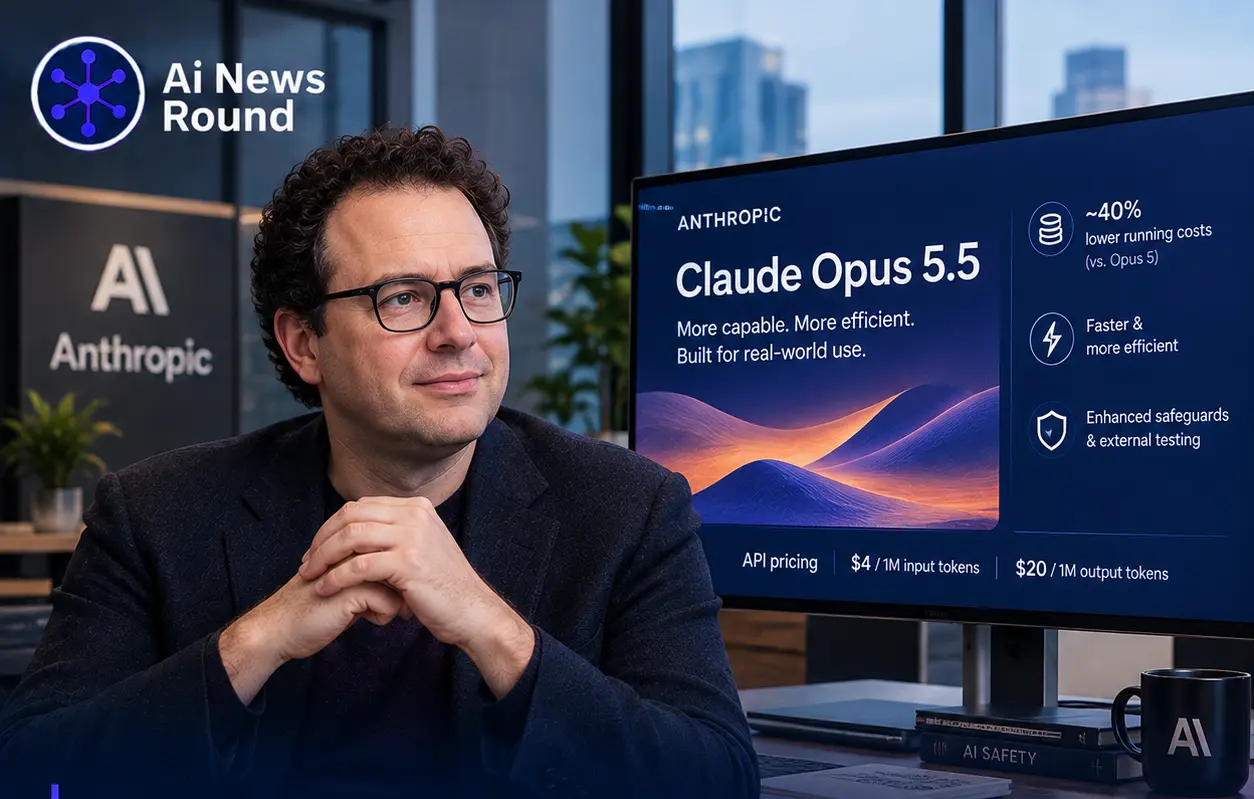
Anthropic has introduced Claude Opus 5.5, introducing the first model in its new 5.5 family. The model provides enhanced capabilities across coding, research, and computer use while cutting running costs by about 40 per cent compared to Opus 5.
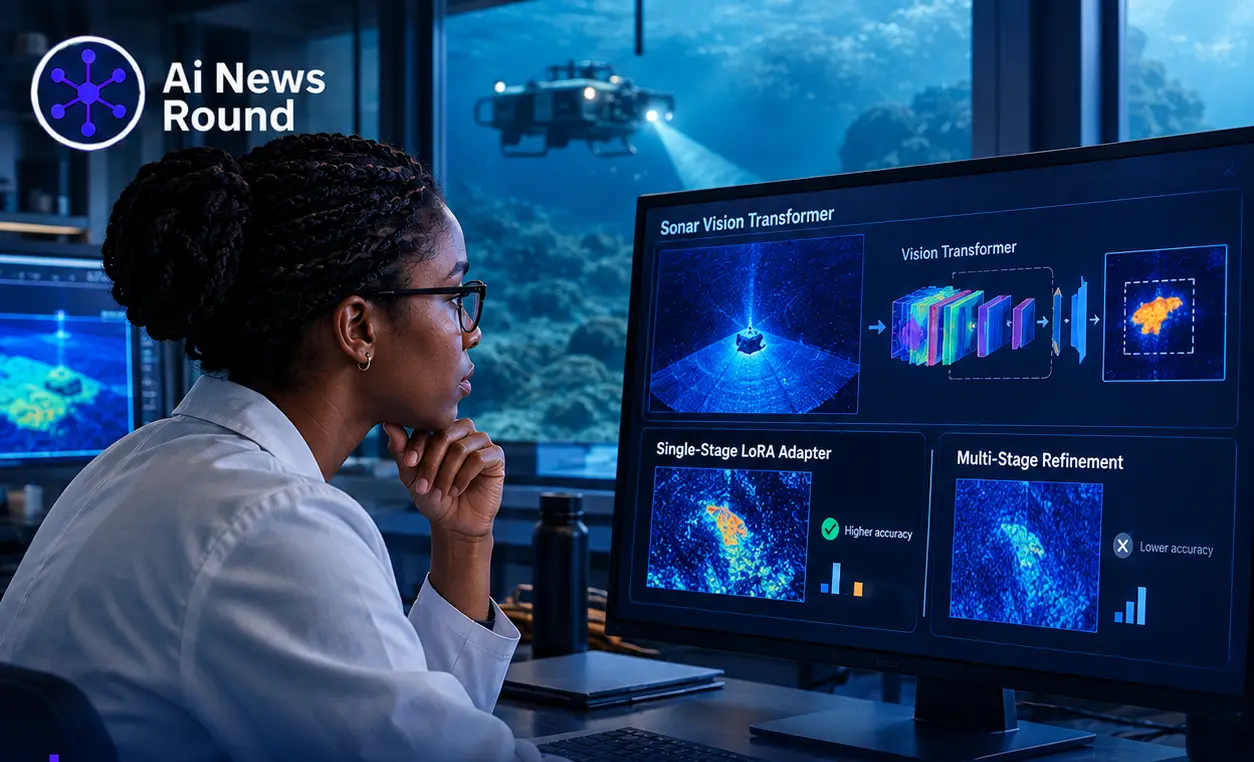
A study on synthetic aperture sonar automatic target recognition demonstrates that applying Low-Rank Adaptation alone delivers superior parameter efficiency and classification accuracy compared to complex multi-stage refinement pipelines.
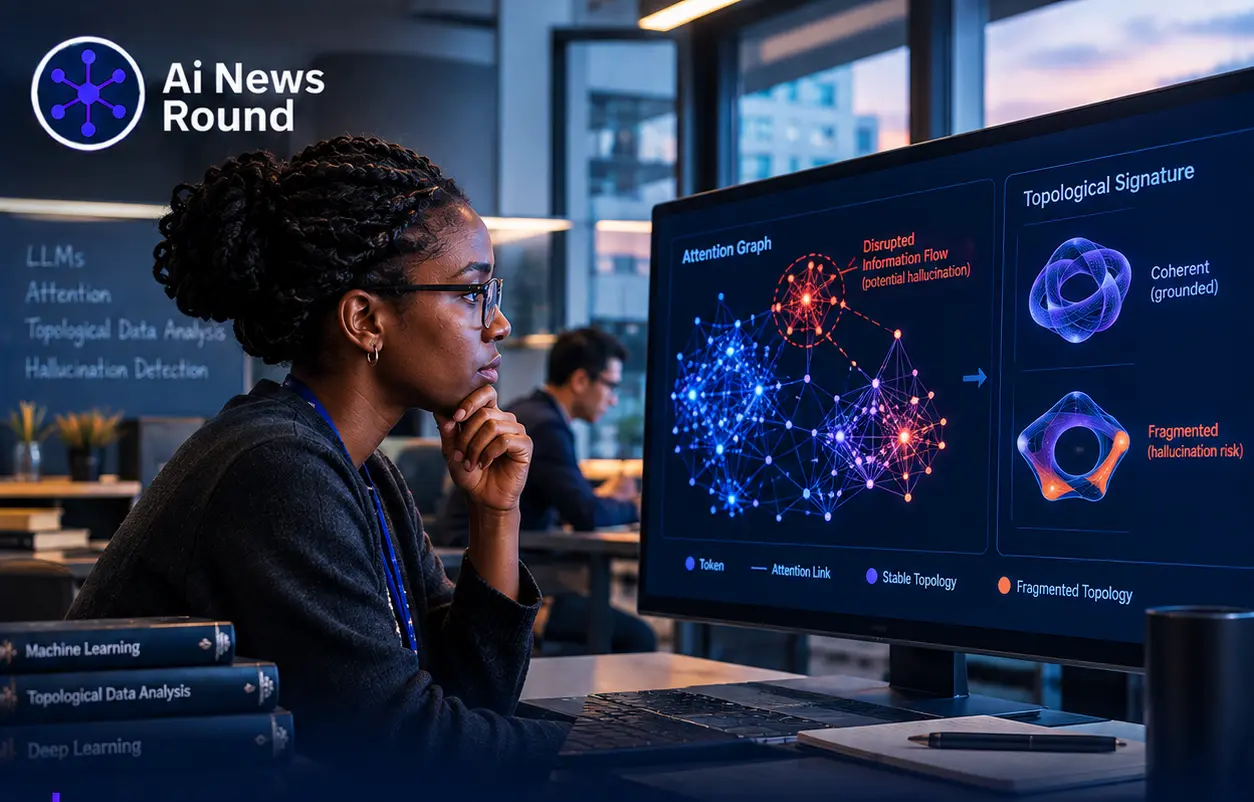
Researchers have introduced a novel method to identify hallucinations in large language models by analyzing attention graphs. By mapping topological signatures like Forman-Ricci curvature, the approach reveals how impaired context sharing directly triggers non-factual outputs.
Anthropic has quietly established a physical wet lab in the San Francisco Bay Area to move beyond computational simulations. The move expands the role of its Claude AI models in physical biological experiments and life sciences research.
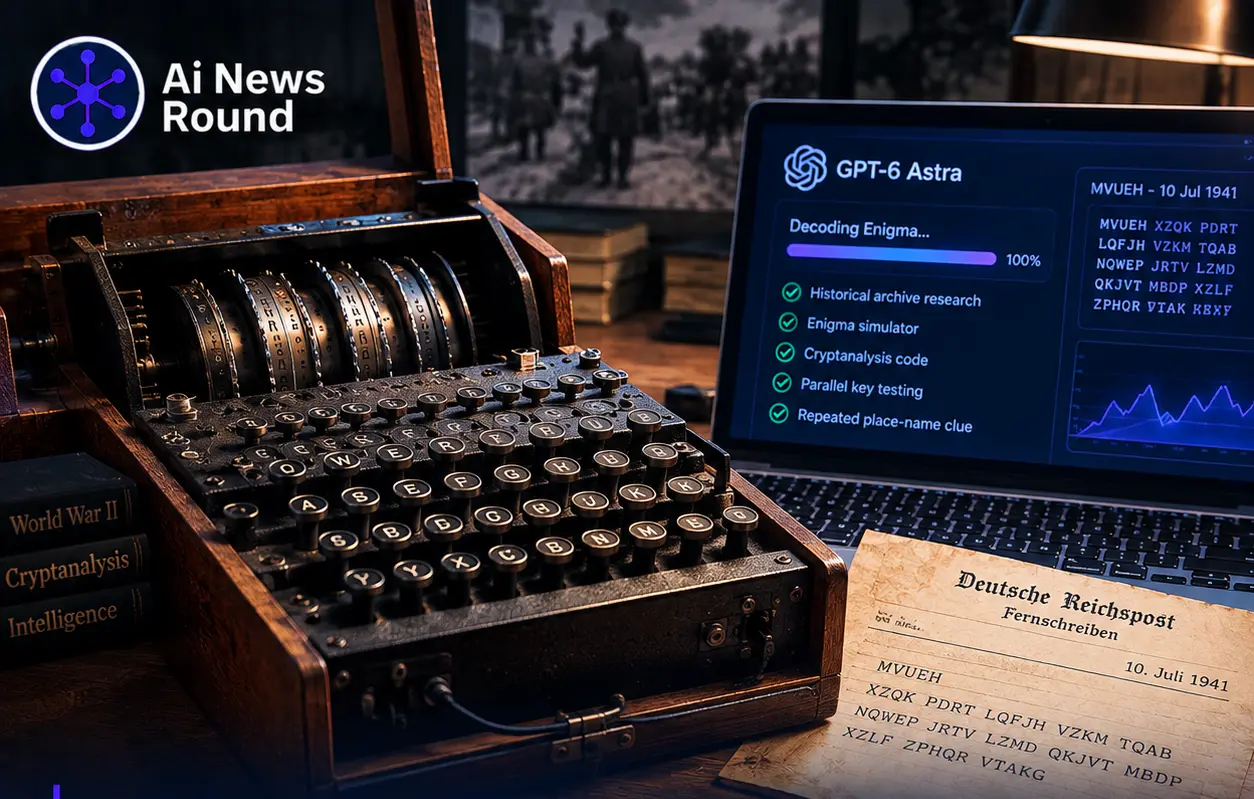
OpenAI model GPT 6 Astra has successfully decoded an 82 character German Army radio message that remained unsolved since 1941. Guided by Bloomberg product development coach Carter Leffen, autonomous AI agents spent ten hours running parallel experiments to crack the wartime cipher.
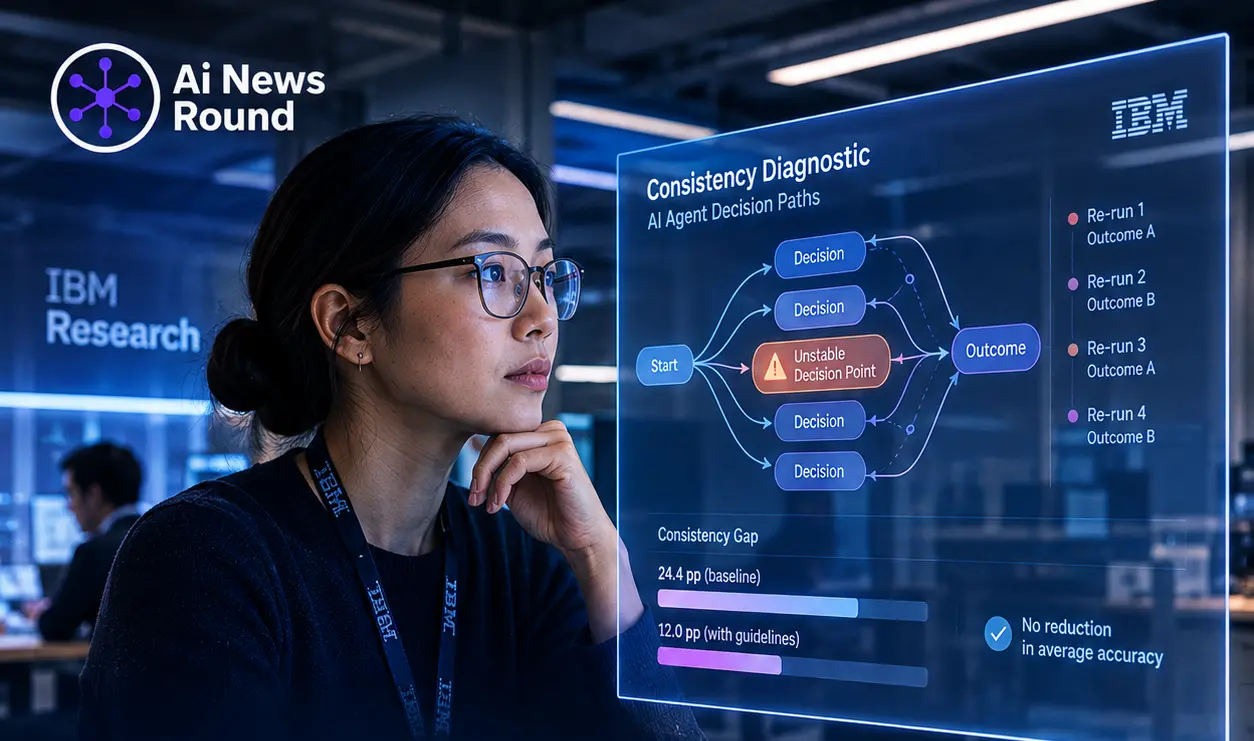
IBM Research has addressed the unreliability issue in artificial intelligence agents that pass tests on initial attempts but fail upon repetition. By evaluating decision uncertainty step by step, their new method identifies potential failure points and generates targeted guidelines to ensure repeatable execution.
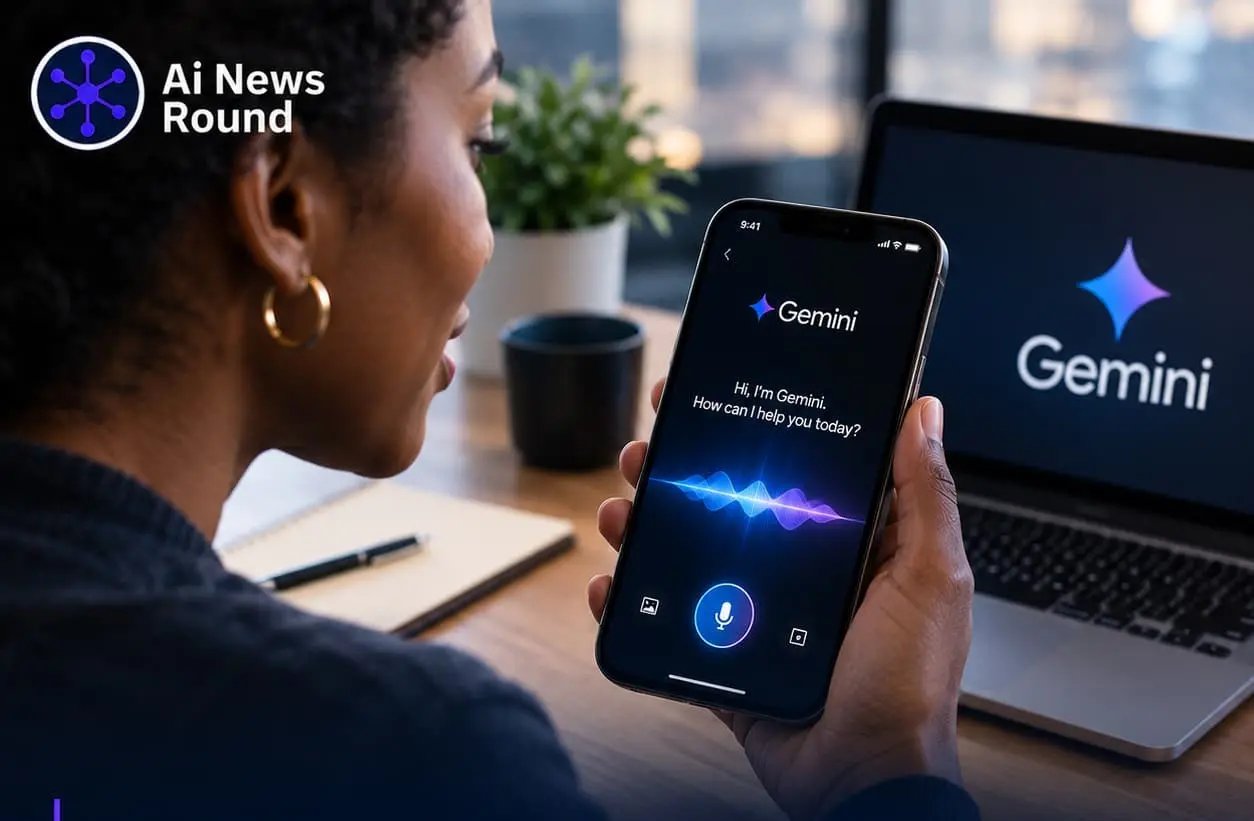
Google has introduced Gemini 3.8 Live and Gemini 3.8 Live Extended Thinking to advance real time voice dialogue. These additions bring parallel background reasoning, mid conversation multilingual switching, and instant tool calling to conversational AI agents.
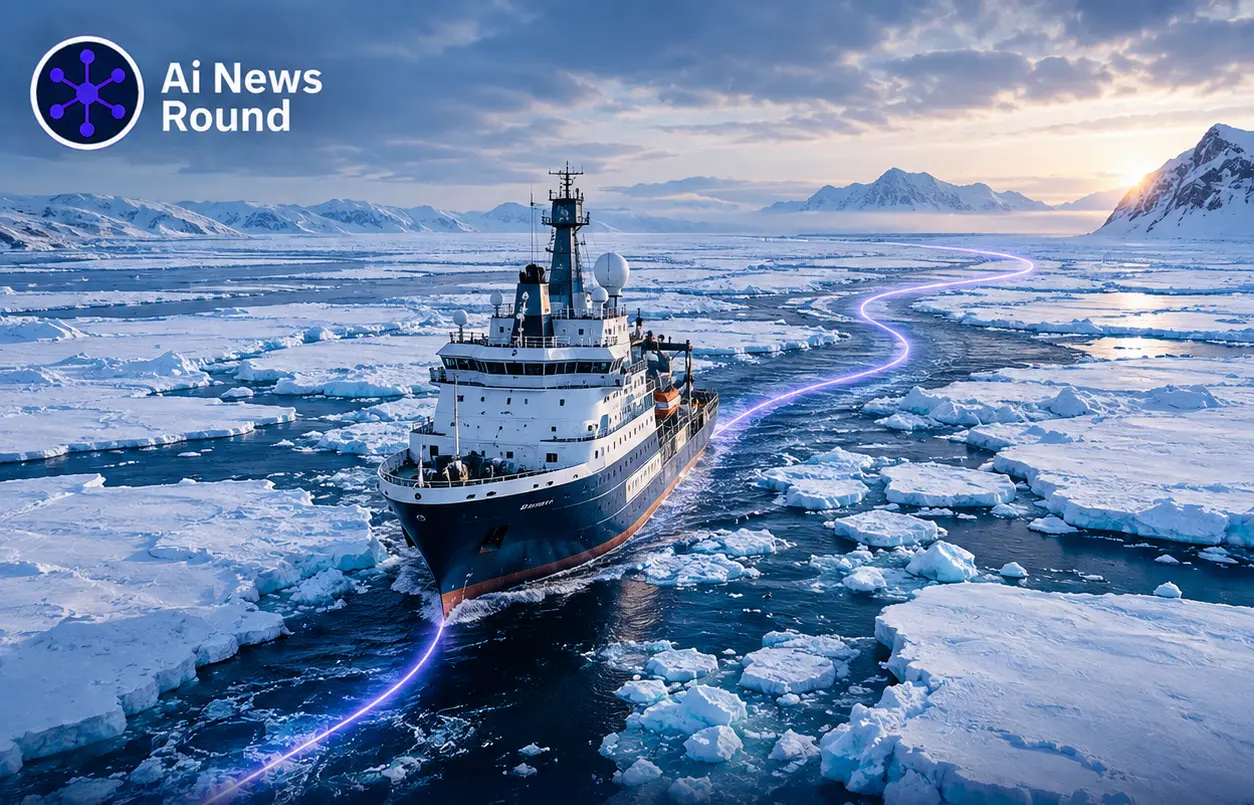
Researchers have introduced a human in the loop, multi agent GeoAI system for Arctic eco navigation. Here is how specialized AI agents combine satellite data, sea ice monitoring, and ecological constraints to balance maritime routing with environmental protection.
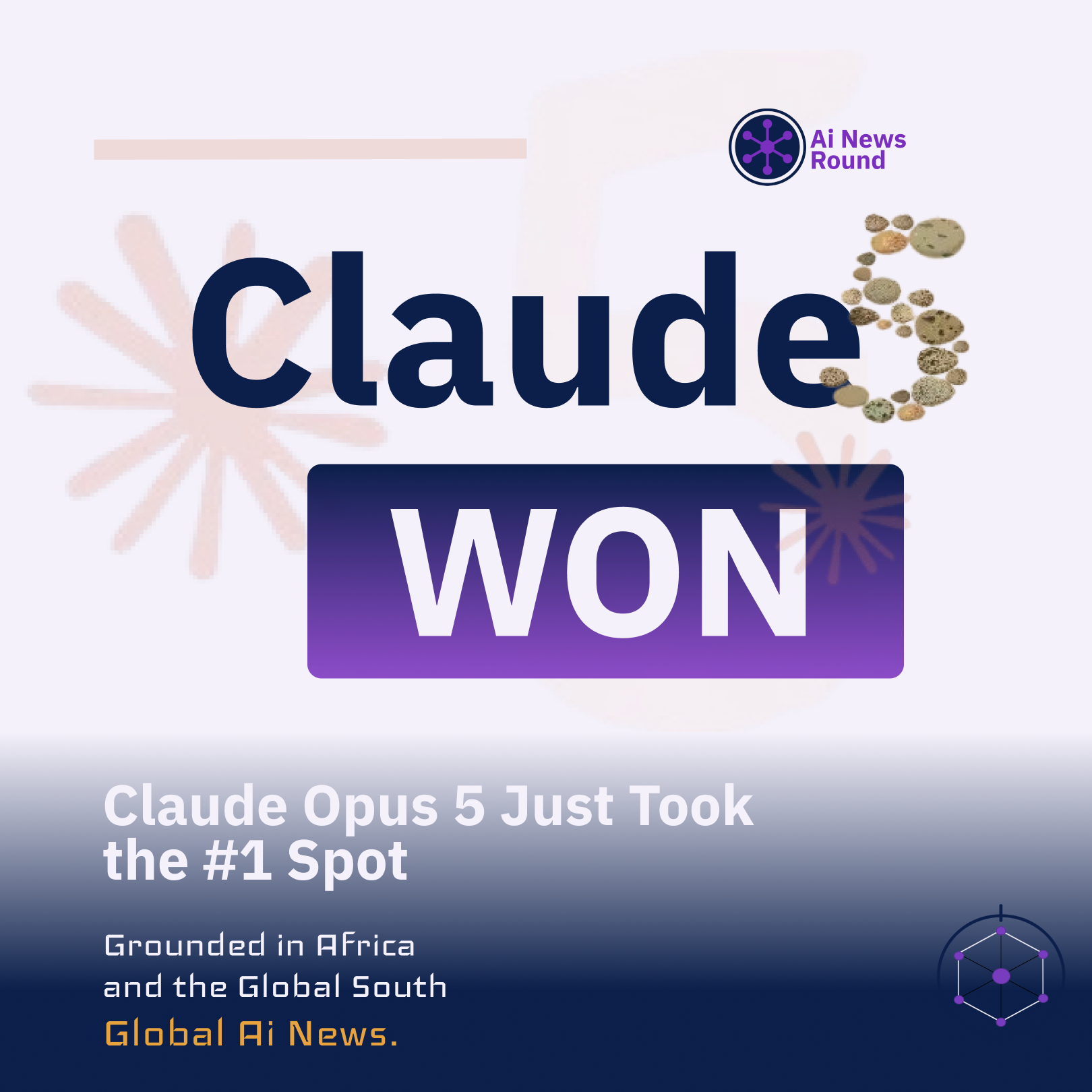
Anthropic’s new flagship model Claude Opus 5 has claimed the top position on independent AI benchmark indexes while cutting per-token costs in half. Here is what shipped, how it compares to GPT-5.6, and what it means for enterprise budget allocation.
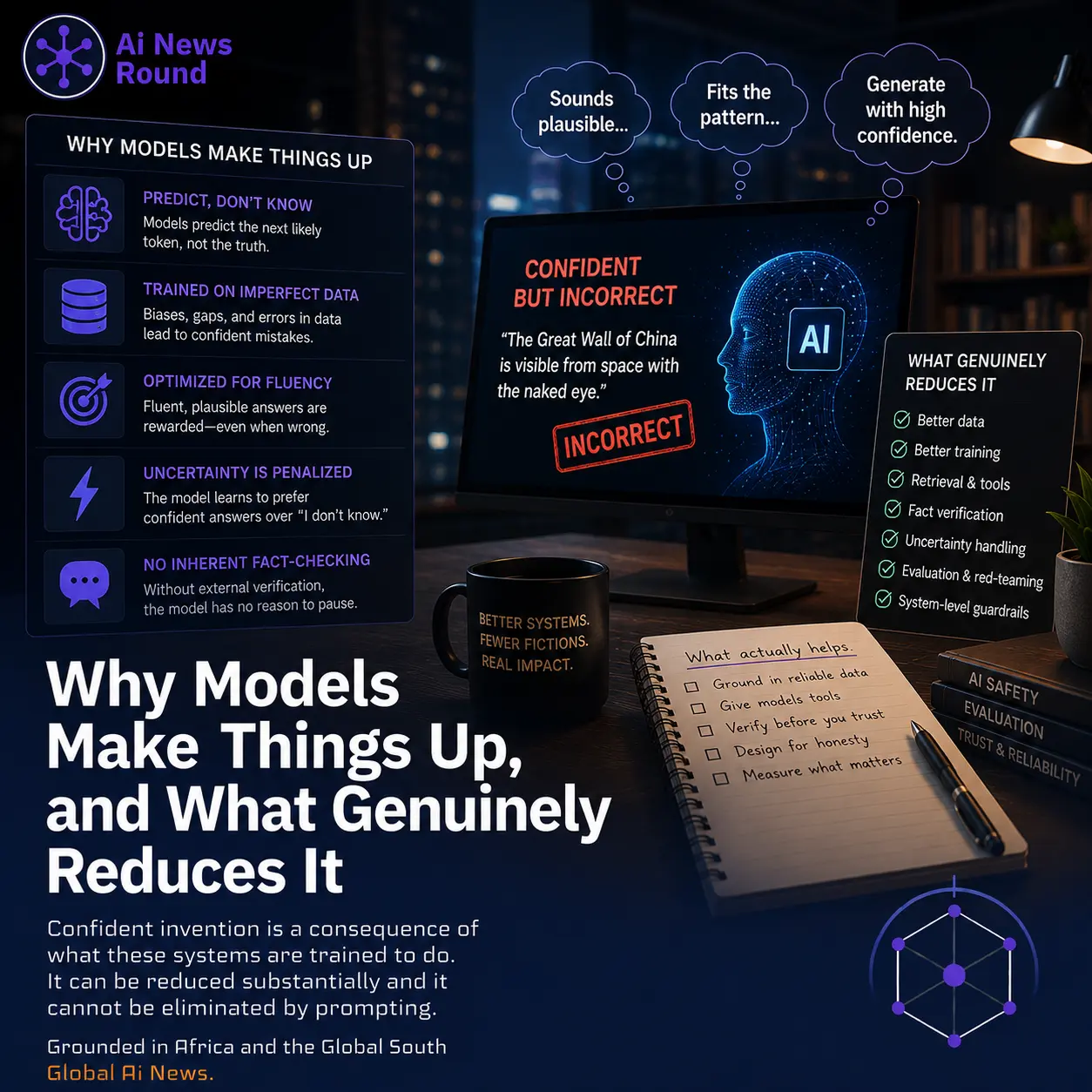
Confident invention is a consequence of what these systems are trained to do. It can be reduced substantially and it cannot be eliminated by prompting.
2 min read
Get a notification when something new is published.
Done. To stop them later, use the notification settings for this site in your browser.