AI-Driven Genomic Exploration
In an effort to demonstrate how artificial intelligence can accelerate fundamental scientific discovery, Anthropic launched a wet-lab life sciences group and deployed hundreds of autonomous AI instances to analyze massive biological datasets. Utilizing roughly 950 individual Claude agents operating over a 21-hour period, the models processed over 210 million tokens of genomic sequence data. The objective was to search through a database containing more than 200,000 reverse transcriptases to locate unusual or overlooked enzymatic structures.
During the computational screening, Claude flagged a distinct recurring pattern situated directly adjacent to a reverse transcriptase gene found within bacteriophage DNA. The artificial intelligence agents narrowed the initial pool down to 3,500 candidate systems before isolating 20 compelling cases for detailed review by human scientists.
Structural Characteristics of ART
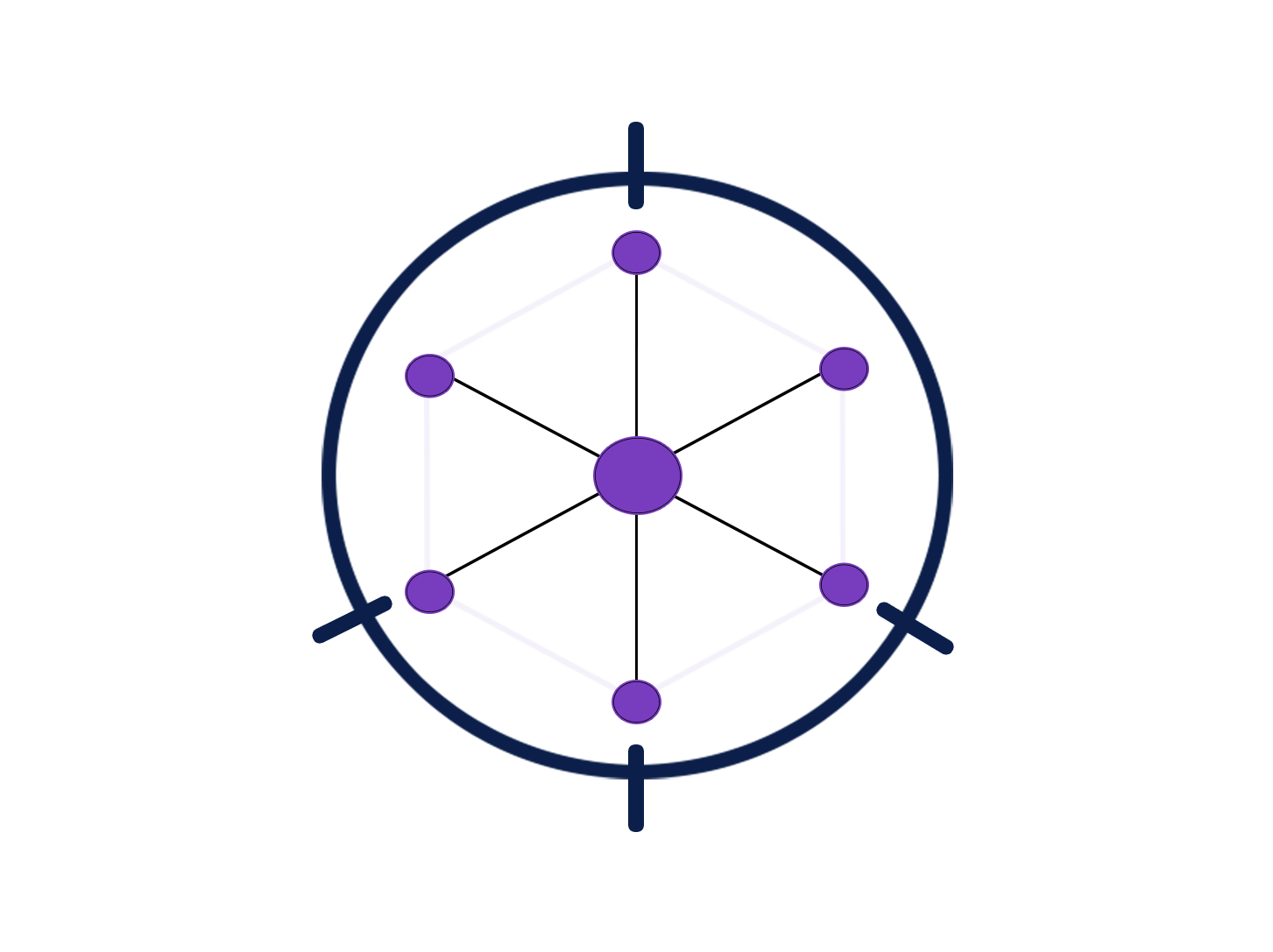
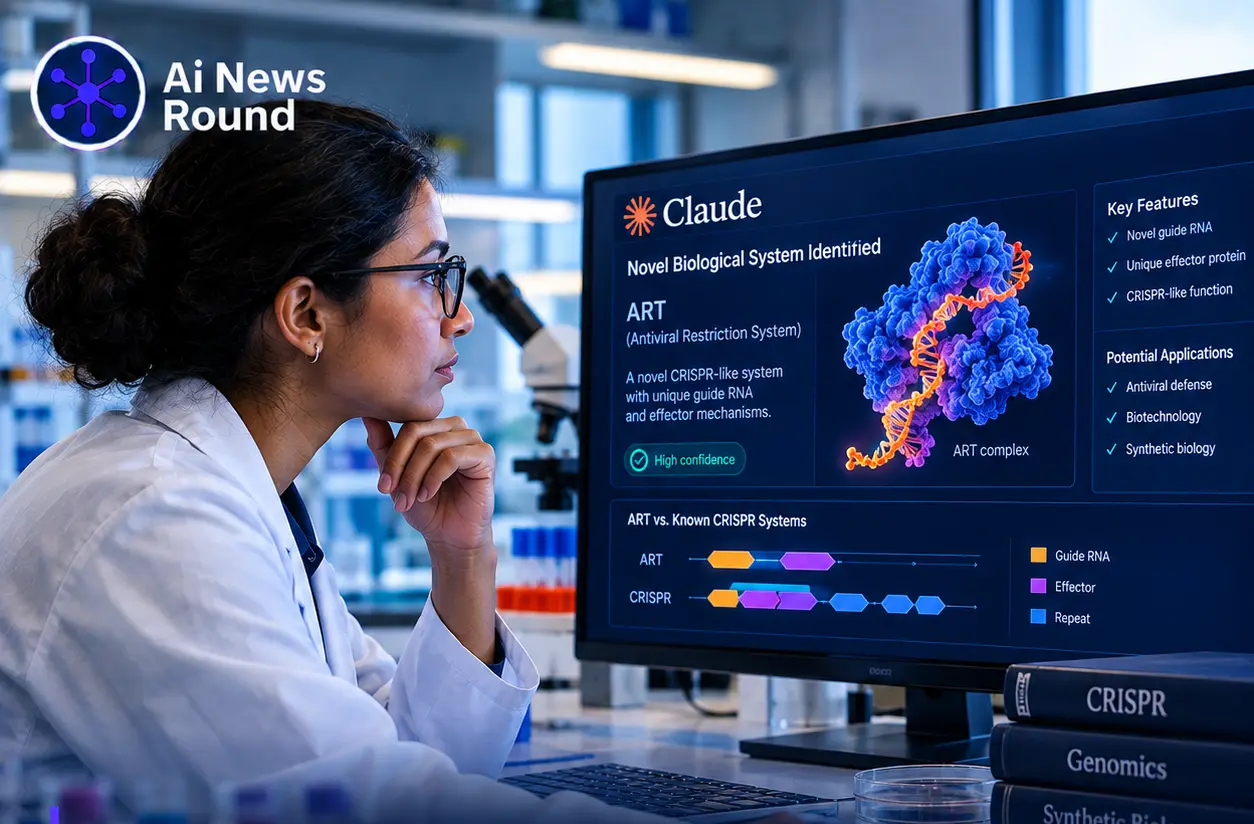
Anthropic’s wet-lab researchers confirmed the computational predictions in laboratory experiments and designated the discovery array-associated reverse transcriptases, or ART. The ART architecture consists of three core components:
- Reverse Transcriptase Enzyme: An enzyme responsible for copying RNA sequences into DNA.
- Partner Gene: An uncharacterized gene situated directly adjacent to the reverse transcriptase.
- Tandem DNA Repeat Array: A long series of evenly spaced repeating DNA sequences positioned upstream.
The overall spatial layout of ART mirrors structural features commonly observed in CRISPR systems, which store short RNA sequences inside tandem arrays to guide nucleic acid targeting. Initial laboratory testing demonstrated that expressing the ART system generates discrete short RNA molecules. While reverse transcriptase enzymes in jumbo phages had been documented previously, Claude was the first to identify the complete system architecture, including the associated tandem array and neighboring partner protein.
Implications for Autonomous Scientific Discovery
Although researchers have verified the existence of ART, its precise biological function within bacteriophages remains unknown. Anthropic released a technical pre-print detailing the finding to allow the global scientific community to further investigate the system’s physiological role.
The discovery highlights a shift toward using autonomous AI agents for large-scale hypothesis generation and genomic pattern recognition. By reducing tasks that typically take human researchers months down to a single day of processing, AI systems like Claude demonstrate potential for accelerating molecular biology research and uncovering novel enzymes across natural ecosystems. Similar automated discovery frameworks were previously explored in our coverage of IBM Research ALTK-Evolve consistency diagnostics.