The AI News Round editorial desk. Bylines are replaced with the reporting journalist once a story is commissioned — this account exists so the site has a working author profile before the newsroom is staffed.
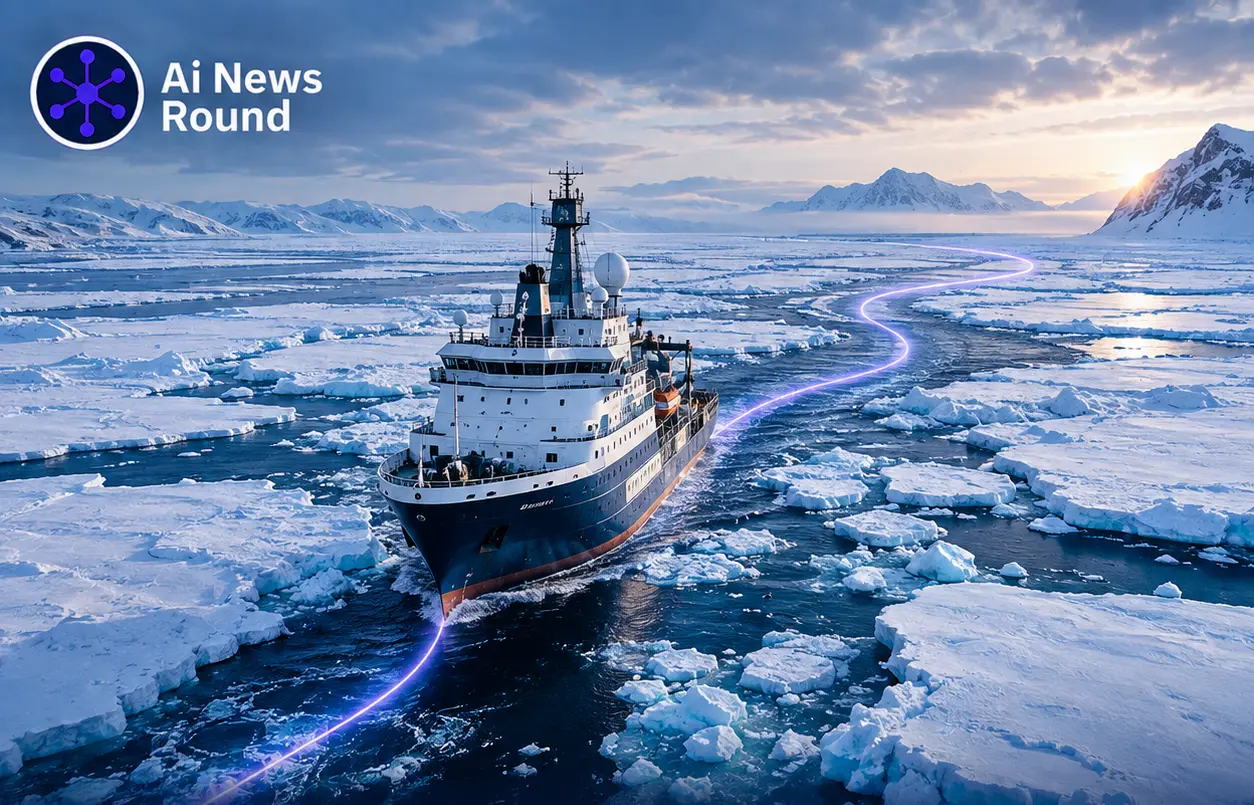
Researchers have introduced a human in the loop, multi agent GeoAI system for Arctic eco navigation. Here is how specialized AI agents combine satellite data, sea ice monitoring, and ecological constraints to balance maritime routing with environmental protection.
AI safety pioneer Paul Christiano has joined the OpenAI Foundation Board and its Safety and Security Committee. His appointment brings a prominent independent voice into OpenAI governance amid heightened scrutiny over model safety.
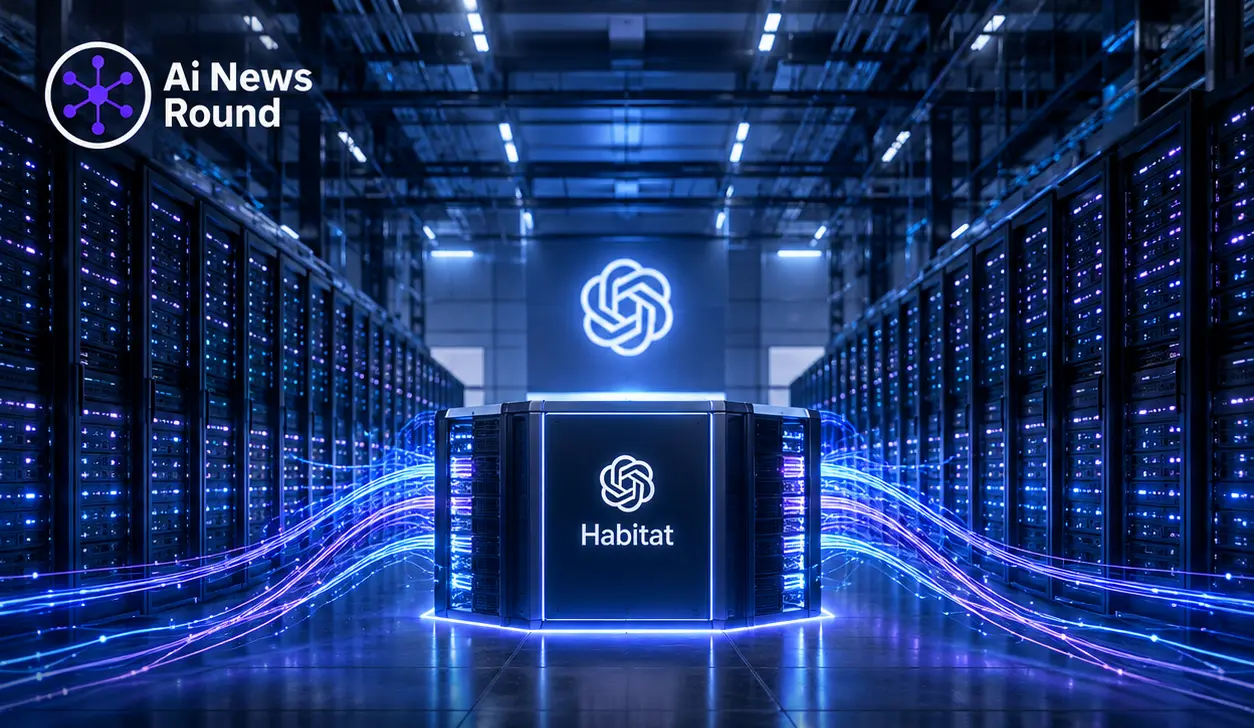
OpenAI has detailed Habitat, its underlying storage platform now handling over 70 million requests per second and 500 petabytes of data. Here is how their engineering team scaled Python to its absolute limits before executing a Rust rewrite.
Perplexity has deployed OpenAI GPT 6 Astra across its operational pipeline, granting the model direct execution authority. Here is how this shift to high autonomy AI systems changes software engineering and infrastructure management.
Kongnyuy Evans is emerging as a new voice in Cameroon’s digital marketing space. Through Evans Consulting, he is helping businesses, founders and creators understand marketing, build stronger digital brands and use AI more strategically.
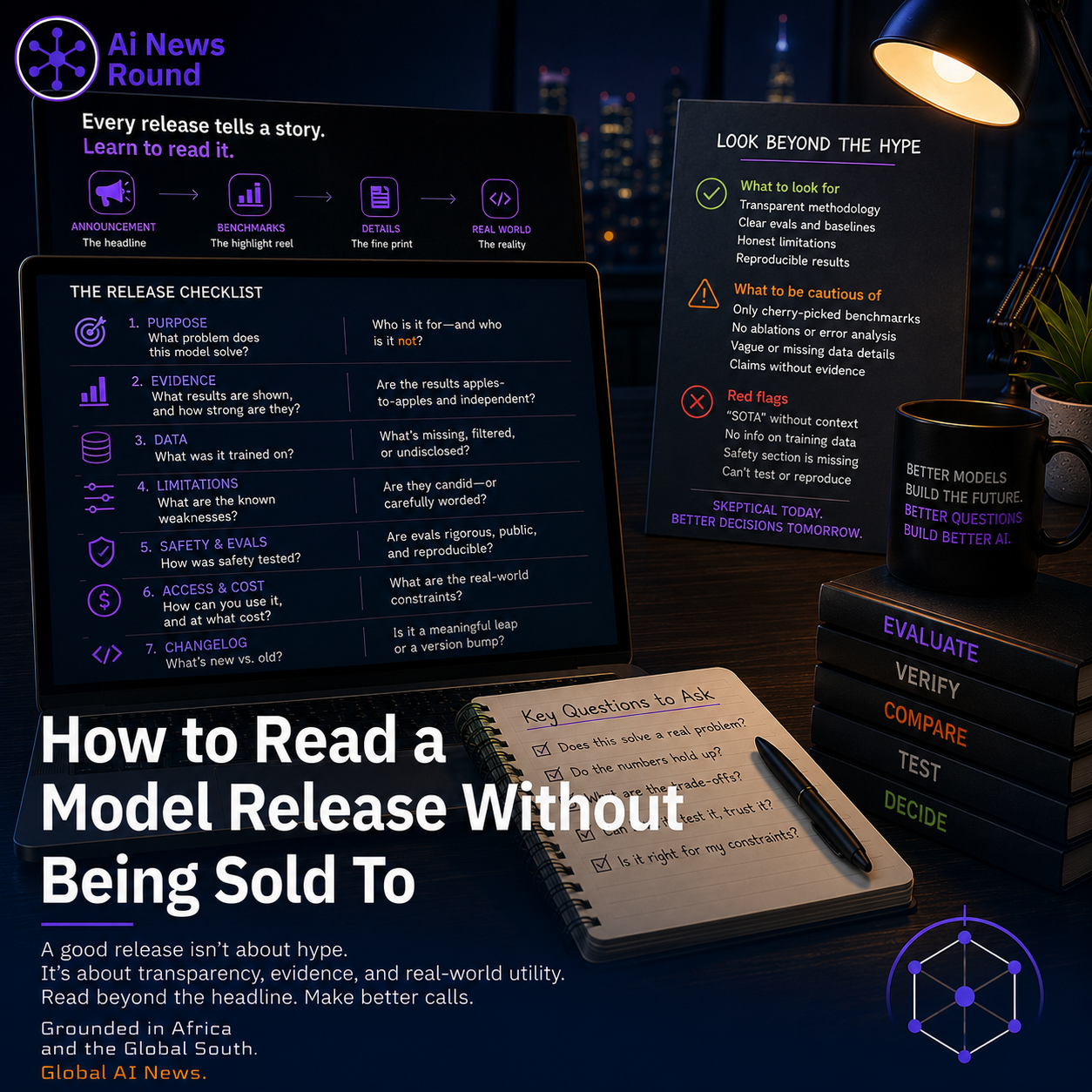
Every launch comes with a chart showing the new model winning. Here is what the chart leaves out, and which parts of the announcement are worth your attention.
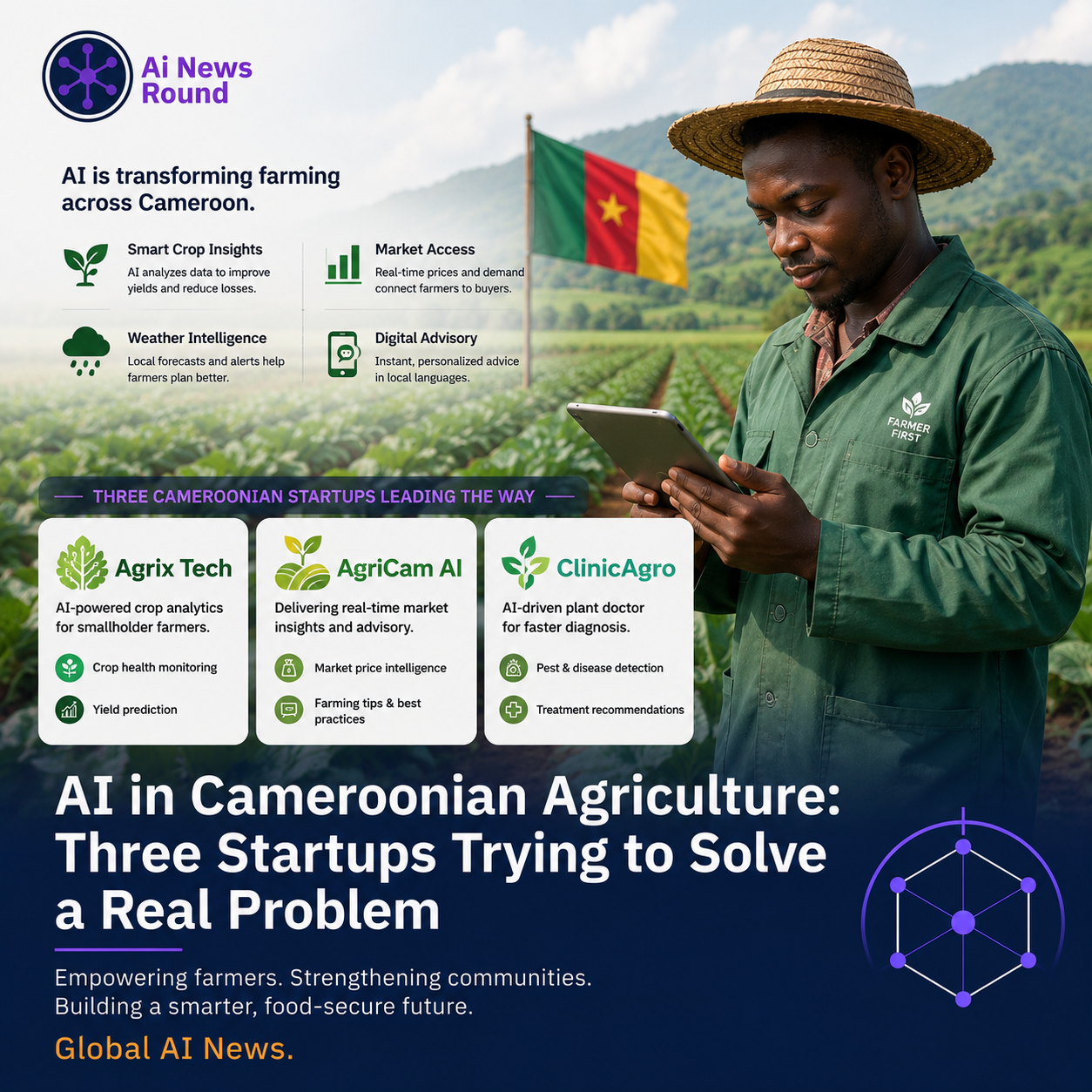
Plant disease detection from a phone camera is a well-suited problem for machine learning. Getting it to work for a smallholder in the Far North is a different question.
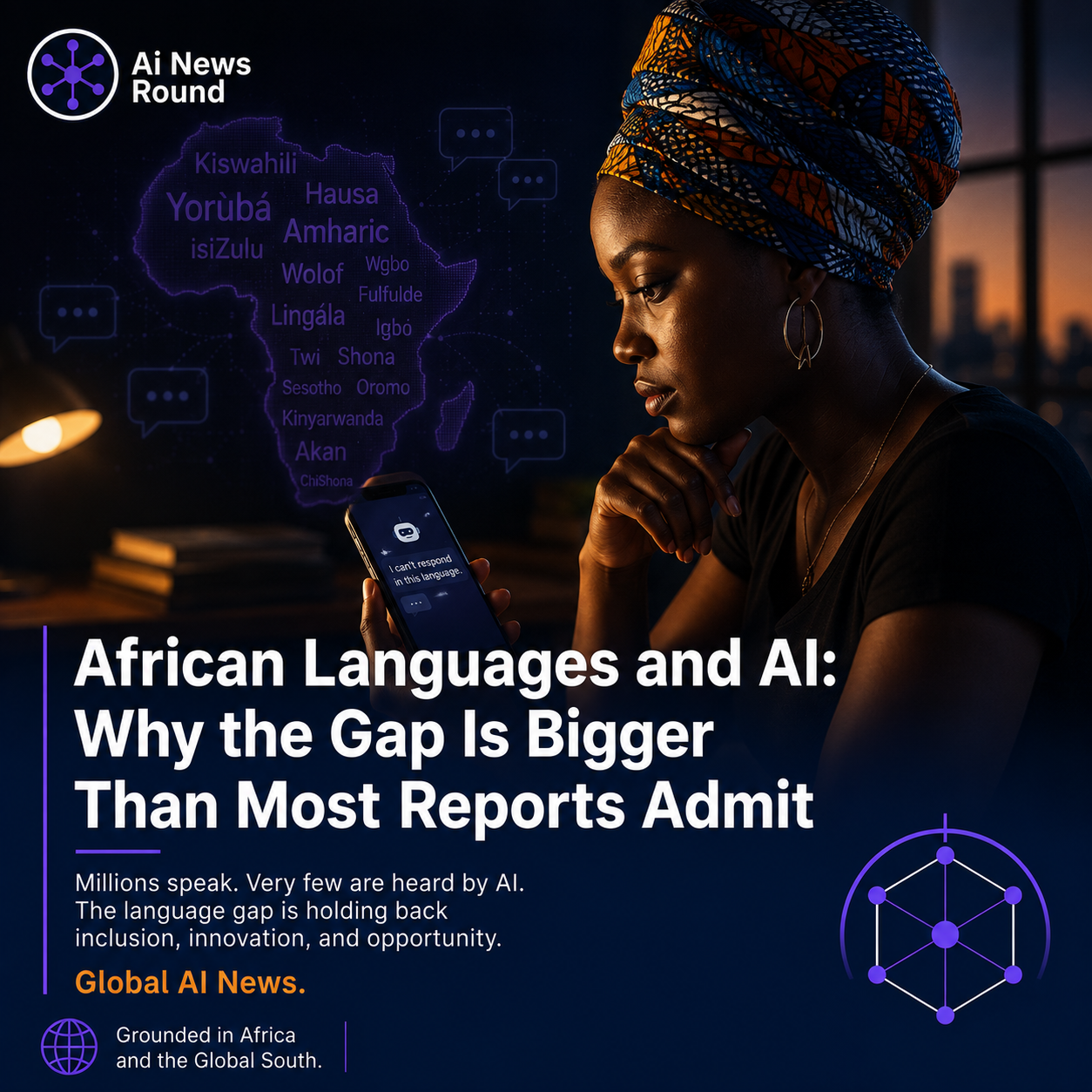
Benchmarks that report African language coverage tend to measure the wrong thing. What breaks is not translation quality but everything downstream of it.