
The Infrastructure Engine Behind ChatGPT
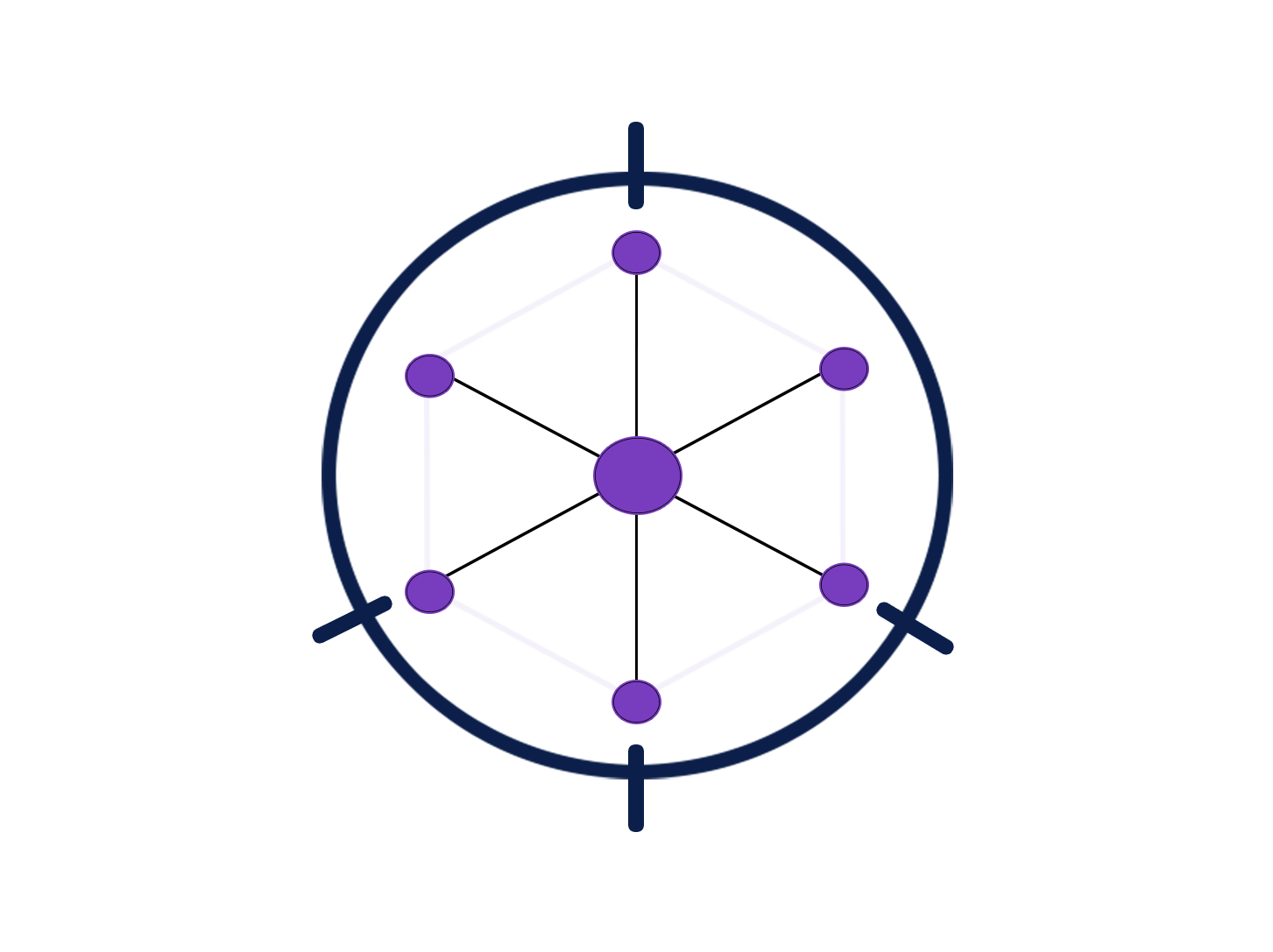
OpenAI recently published an engineering deep dive detailing Habitat, the internal storage platform supporting ChatGPT and Codex across nearly 40 geographic regions. Operating at a scale of 70 million requests per second and managing more than 500 petabytes of data, Habitat serves over 1 billion weekly users.
According to the technical breakdown on the OpenAI Engineering Blog, Habitat originally launched during DevDay 2023 as a lightweight Python client side library connected to Azure Cosmos DB. As user demand expanded by more than 10x year over year, maintaining Habitat as a client library created severe deployment bottlenecks across dozens of internal services. OpenAI responded by decoupling the library into a standalone centralized service to standardize data security, audit logging, and connection management.
Pushing Python Services to the Limit
Running a high throughput storage platform in Python required solving several subtle tail latency and concurrency challenges before the team transitioned to lower level languages:
Asyncio Scheduling Delay: Background CPU intensive tasks, such as unjittered feature flag parsing across worker processes, caused periodic event loop stalls that inflated request latencies.
Connection Pool Feedback Loops: Default LIFO connection pooling in HTTP clients created metastable failures under high load by repeatedly selecting overloaded servers. Switching to FIFO connection reuse broke the feedback loop and stabilized variance.
Thundering Herd Mitigation: Deploying strict load shedding, targeted caching layers, and request shaping prevented cascading traffic surges from flooding downstream databases.
The Rust Rewrite and AI Assisted Refactoring
While optimization extended Python's operational lifespan, OpenAI ultimately executed a full rewrite of the Habitat service in Rust. Using internal AI models to assist two core engineers during the rewrite, the new Rust service achieved a 6x increase in CPU efficiency and a 15x reduction in memory consumption.
The Rust implementation now processes 95% of production storage requests, effectively deprecating the legacy Python serving layer while maintaining direct integration with underlying storage engines like Azure Cosmos DB. Similar engineering shifts toward low level languages were detailed in our recent coverage of Perplexity and GPT 6 Astra.
What It Means for You
For infrastructure leaders and system architects, OpenAI's post demonstrates that decoupled, centralized data abstractions are critical when scaling past rapid growth phases. The core lesson is to exhaust tactical application layer optimizations (such as connection pool dynamics and event loop hygiene) to buy time before undertaking fundamental database or language migrations.