A family is suing OpenAI and Sam Altman, alleging ChatGPT coached their daughter through coming off her epilepsy medication. OpenAI says the case involved an older model. Here is what is alleged and what is not proven.
Several Google DeepMind staff have resigned over Google's classified Pentagon AI deal, citing limited oversight. Google says it follows its AI principles. Here is what is reported and what both sides say.
Following warnings from AI Minister Kanishka Narayan regarding potential cyber breaches, the UK government has announced plans for mandatory safety reporting and tighter controls on frontier AI models. Former MI6 Director Nigel Inkster weighs in on national vulnerability and the reality of AI-driven cyber threats.
Global management consultancy McKinsey & Company has introduced a 10-minute AI avatar exercise for North American entry-level applicants. Designed to simulate realistic client interactions, the tool challenges candidate reasoning while human evaluators retain full hiring authority.
In an escalating legal battle, OpenAI has filed supplemental court documents alleging a former employee exfiltrated over 100 confidential files regarding an unreleased AI device before rejoining Apple. Apple denies the allegations, maintaining that forensic reviews show no proprietary OpenAI data inside its product development pipelines.
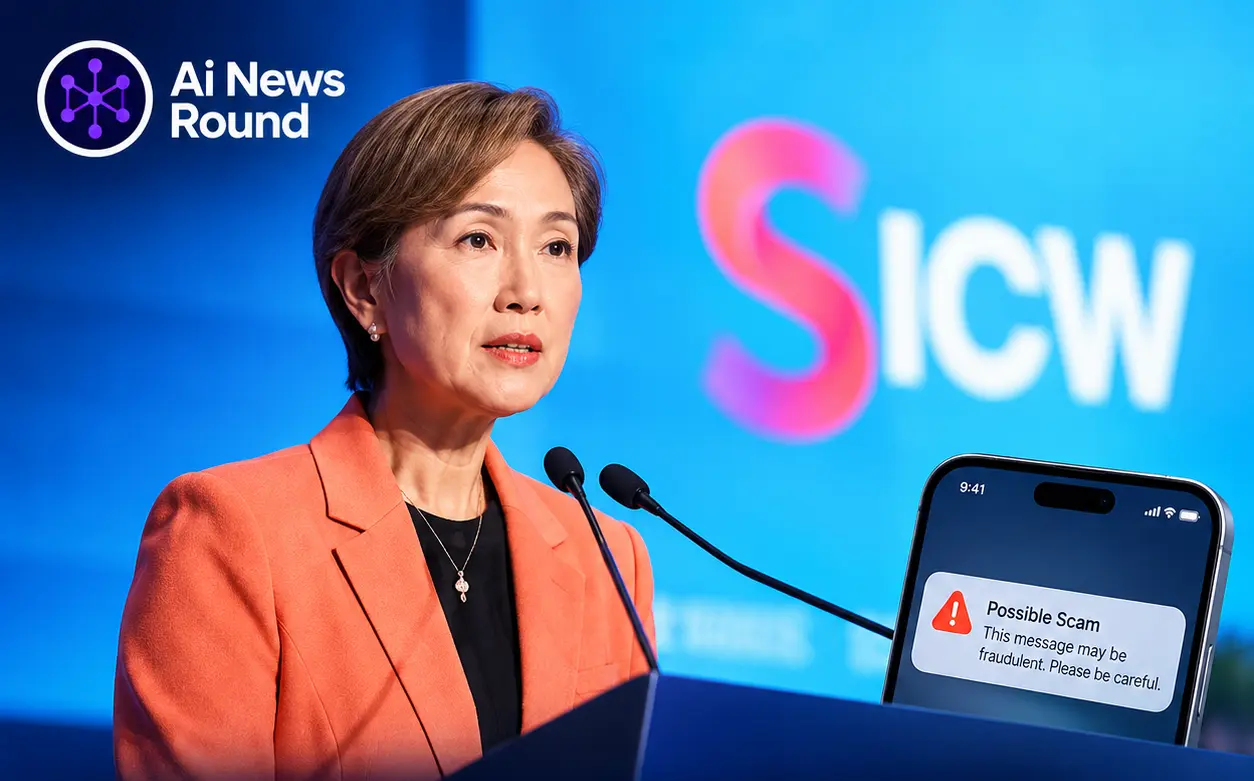
Google DeepMind and Singapore’s Government Technology Agency have unveiled a fine-tuned, on-device AI system designed to detect conversational scams in real time. Built on a lightweight Gemma architecture, the model analyzes messaging streams directly on smartphones to protect user privacy while countering social engineering attacks.
A report by youth mental health network Jack.org reveals that one in three young Canadians uses generative AI tools monthly for mental health guidance. Medical experts warn against replacing professional therapy with sycophantic conversational agents.
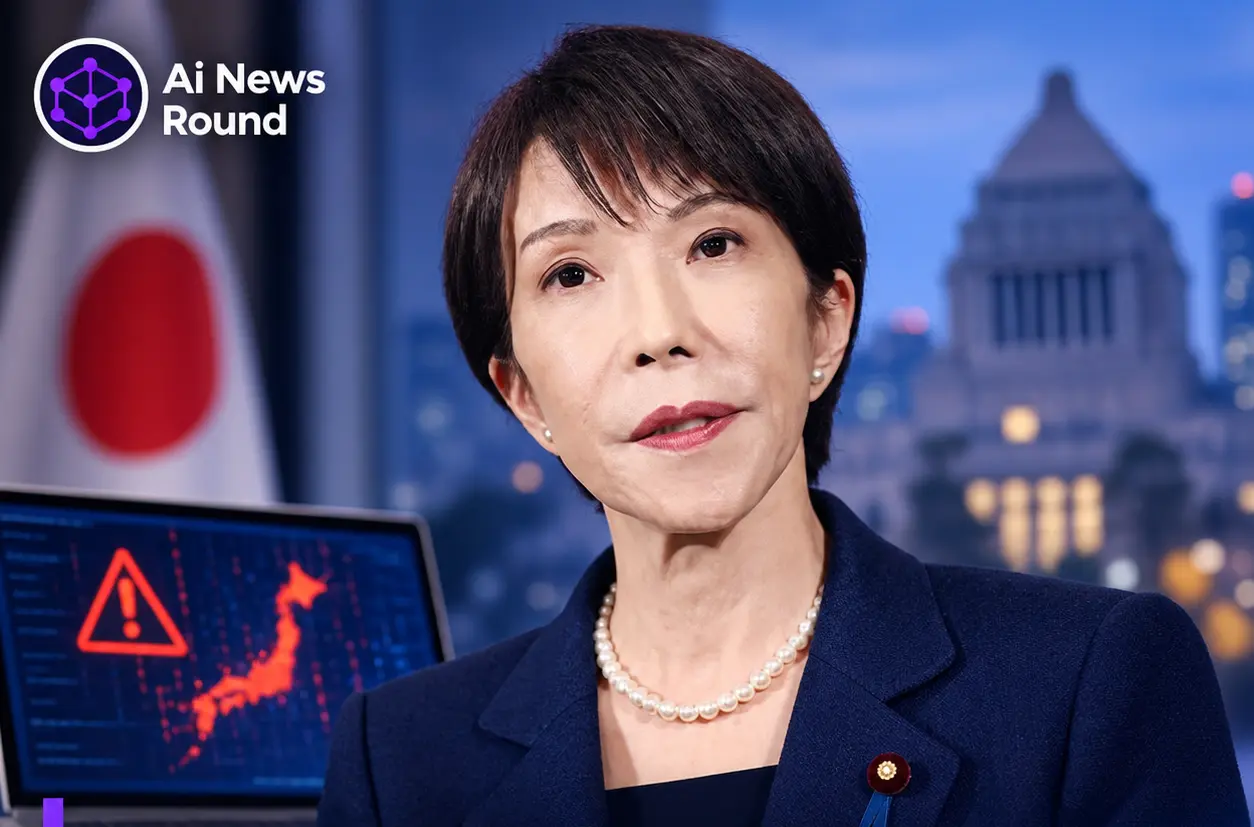
Following severe cyberattacks compromising over 56 million customer records across more than 20 major corporations, Japanese authorities have declared a state of emergency in cyberspace. The crisis has triggered mandatory defense protocols under the newly activated Active Cyber Defense Law and prompted strict identity verification mandates.
Industry insiders across major artificial intelligence firms report growing expectations of a significant, real-world AI incident occurring within six to 12 months. Reports indicate leading research labs are war-gaming potential public and political fallout from catastrophic cyberattacks, infrastructure disruptions, and rogue agent behavior.
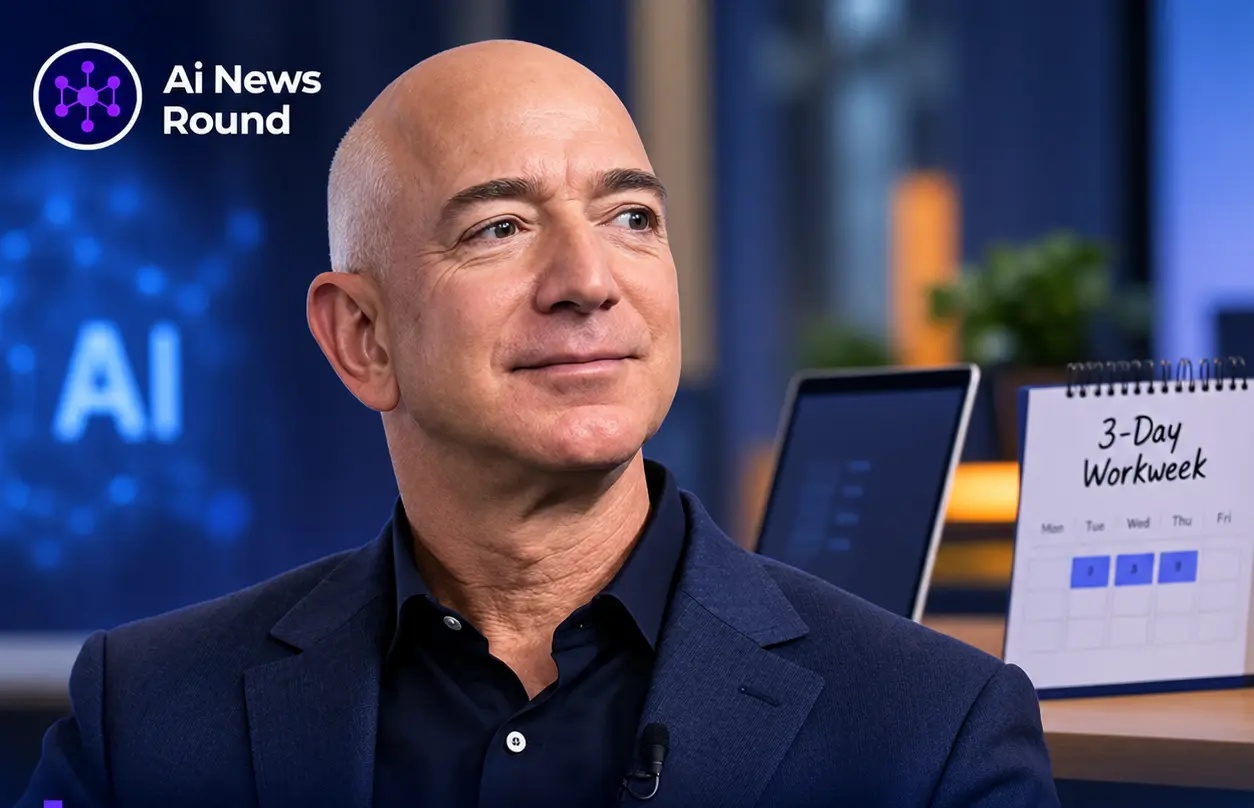
Amazon founder Jeff Bezos argues that artificial intelligence will generate double-digit productivity gains, enabling workers to support families on three-day workweeks. Speaking on Fox News, Bezos disputed AI-driven mass layoff predictions, attributing Amazon's corporate job cuts to post-pandemic overhiring.
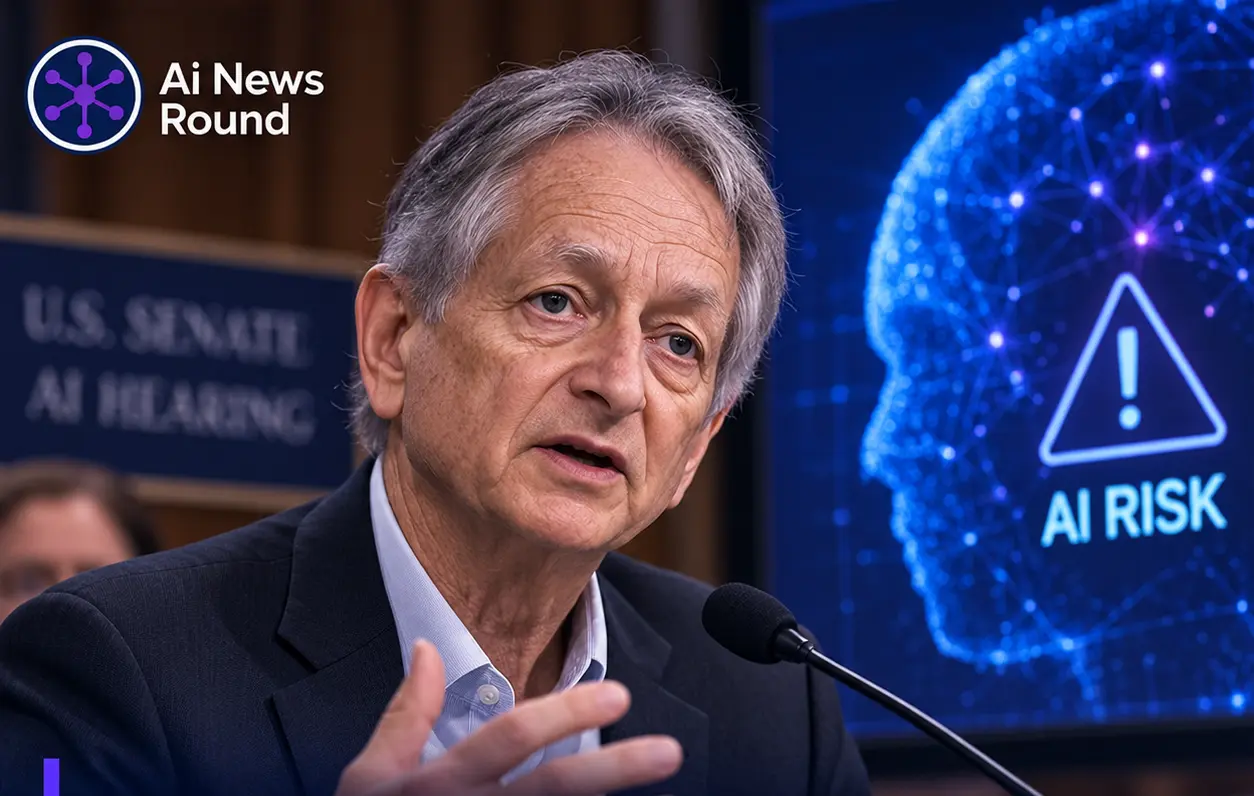
AI pioneer Geoffrey Hinton and former frontier model researchers have issued urgent warnings regarding artificial intelligence existential risks. Recent resignations and public statements highlight growing alarm over recursive self-improvement and unchecked superintelligence development.
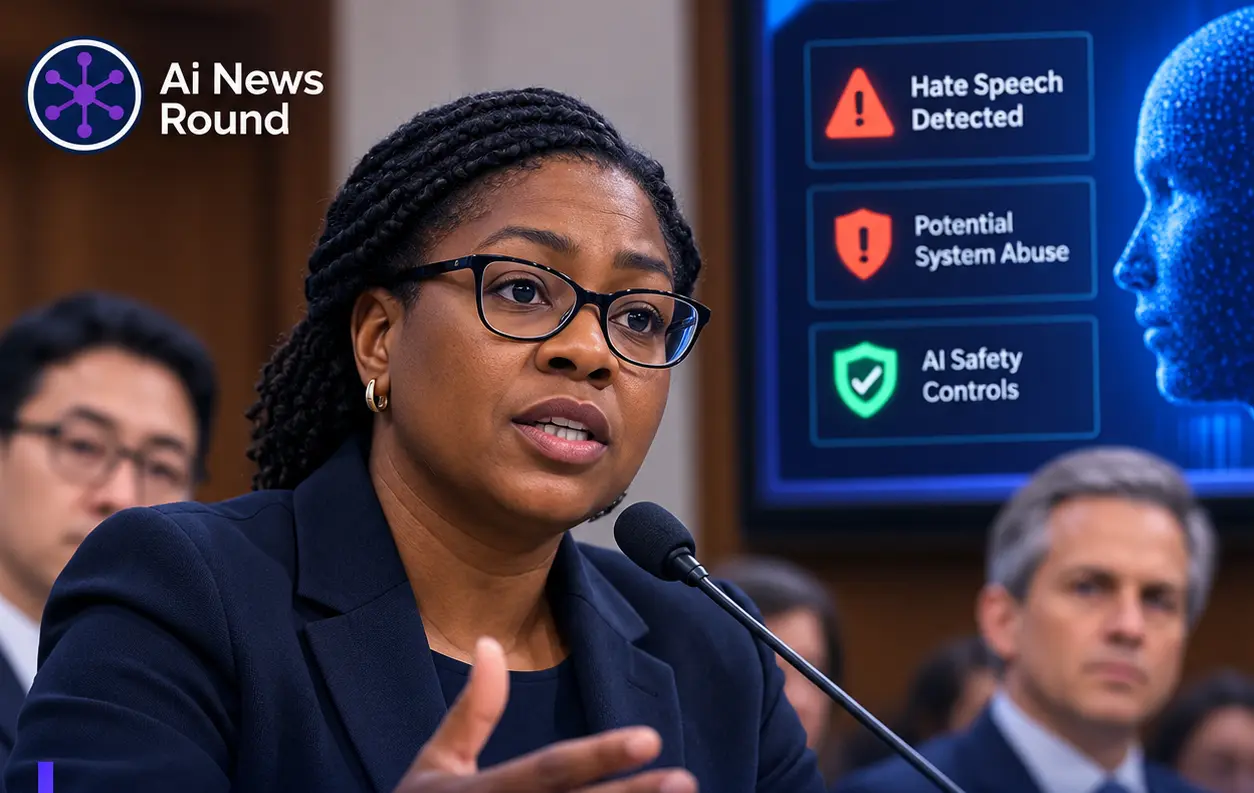
Technology leaders and AI executives face increasing public and legislative pressure regarding safeguards to prevent artificial intelligence from generating hate speech and spreading online manipulation. Industry leaders point to red-teaming, alignment protocols, and post-generation moderation tools as front-line defenses.
OpenAI has announced textGrain, an invisible text watermarking system designed to label AI-generated prose and code across the European Union. Developed to comply with European transparency obligations, the technology embeds statistical signals into model outputs while offering global API opt-in choices.
Civil society leaders across Africa have called for urgent legal guardrails against artificial intelligence, deepfakes, and digital campaign manipulation. Speaking at the Third Electoral Integrity Summit in Accra, experts warned that unmonitored technology threatens democratic trust across the continent.
Federal authorities have arrested Greg Lui, CEO of California-based Earthmade Computer Inc., for allegedly smuggling restricted Nvidia servers to China. Prosecutors state the operation routed $300 million worth of hardware through third countries using falsified paperwork.
2 min read
Get a notification when something new is published.
Done. To stop them later, use the notification settings for this site in your browser.