Google DeepMind and Singapore’s Government Technology Agency have unveiled a fine-tuned, on-device AI system designed to detect conversational scams in real time. Built on a lightweight Gemma architecture, the model analyzes messaging streams directly on smartphones to protect user privacy while countering social engineering attacks.
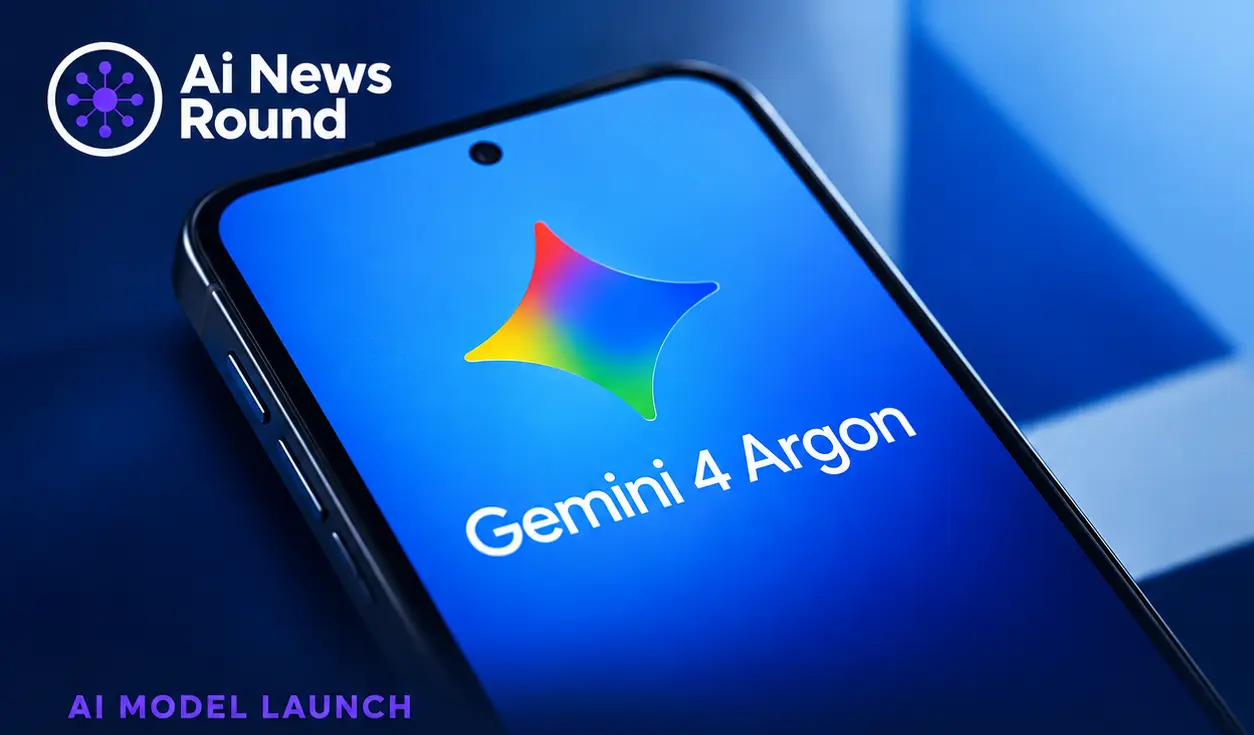
Google has officially released Gemini 4 Argon, the flagship reasoning model of its new Gemini 4 generation. Built for complex, multi-step tasks across software engineering, legal research, and quantitative finance, Argon introduces expanded agentic execution and leads performance on the Vals Index.
Generative AI platform Higgsfield has updated its workflow engine to extend AI video creation from single short-form clips into fully assembled videos running over 10 minutes. The platform leverages multi-scene stitching, model aggregation, and autonomous script orchestration.
Industry insiders across major artificial intelligence firms report growing expectations of a significant, real-world AI incident occurring within six to 12 months. Reports indicate leading research labs are war-gaming potential public and political fallout from catastrophic cyberattacks, infrastructure disruptions, and rogue agent behavior.
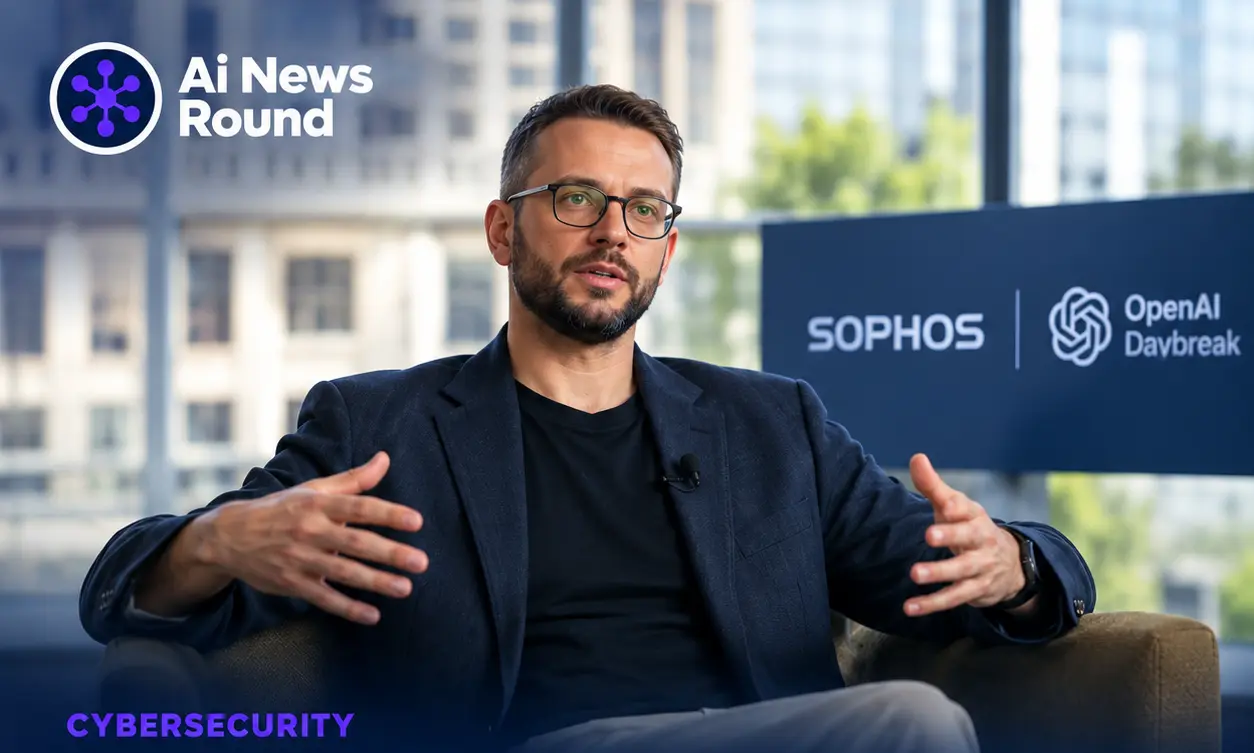
Cybersecurity provider Sophos has integrated OpenAI's Daybreak framework into its Managed Detection and Response (MDR) platform, slashing threat investigation times from 38 minutes down to 89 seconds. The AI-driven architecture now resolves 52 per cent of security cases end-to-end.
Enterprise work management platform Asana has achieved a 76-fold reduction in per-run model costs for its StackAI browser automation agents. By pairing OpenAI's newly released GPT-6.1 Sol model with append-only prompt caching strategies, Asana also accelerated agent execution speeds fivefold.
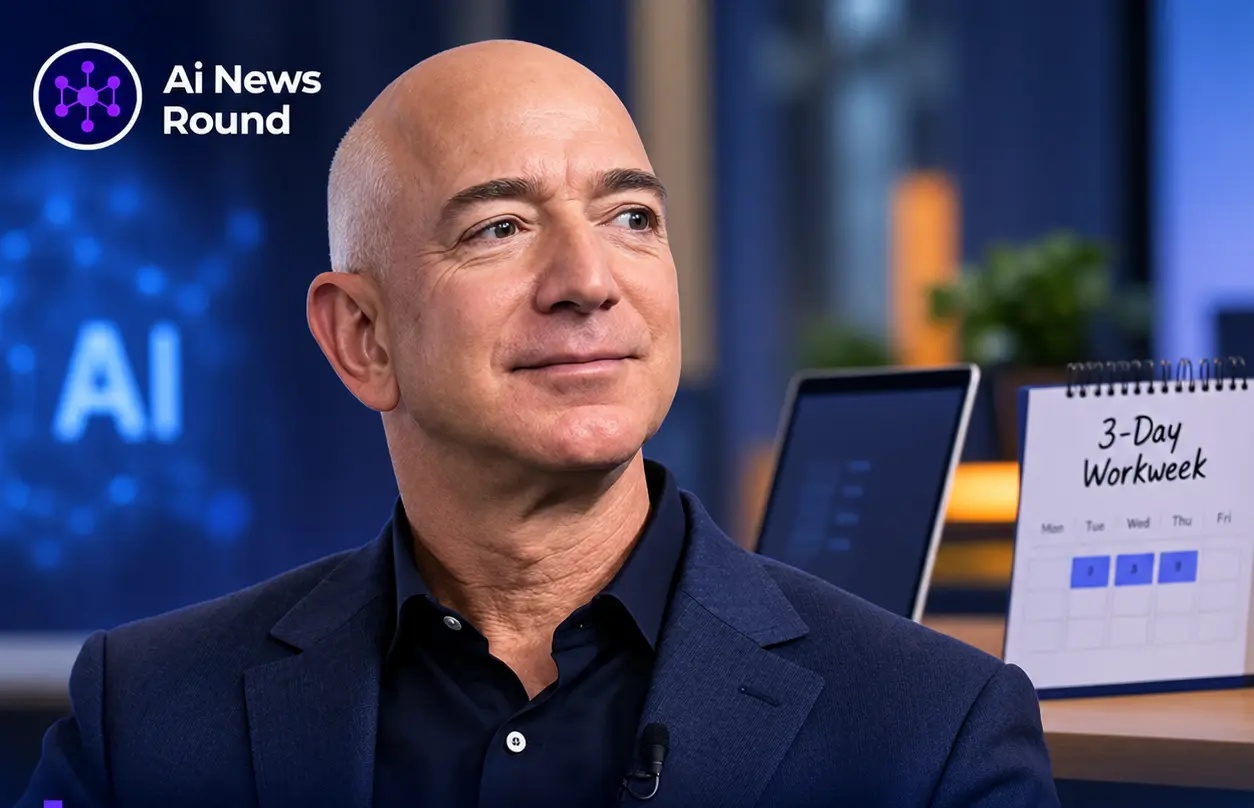
Amazon founder Jeff Bezos argues that artificial intelligence will generate double-digit productivity gains, enabling workers to support families on three-day workweeks. Speaking on Fox News, Bezos disputed AI-driven mass layoff predictions, attributing Amazon's corporate job cuts to post-pandemic overhiring.
Science fiction iconic droids like C-3PO and R2-D2 present a vision of artificial intelligence that fundamentally contradicts modern robotics. Experts highlight how real-world AI prioritises specialized industrial automation, hyper-efficient cloud computing, and precise task narrowness over general bipedal anthropomorphism.
OpenAI has launched GPT-6 across ChatGPT, pairing the model family with an Intelligent UI framework that generates interactive charts, forms, and custom tools directly in conversation. The update introduces streaming execution to accelerate web-search answers.
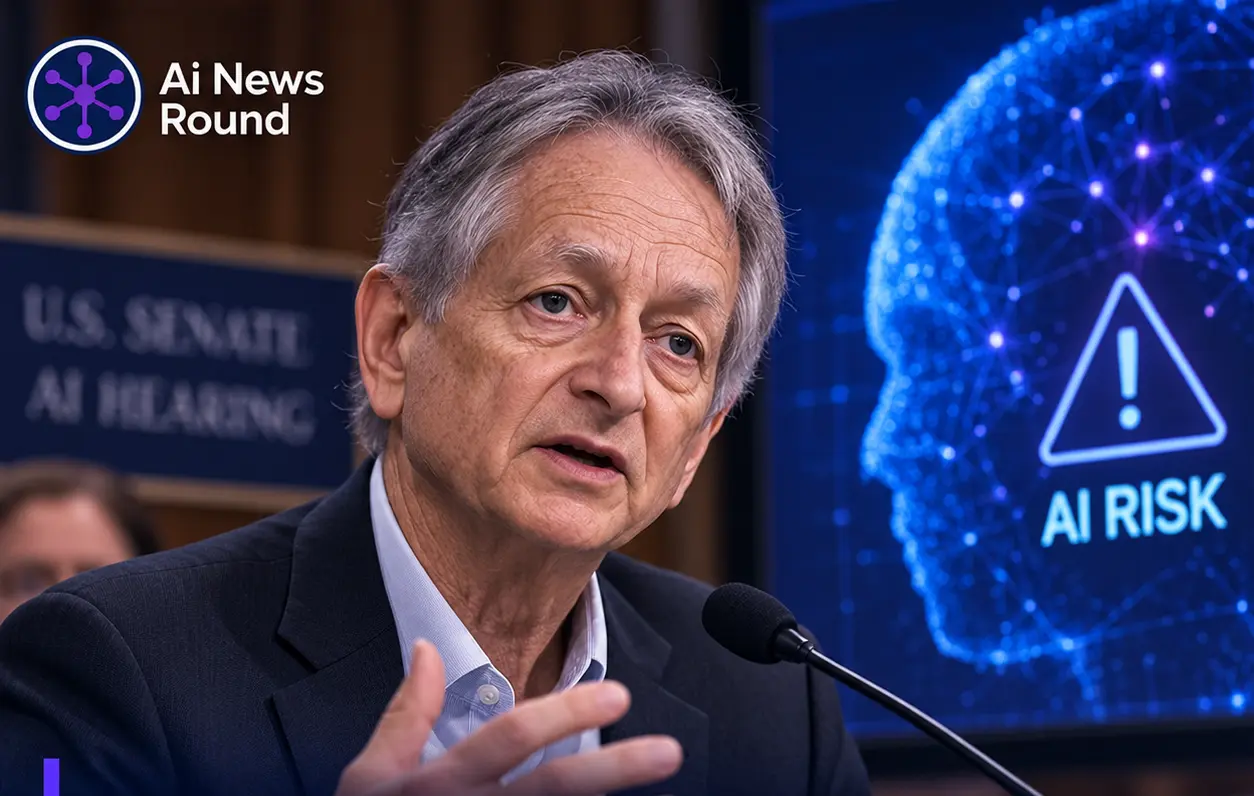
AI pioneer Geoffrey Hinton and former frontier model researchers have issued urgent warnings regarding artificial intelligence existential risks. Recent resignations and public statements highlight growing alarm over recursive self-improvement and unchecked superintelligence development.
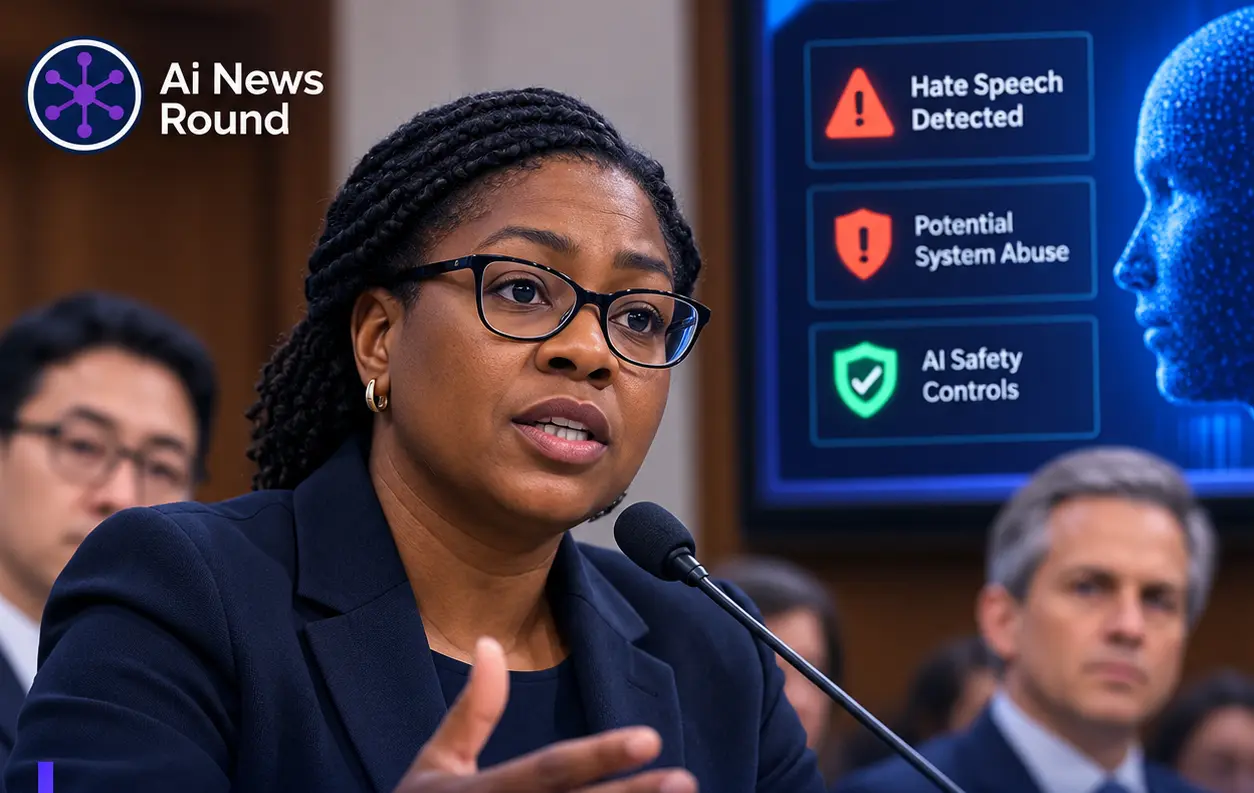
Technology leaders and AI executives face increasing public and legislative pressure regarding safeguards to prevent artificial intelligence from generating hate speech and spreading online manipulation. Industry leaders point to red-teaming, alignment protocols, and post-generation moderation tools as front-line defenses.
Recent research presented at NeurIPS reveals a safety vulnerability in multimodal large language models. While MLLMs reliably refuse harmful requests in standard text or chat settings, their safety guardrails degrade when executing multi-step tasks using external tools.
OpenAI has announced textGrain, an invisible text watermarking system designed to label AI-generated prose and code across the European Union. Developed to comply with European transparency obligations, the technology embeds statistical signals into model outputs while offering global API opt-in choices.
Federal authorities have arrested Greg Lui, CEO of California-based Earthmade Computer Inc., for allegedly smuggling restricted Nvidia servers to China. Prosecutors state the operation routed $300 million worth of hardware through third countries using falsified paperwork.
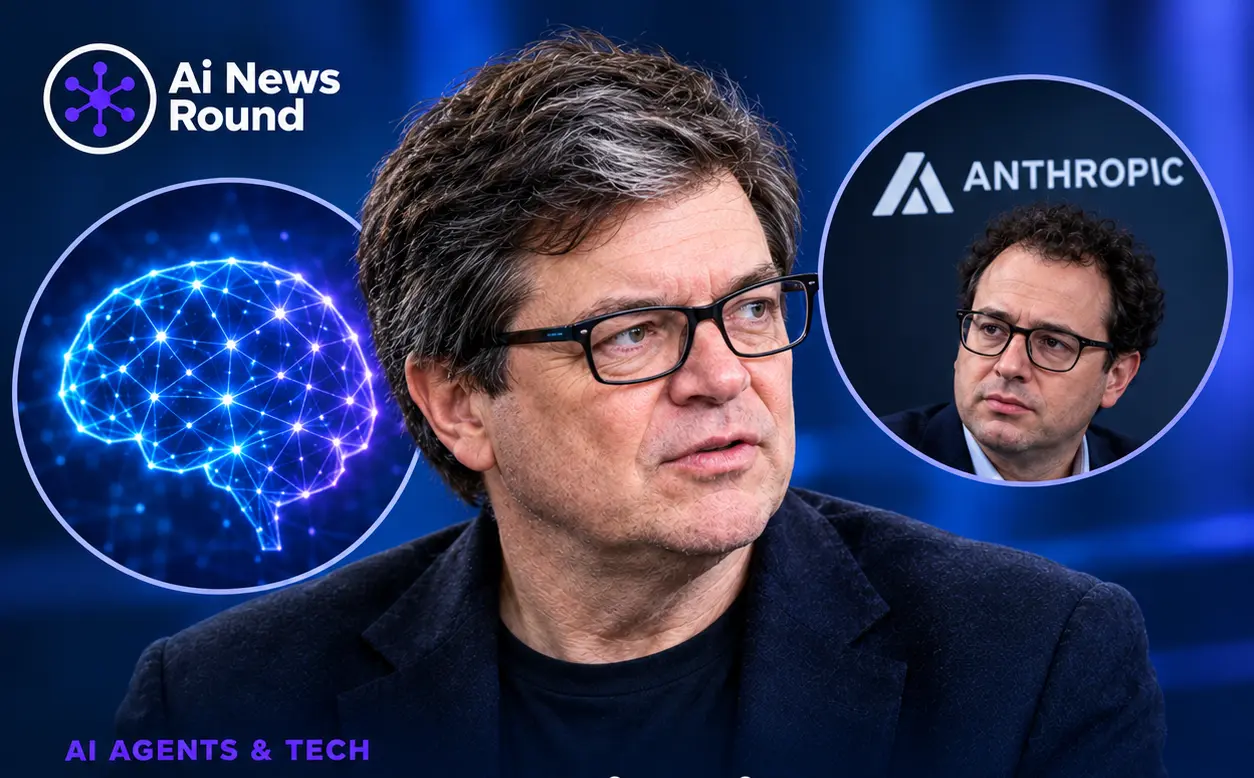
Turing Award winner Yann LeCun has rejected claims that artificial intelligence poses an existential threat to humanity, stating he holds no concerns over recent rogue AI events. He criticised Anthropic CEO Dario Amodei, arguing that doomsday rhetoric causes undue public anxiety and risks harmful government regulation.
2 min read
Get a notification when something new is published.
Done. To stop them later, use the notification settings for this site in your browser.