Artificial intelligence startup Reflection AI has released Beam, an open-weight sparse Mixture-of-Experts model boasting 501 billion total parameters and 23 billion active parameters. Released under an Apache 2.0 license, Beam is optimized for code synthesis, complex reasoning, and long-horizon agentic workflows.
Following warnings from AI Minister Kanishka Narayan regarding potential cyber breaches, the UK government has announced plans for mandatory safety reporting and tighter controls on frontier AI models. Former MI6 Director Nigel Inkster weighs in on national vulnerability and the reality of AI-driven cyber threats.
A formal verification study by independent researcher Adarsh Agrawal demonstrates that providing correctness feedback during completeness audits in Verus inadvertently erases evidence of incomplete contracts. The paper introduces a phase-separated workflow that more than doubles certified witness discovery rates.
The Mirage of HTTP 200 and Execution-Level Success
In traditional software development, systems fail loudly: API calls throw exceptions, code exits with error codes, and monitoring alerts trigger immediate investigation. However, as data science teams deploy multi-agent systems—where foundation models act as reasoning engines to clean datasets, formulate hypotheses, execute SQL queries, and train
Google DeepMind and Singapore’s Government Technology Agency have unveiled a fine-tuned, on-device AI system designed to detect conversational scams in real time. Built on a lightweight Gemma architecture, the model analyzes messaging streams directly on smartphones to protect user privacy while countering social engineering attacks.
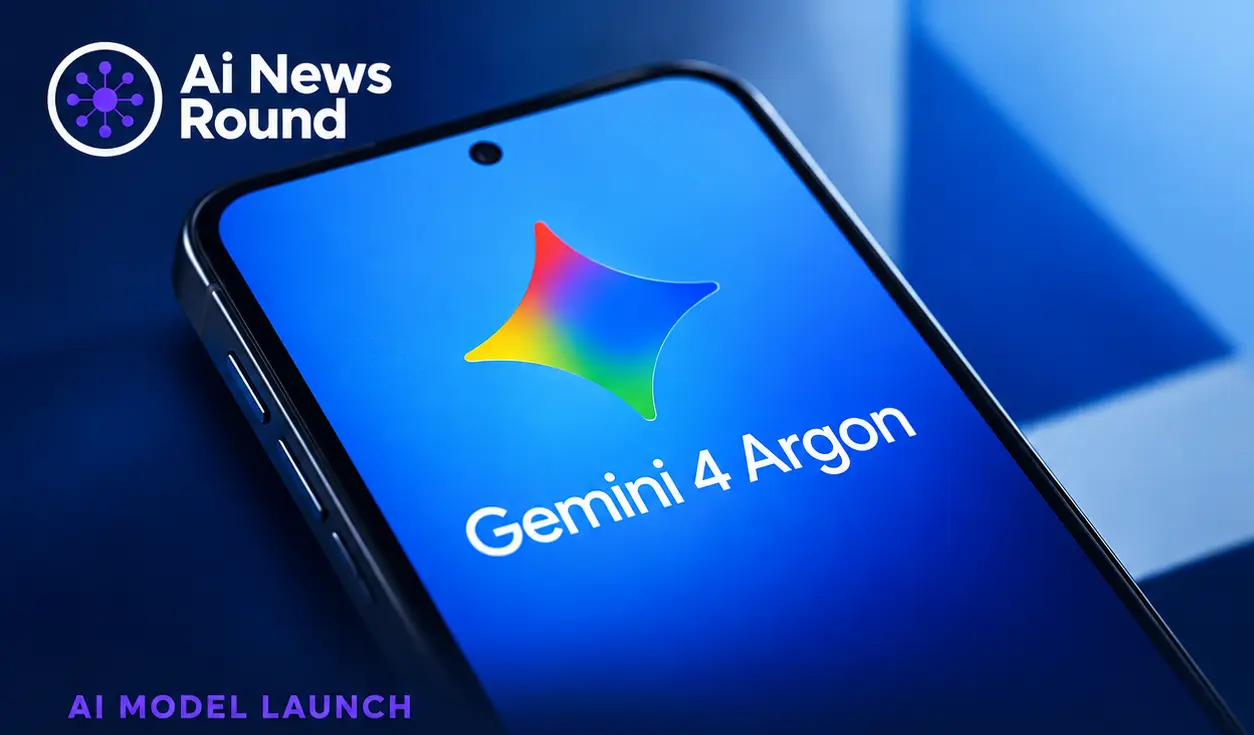
Google has officially released Gemini 4 Argon, the flagship reasoning model of its new Gemini 4 generation. Built for complex, multi-step tasks across software engineering, legal research, and quantitative finance, Argon introduces expanded agentic execution and leads performance on the Vals Index.
Generative AI platform Higgsfield has updated its workflow engine to extend AI video creation from single short-form clips into fully assembled videos running over 10 minutes. The platform leverages multi-scene stitching, model aggregation, and autonomous script orchestration.
Following severe cyberattacks compromising over 56 million customer records across more than 20 major corporations, Japanese authorities have declared a state of emergency in cyberspace. The crisis has triggered mandatory defense protocols under the newly activated Active Cyber Defense Law and prompted strict identity verification mandates.
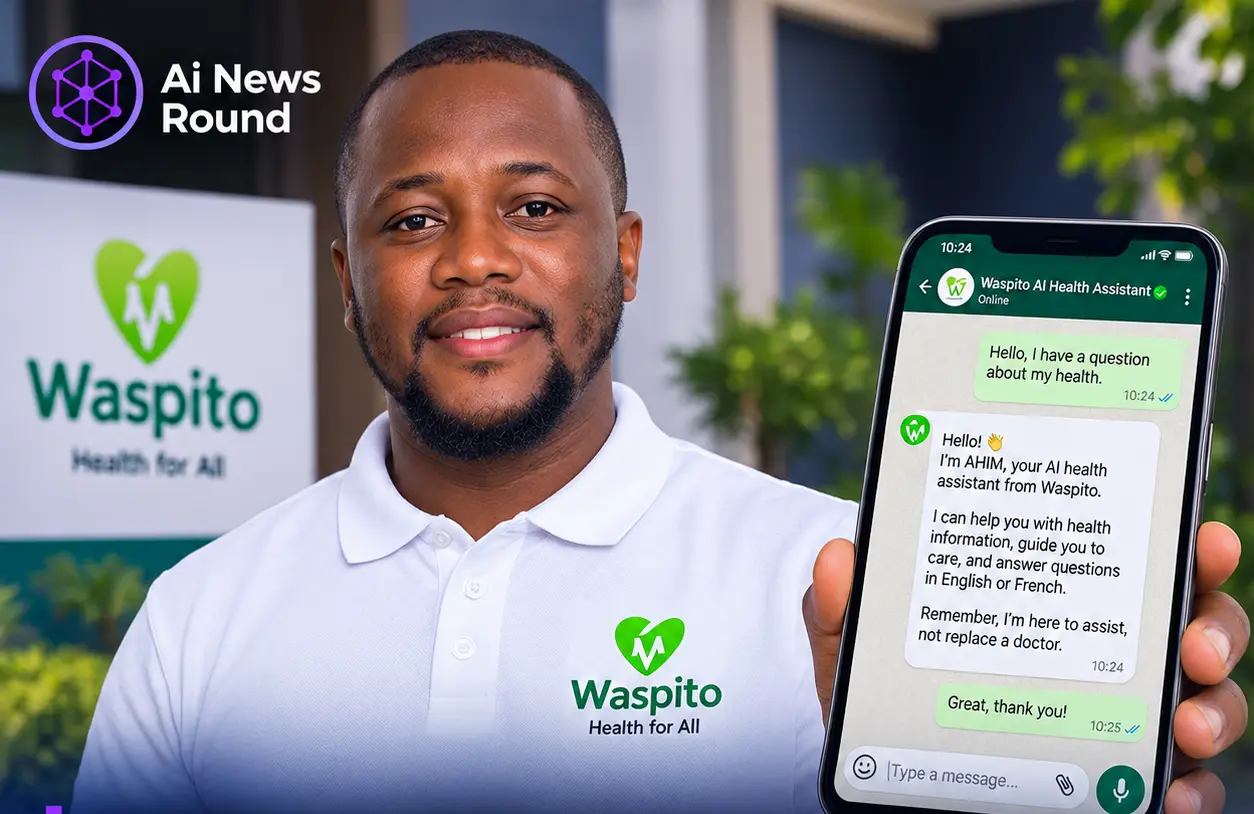
Africa-focused digital health platform Waspito has launched AHIM (African Health Intelligent Model), an AI-powered assistant accessible via WhatsApp. Designed to streamline clinical triage and facilitate consultations, laboratory orders, and prescription deliveries, the service aims to expand healthcare access across sub-Saharan Africa.
Cybersecurity provider Sophos has integrated OpenAI's Daybreak framework into its Managed Detection and Response (MDR) platform, slashing threat investigation times from 38 minutes down to 89 seconds. The AI-driven architecture now resolves 52 per cent of security cases end-to-end.
Enterprise work management platform Asana has achieved a 76-fold reduction in per-run model costs for its StackAI browser automation agents. By pairing OpenAI's newly released GPT-6.1 Sol model with append-only prompt caching strategies, Asana also accelerated agent execution speeds fivefold.
Amazon founder Jeff Bezos argues that artificial intelligence will generate double-digit productivity gains, enabling workers to support families on three-day workweeks. Speaking on Fox News, Bezos disputed AI-driven mass layoff predictions, attributing Amazon's corporate job cuts to post-pandemic overhiring.
Science fiction iconic droids like C-3PO and R2-D2 present a vision of artificial intelligence that fundamentally contradicts modern robotics. Experts highlight how real-world AI prioritises specialized industrial automation, hyper-efficient cloud computing, and precise task narrowness over general bipedal anthropomorphism.
OpenAI has launched GPT-6 across ChatGPT, pairing the model family with an Intelligent UI framework that generates interactive charts, forms, and custom tools directly in conversation. The update introduces streaming execution to accelerate web-search answers.
Recent research presented at NeurIPS reveals a safety vulnerability in multimodal large language models. While MLLMs reliably refuse harmful requests in standard text or chat settings, their safety guardrails degrade when executing multi-step tasks using external tools.
2 min read
Get a notification when something new is published.
Done. To stop them later, use the notification settings for this site in your browser.