Genie 4 Explained: DeepMind's New World Model Adds Sound, Dialogue and Text Steering
Genie 4, Google DeepMind's new world model, builds playable scenes with native audio and dialogue. Here is what it does, who can try it and its known limits.
Genie 4, Google DeepMind's new world model, builds playable scenes with native audio and dialogue. Here is what it does, who can try it and its known limits.
Granite Speech 5.0 is IBM's free, open speech model: transcription in six languages, fast on-device recognition and better meeting notes. What it does, and lacks.
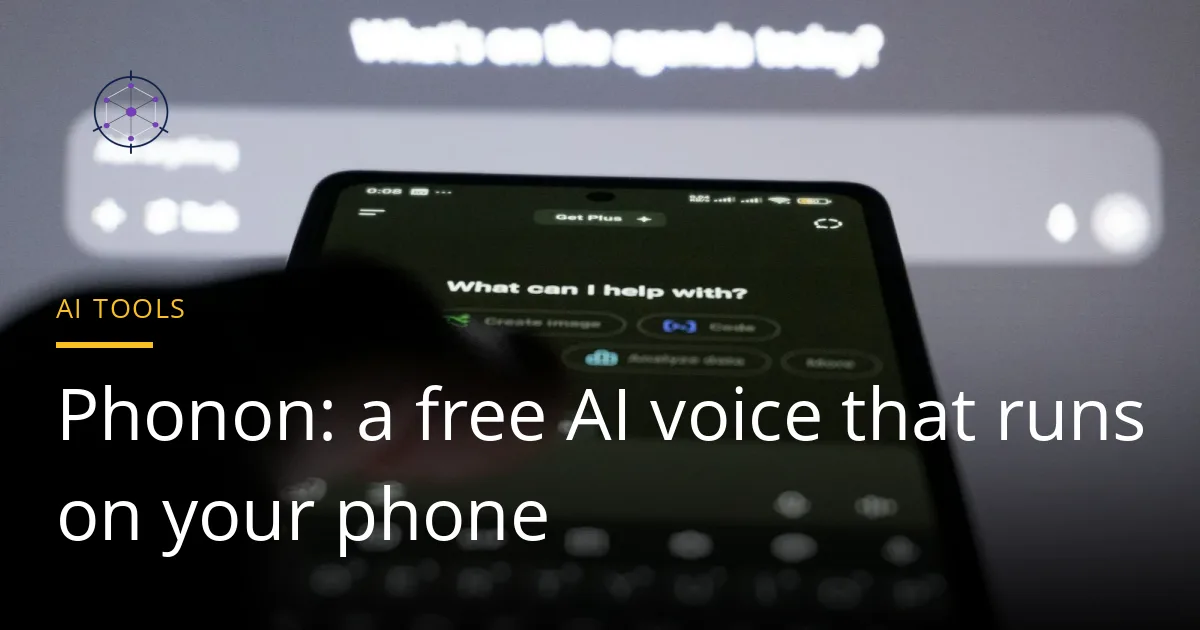
Phonon TTS is a free text-to-speech model from Paris startup Gradium that runs offline on phones, laptops and a Raspberry Pi. What it does and how to try it.
Block's Dessa speech model learned to talk from sound alone, with no text. Here is what the research preview does, who built it and who can use it now.
The Agentic AI Foundation takes in four projects from Anthropic, OpenAI, Hugging Face and Alibaba. Here is what each does and why it matters if you build agents.
The OpenAI Decisions API is now open to all developers. It answers bounded questions up to 10x faster than GPT-6 Luna and charges nothing for output tokens.
Canva Craft is Canva's first in-house image model: 2K images, 30 aspect ratios, readable text and layered edits, free in Dream Lab and via the Canva API.
1Password for Agents lets Claude Duet, ChatGPT Work, Muse and Grok Bot sign in for you after you approve, with the password never shown to the AI agent.
Claude Duet is Anthropic's new background AI agent that watches your apps and does tasks while you're away. What it does, its limits, and who can get it now.
ChatGPT locked chats hide conversations behind a PIN or Face ID. Here is how to turn them on, what they do not protect, and why a forgotten PIN wipes them.
Every launch comes with a chart showing the new model winning. Here is what the chart leaves out, and which parts of the announcement are worth your attention.
Jurisdictions differ on the detail and agree on the structure: obligations scale with what the system is used for, not with how it was built.
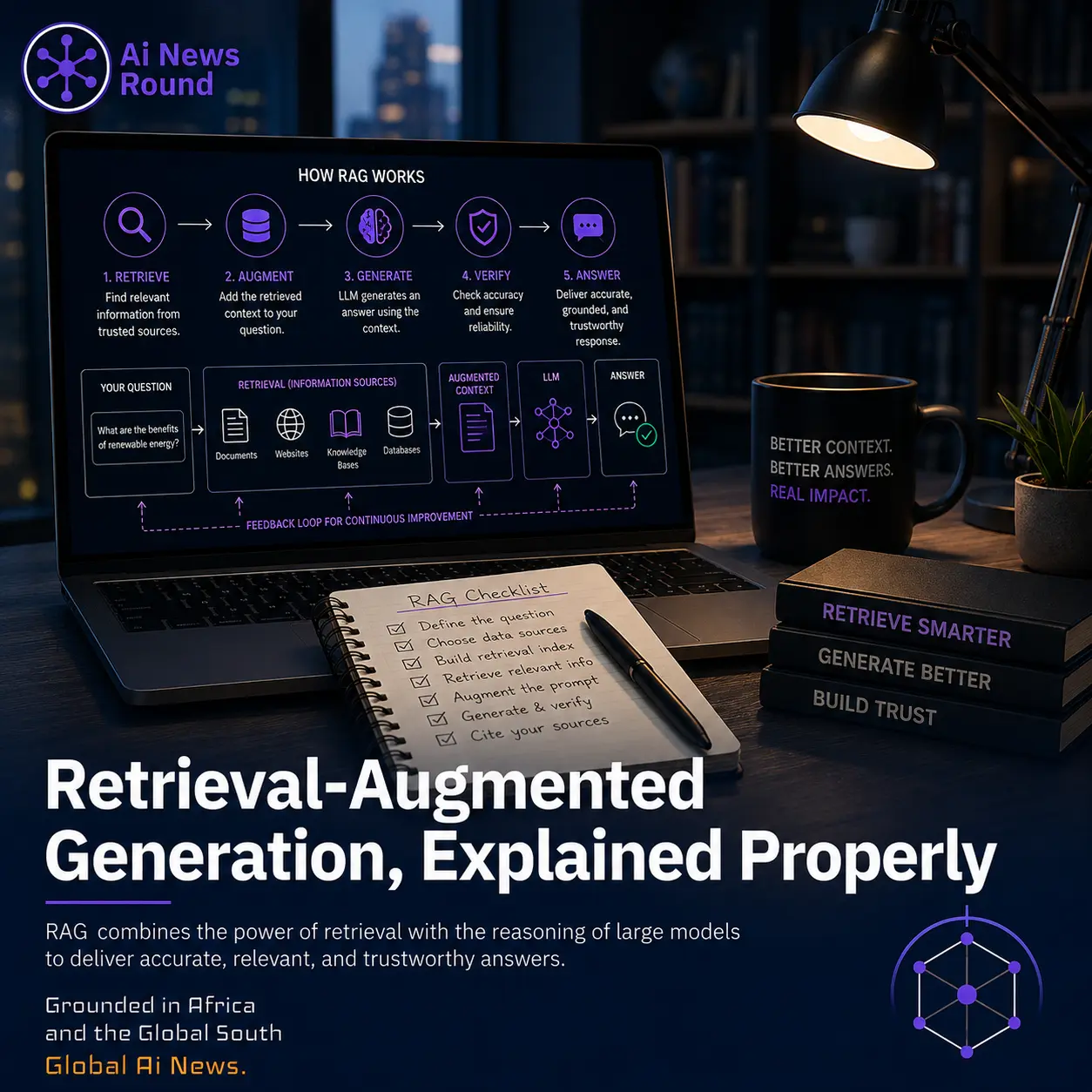
The idea is simple and the failure modes are not. Most disappointing implementations fail at retrieval, not at generation.
Context windows have grown enormously. The ability to use everything in them has not grown at the same rate, and the gap matters.
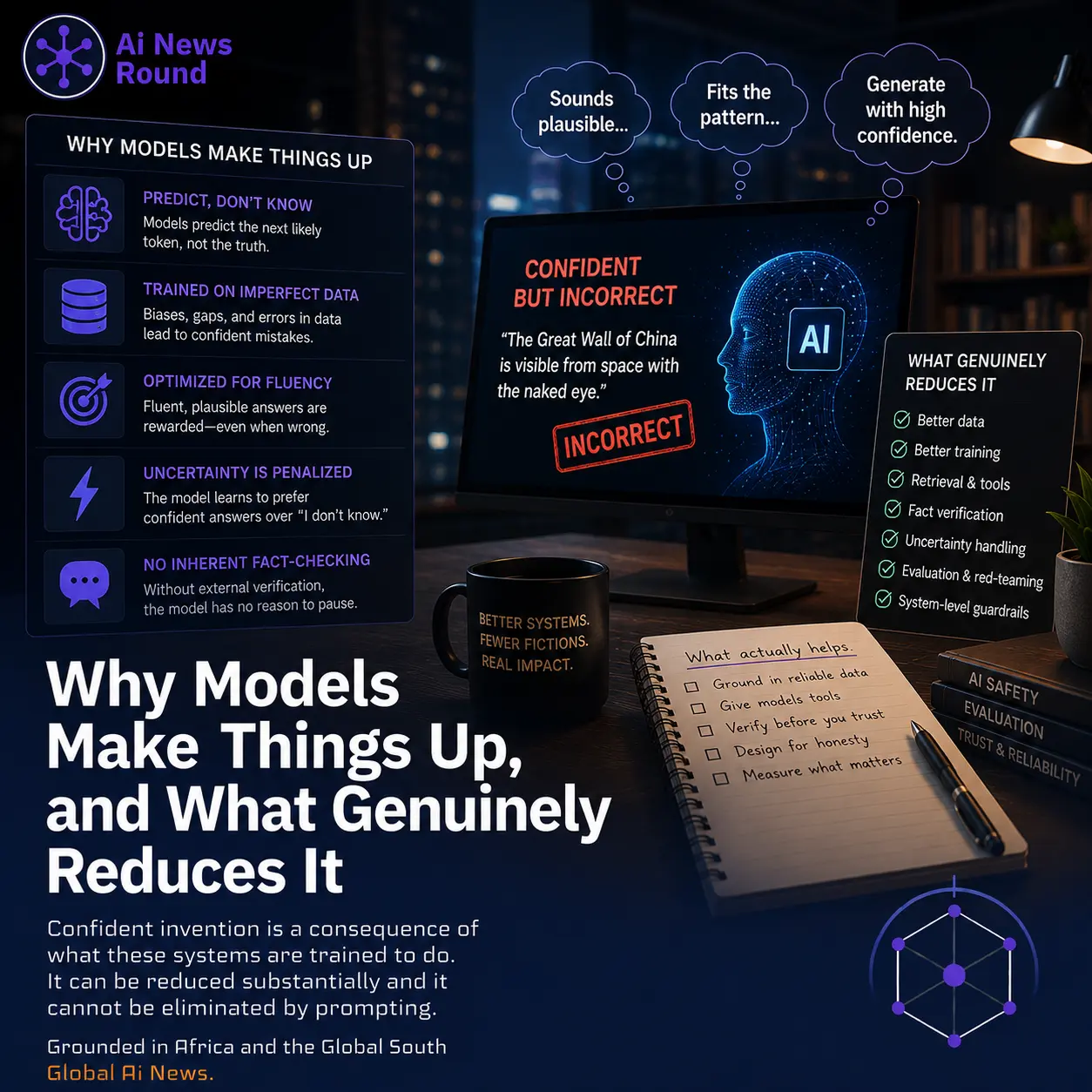
Confident invention is a consequence of what these systems are trained to do. It can be reduced substantially and it cannot be eliminated by prompting.
Get a notification when something new is published.
Done. To stop them later, use the notification settings for this site in your browser.