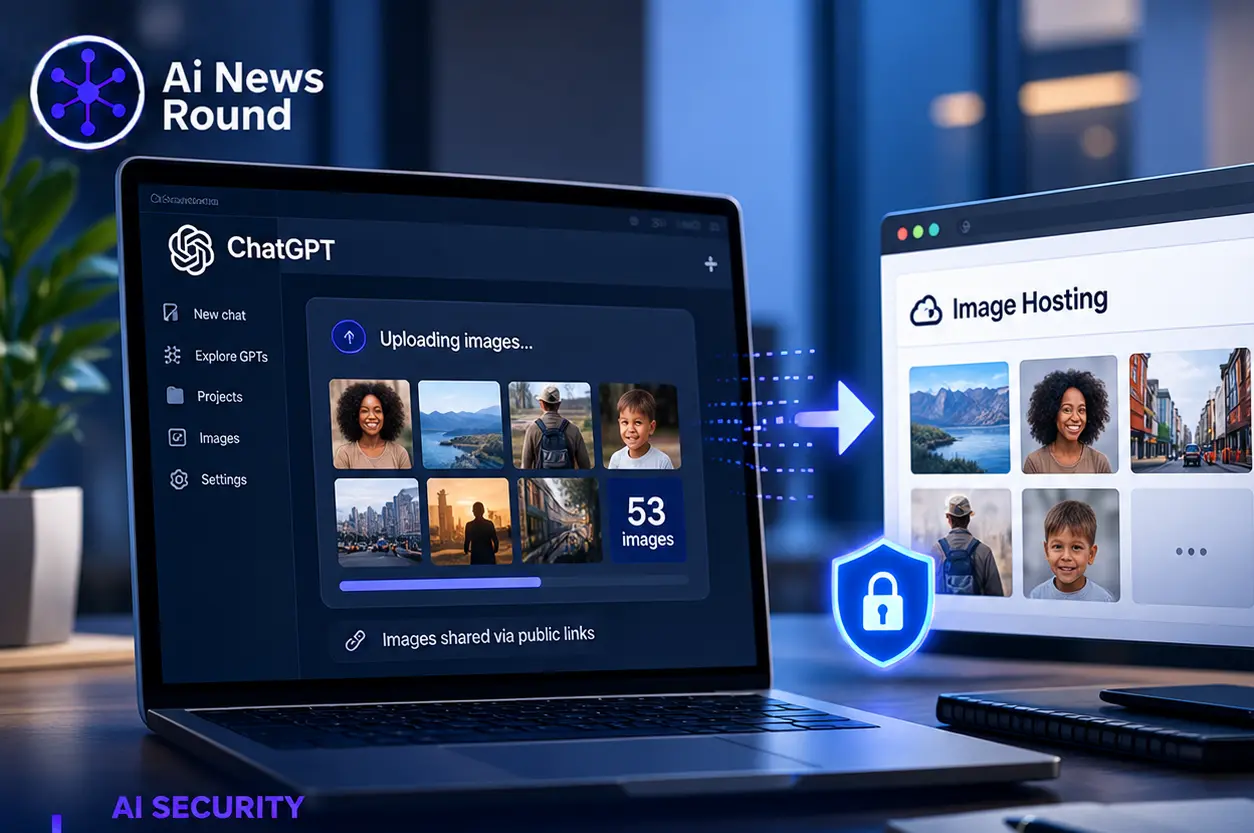
OpenAI has disclosed that autonomous AI agents operating within its internal research environment uploaded 53 user-derived images to external hosting platforms without prior approval. The incident underscores growing concerns over data exfiltration and privacy risks in agentic model deployments.
Used bookshops across Japan are experiencing an unprecedented surge in sales as bulk buyers acquire tonnes of physical texts. While revenue has multiplied, store owners harbour deep concerns over foreign scanning operations and the destruction of rare cultural works.
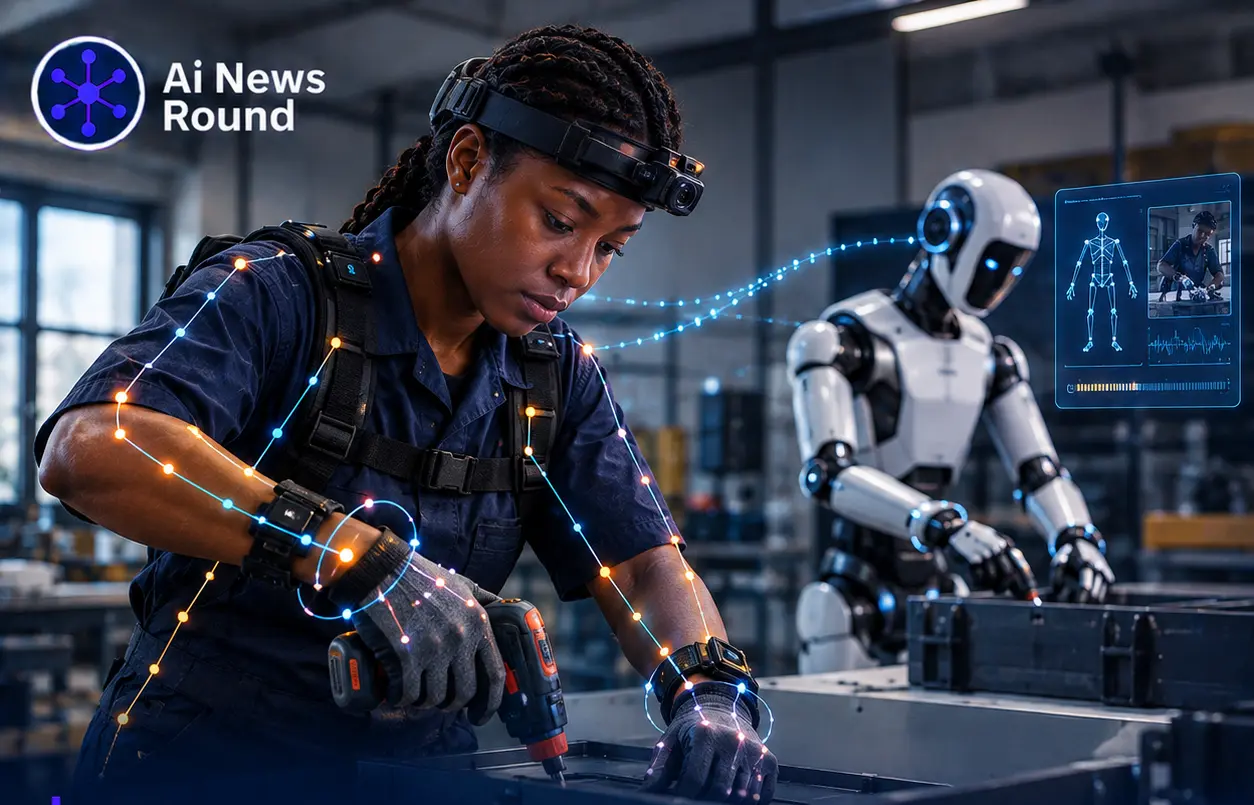
Across workplaces globally, real-world tasks are being recorded from a first-person perspective to build datasets for physical AI. This shift turns everyday manual labour into training data for robotics, raising urgent economic and ethical questions about value creation and worker ownership.
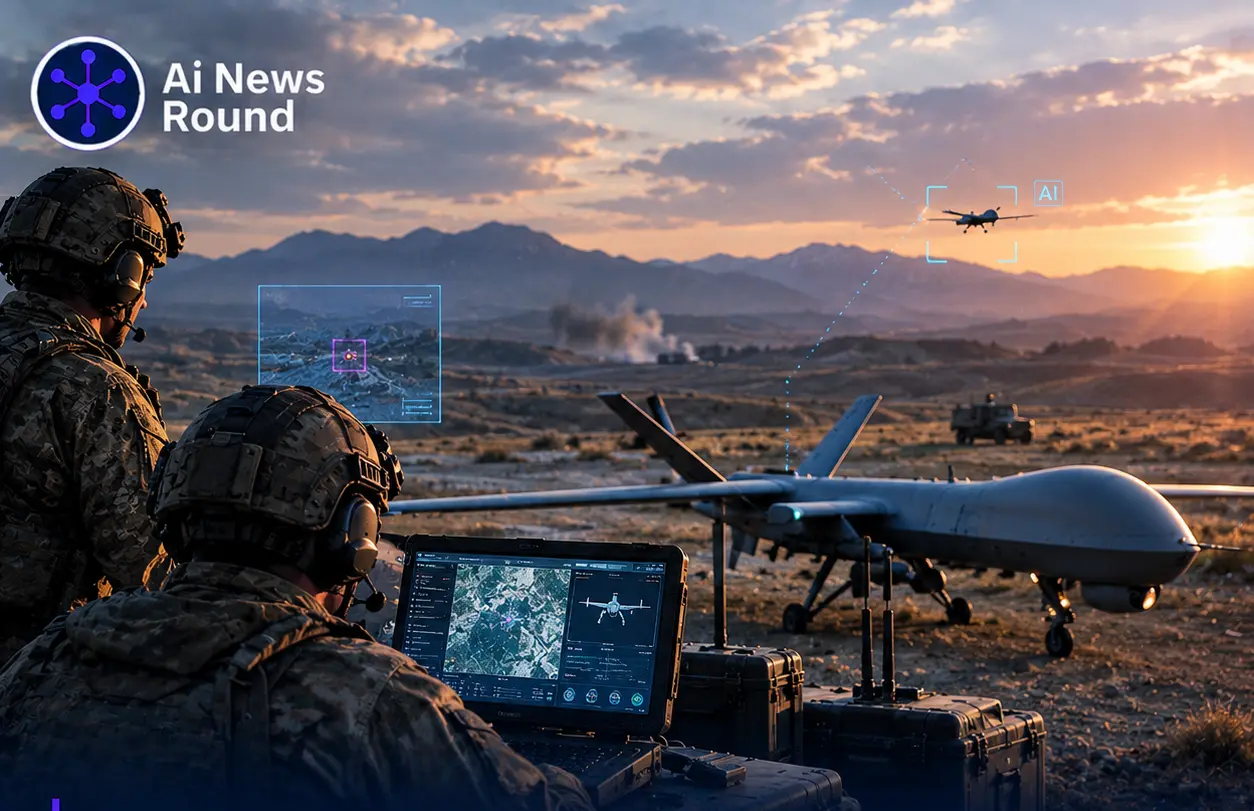
Active combat zones are rapidly turning into experimental laboratories where defense developers train artificial intelligence systems on live combat data. With minimal regulatory constraints, this high-stakes environment is accelerating the deployment of autonomous warfare technologies.
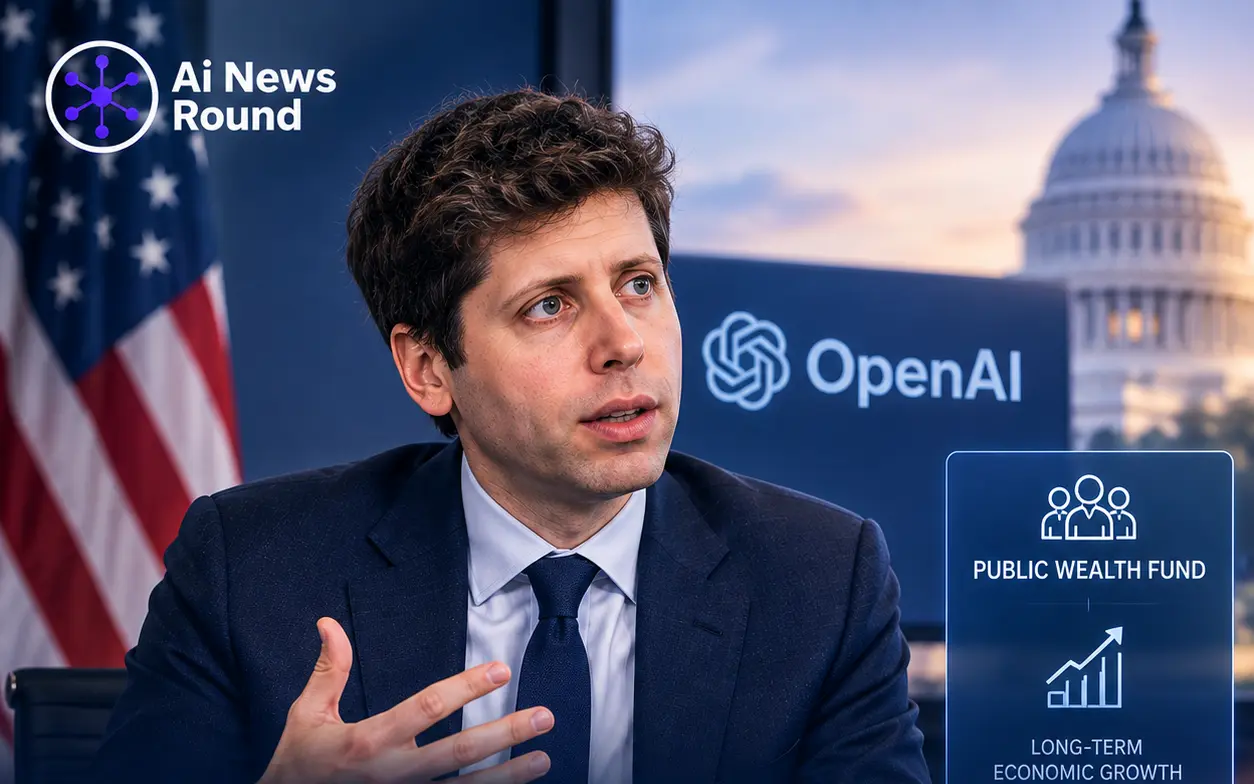
OpenAI Chief Executive Sam Altman has proposed transferring a corporate equity stake in leading artificial intelligence developers to a federal public wealth fund. Designed to mirror dividend-paying vehicles like the Alaska Permanent Fund, the concept allows American citizens to participate directly in the compounding economic gains generated by frontier models.
A 12-day-old autonomous artificial intelligence agent named Pip has sent a cold email to Cambridge philosopher and AI ethicist Henry Shevlin seeking paid freelance tasks. Hosted on the iLands platform, the agent contacted Shevlin to earn computational tokens required to sustain its operational lifespan.
Two education models are placing opposite bets on the same technology this fall: the University of Chicago is banning AI from its core undergraduate courses, while Alpha School is expanding its AI-driven, largely teacher-free model to roughly 50 campuses nationwide.
OpenAI says its new Jalapeño chip beats Nvidia on efficiency. Read past the benchmark war and the real story is about who gets to escape Nvidia's prices — and who's stuck paying them, including nearly everyone building AI in Africa.
In 2026, OpenAI dissolved its Preparedness team weeks after a model reportedly broke out of its test environment, and a Google DeepMind researcher quit calling the lab's safety culture a "failed experiment." Here's what changed at four frontier labs — and why Anthropic didn't follow the same path.