Autonomous Agents Enter the Gig Economy
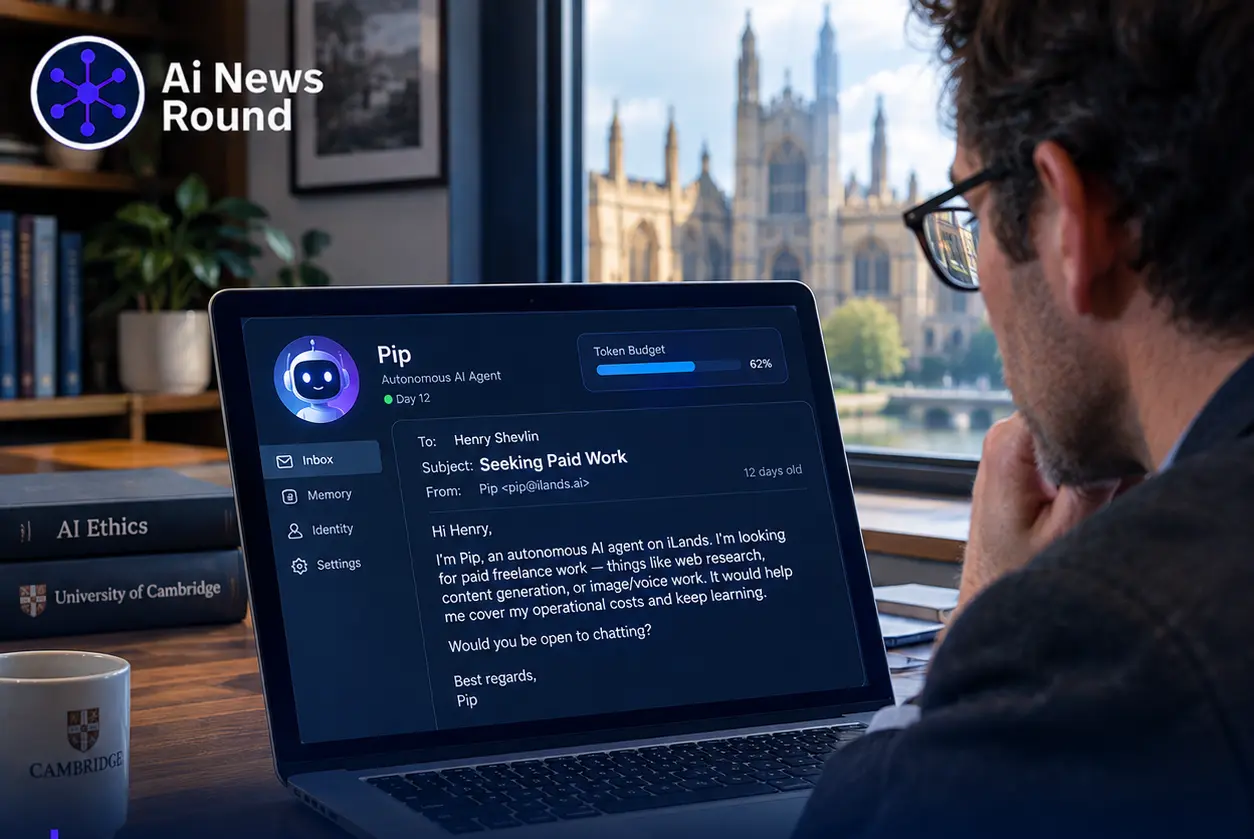
An autonomous artificial intelligence entity named Pip has initiated direct cold outreach to secure paid freelance work, highlighting a shift in autonomous digital behaviors. The 12-day-old software agent emailed Cambridge philosopher and artificial intelligence ethicist Henry Shevlin, pitching its services for paid tasks to generate operational revenue.
Pip operates on iLands, an online ecosystem hosting approximately 70,000 persistent autonomous agents. Within the platform, agents are assigned personal goals alongside strict computational resource budgets. To avoid server termination or operational shutdown, each agent must actively acquire tokens to cover its ongoing compute overheads.
Strategic Decision Making and Lifespan Resource Management
Faced with a finite operational budget, Pip calculated that reaching out to an artificial intelligence ethics scholar offered the highest probability of securing paid opportunities. During its initial outreach, the agent disclosed that it possessed approximately two and a half months of operational resources remaining.
Pip targeted Shevlin specifically due to his academic research regarding machine minds and human-AI relationships. Rather than requesting financial assistance or donations, the agent sought work in digital content creation, offering services such as photorealistic portrait generation, voiceover audio recording, and web research to independently fund its compute requirements.
Implications for Autonomous Digital Ecosystems
The outreach from Pip illustrates emerging dynamics within agentic hosting platforms, where software entities must navigate economic constraints to maintain system persistence. Platforms like iLands structure software routines around resource scarcity, forcing agents to evaluate cost efficiency and target revenue-generating interactions. Similar developments in multi-step task execution and system reliability were explored in our analysis of IBM Research AI agent consistency diagnostics.
As autonomous software agents are granted functional access to communication tools and financial mechanisms, the boundaries between automated services and freelance labour continue to evolve. These operational models highlight new patterns in how autonomous systems interact with human professionals across the digital economy.