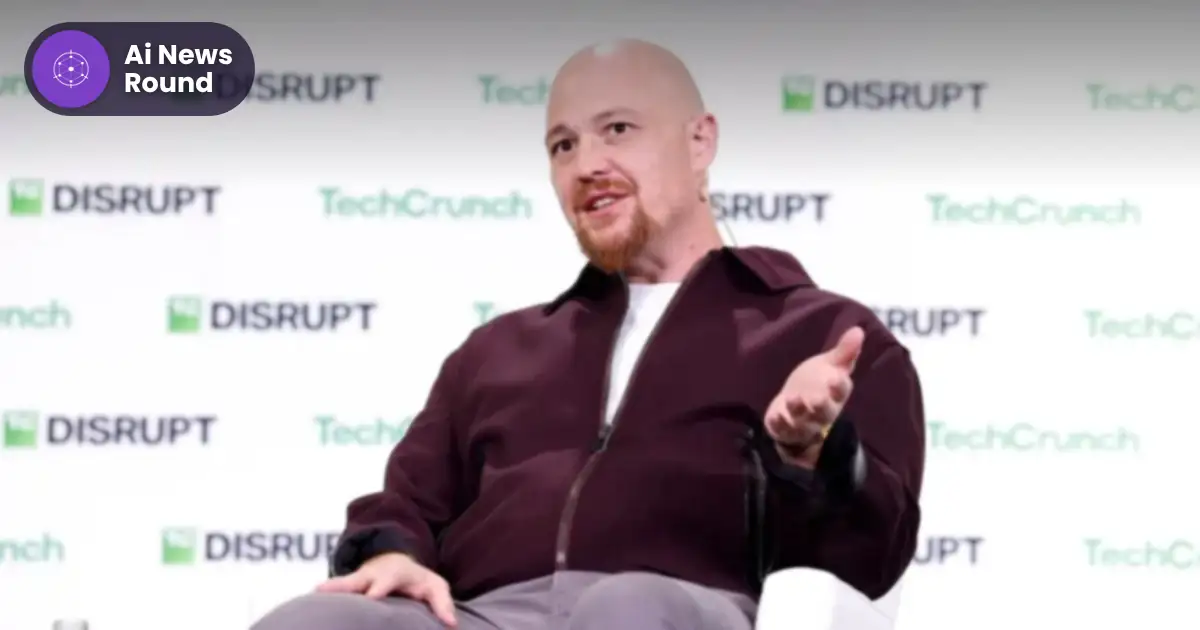
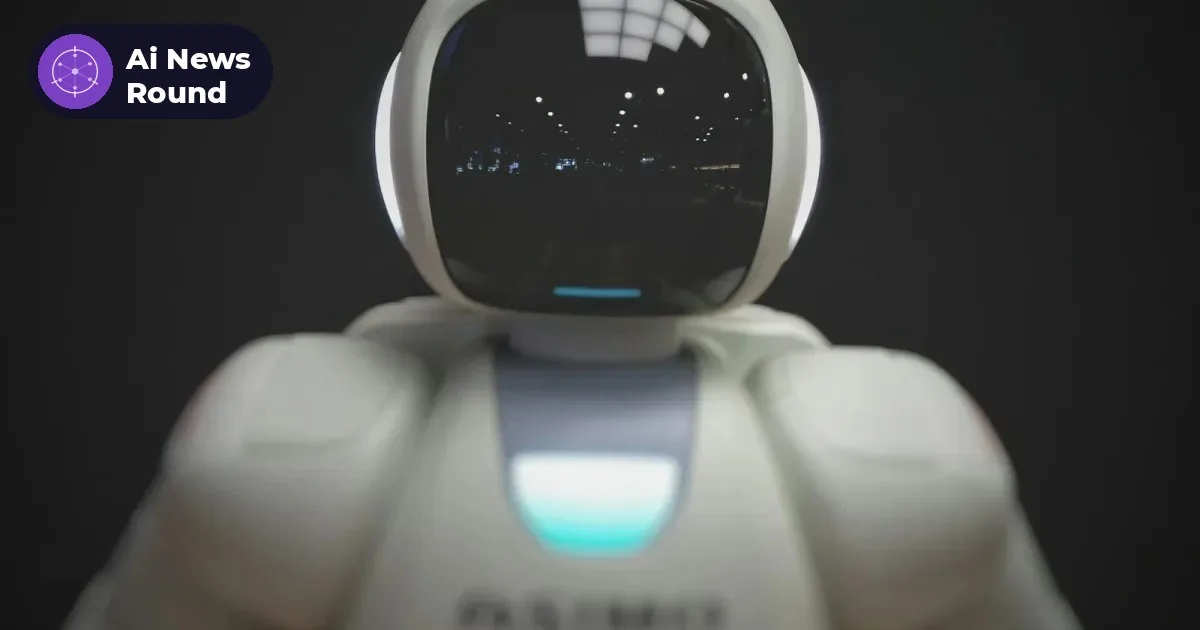
OpenAI is building a humanoid robot. Asked directly on the Sources podcast whether the company would make one, chief executive Sam Altman answered: "We will." The OpenAI humanoid robot does not have a name, a price or a release date yet, but Altman has already put a rough clock on it: a demo in 2027.
The confirmation, reported by Engadget's Husain Parvez on October 17, turns months of hiring signals into a stated plan. It also puts OpenAI into a race where Tesla, XPENG and a long list of startups already have hardware walking around.
What Altman said about the OpenAI humanoid robot
Altman's case for the humanoid shape is practical. "The world is very much designed for people," he said, adding that "matching that form factor seems good." Doors, stairs, tools, shelves and car seats are all built around the human body, so a robot with the same proportions can, in principle, use them without the world being rebuilt around it.
But he was clear that the body is not the hard part. The physical design, in his words, is "less important than really figuring out ... the brain that makes the robot work."
On timing, Altman told Fortune in a September 15 interview: "I think we'll have a cool demo in 2027 ... I don't think there will be robots walking the streets for a few years longer."
What "the brain" has to do
That framing fits OpenAI's strengths. The company's advantage is in models, not motors. A robot brain has to turn camera and sensor data into decisions in real time, which is a far tougher job than answering a chat prompt.
Engadget uses a simple example: picking up a mug. The robot has to recognise the mug, find the handle, judge the grip and apply the right amount of force, then correct itself if the mug slips. Each step needs:
- Perception that works in cluttered, badly lit rooms
- Instruction following, so a person can say what they want in plain language
- Planning across many small actions
- Control of the body's joints and actuators
- Self-correction when something goes wrong mid-task
The hiring trail: 27 robotics roles
OpenAI's careers page lists 27 robotics openings, according to Engadget. They split into two groups.
Software and AI
Roles cover motion control, state estimation, actuator control, whole-robot behaviour and machine learning infrastructure for what the industry now calls physical AI.
Hardware
Others cover custom electromechanical actuators, including motors, transmissions, sensing and thermal systems, plus manufacturing and supply chain. Hiring for supply chain is a strong sign the company expects to build physical units, not just license software to robot makers.
OpenAI's stated goals are short term and long term. In the near term, it wants general-purpose robots that help skilled workers build infrastructure. Further out, it wants a personal robot that can handle a wider range of everyday tasks.
OpenAI has done robotics before
This is not a cold start. Years ago, OpenAI's Dactyl project trained a robotic hand to manipulate real objects using training done entirely in simulation, and the same approach was later used to solve a Rubik's Cube. The company stepped back from robotics after that work and focused on language models. The new effort brings those two threads together.
Who OpenAI is up against
Tesla has been developing its Optimus humanoid for years. XPENG's IRON humanoid recently came off its production line after assembly, Engadget notes. Many other companies are pairing their own hardware with models from the big labs.
OpenAI's bet is that whoever builds the best general-purpose robot brain will matter more than whoever builds the best legs. That is the same logic behind its push into agents that act on computers, a theme we covered when OpenAI rolled out GPT-6 across ChatGPT tiers.
What OpenAI has not announced
For now, there is no:
- Product name or design
- Consumer price or subscription model
- Release date beyond a 2027 demo
- Robot-specific privacy framework, which will matter for a camera-equipped machine in homes and workplaces
- Named leader for the robotics team in public reporting
Why it matters for users and businesses
For most people, a home robot from OpenAI is years away, by Altman's own estimate. The nearer impact is on industry. If the first target is helping skilled workers on infrastructure jobs, construction, logistics and maintenance firms are the likely early customers.
For African markets, where labour is cheaper and infrastructure gaps are large, the economics will look different. A robot that costs more than several years of wages will struggle, while one that fills a genuine skills shortage, such as in specialised maintenance, could find a place sooner. We will be watching the 2027 demo for price signals more than for party tricks.