Deploying Artificial Intelligence Infrastructure into Orbit
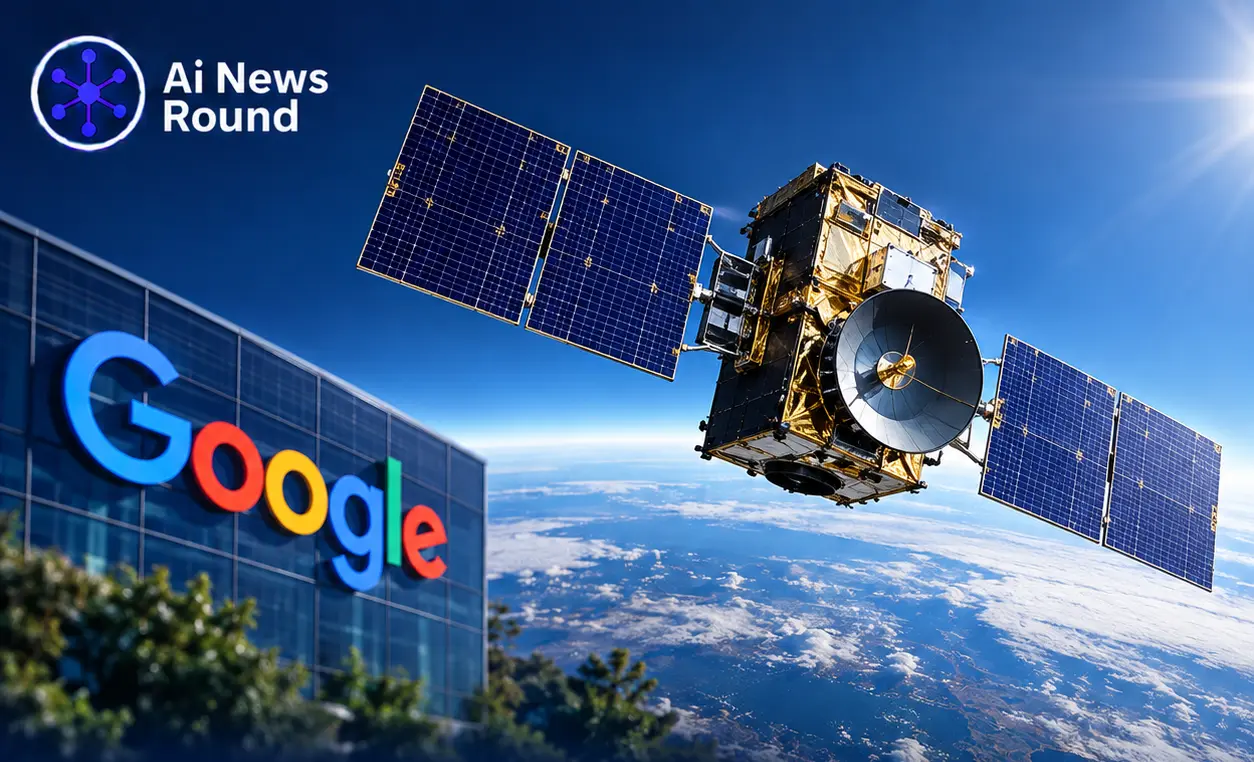
Google is embarking on a new technical initiative in space infrastructure with the launch of its inaugural prototype satellite, named MVP. Operating under the umbrella of Project Suncatcher, this initial orbital test aims to evaluate whether commercial hardware can reliably execute artificial intelligence workloads in low Earth orbit. The MVP satellite is powered by onboard solar panels and carries Google’s proprietary Tensor Processing Unit (TPU) chips, specifically designed to process lightweight Gemini AI queries directly in space.
According to technical analysis released on the Google Blog, low Earth orbit offers continuous access to solar energy, yielding up to eight times more solar power generation than equivalent installations on Earth. This mission represents a foundational step towards determining if orbital environments can eventually host scalable machine learning hardware to bypass terrestrial energy and cooling constraints.
Hardware Qualification and Thermal Management in Vacuum
Operating advanced silicon outside Earth's atmosphere introduces severe physical obstacles. Prior to launch, Google conducted extensive pre-flight testing to verify that its TPUs could withstand intense acceleration forces and radiation exposure. Radiation trials performed at the UC Davis Crocker Nuclear Laboratory confirmed that the custom chips could endure total ionizing radiation doses exceeding requirements for a five-year orbital deployment.
A primary engineering hurdle is maintaining safe operating temperatures. Because a vacuum lacks air to transfer heat away from high-performance processing units, traditional convection cooling is ineffective. To dissipate heat generated by the chips during computation, Google engineered a specialized thermal management system utilizing integrated heat pipes and external radiators.
Future Roadmap and Satellite Constellations
The current MVP launch represents the initial phase of a multi-year research timeline. Google plans to deploy two additional satellites in 2027 to demonstrate high-bandwidth inter-satellite laser communications. Long-term research models envisage larger, tightly clustered satellite formations linked by free-space optical connections, forming decentralized orbital data centers capable of managing distributed machine learning tasks.
As discussed in our broader coverage on AI Models and AI Deployment, hyperscalers are increasingly testing novel physical deployment architectures to support growing compute requirements.